
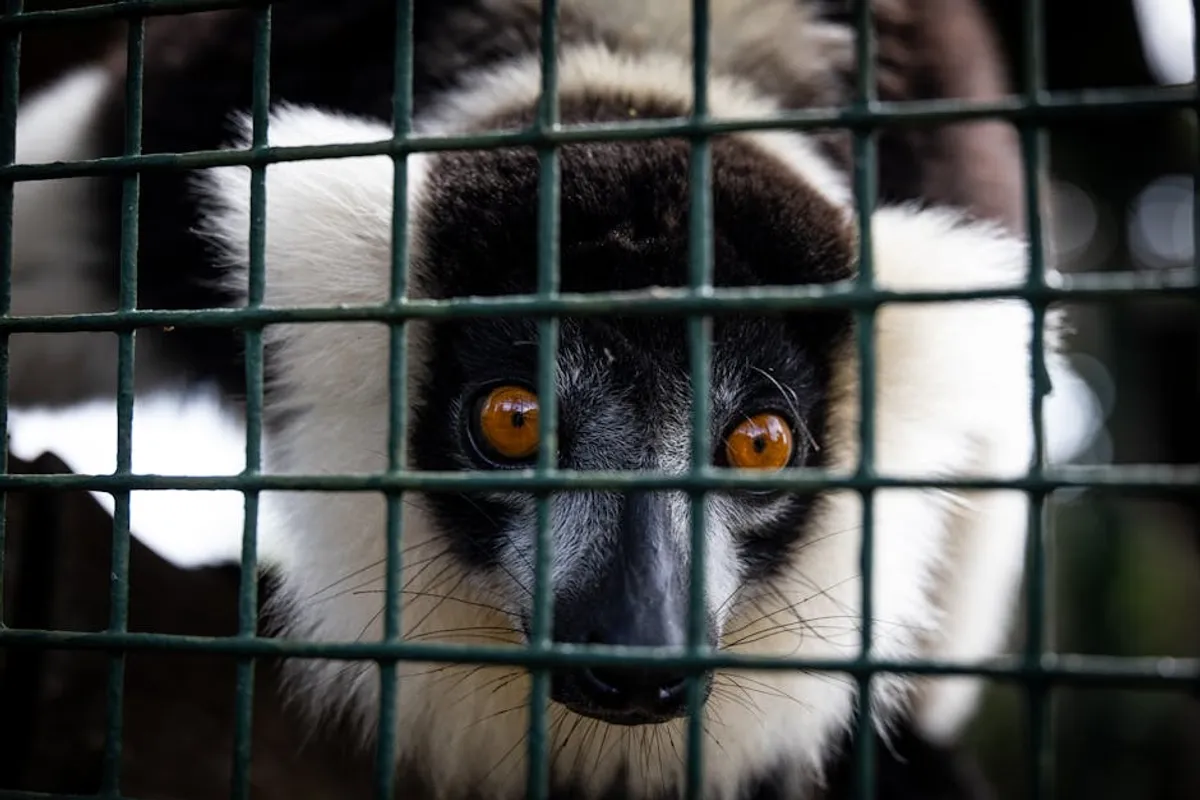
Madagascar offers an unparalleled opportunity for wildlife enthusiasts and educators, presenting an ecosystem almost entirely distinct from the rest of the world. For those planning a journey focused on its unique fauna, understanding the island's biodiversity, ethical viewing practices, and logistical considerations is paramount. This guide provides a framework for experiencing Madagascar's endemic animals, balancing immersive travel with responsible engagement and educational depth.
Madagascar's Evolutionary Isolation and Endemic Wildlife
The island's prolonged isolation, following its separation from the African and Indian landmasses millions of years ago, has fostered an evolutionary trajectory unlike anywhere else. This isolation resulted in an extraordinary concentration of endemic species, meaning they are found nowhere else on Earth. Over 90% of Madagascar's wildlife is endemic, making it a critical hotspot for biodiversity and a prime destination for specialized nature travel.
Key animal groups that define Madagascar's ecological identity include:
- Lemurs: Over 100 species and subspecies, ranging from the tiny mouse lemur to the striking indri and ring-tailed lemur. These primates occupy diverse niches, from rainforest canopies to dry spiny forests.
- Chameleons: Home to roughly half the world's chameleon species, including the smallest known chameleon, Brookesia nana, and the largest, Furcifer oustaleti. Their camouflage and unique adaptations are a major draw.
- Fossa: Madagascar's largest carnivore, a cat-like mammal related to mongooses, adapted to hunt lemurs. Spotting a fossa is a rare and rewarding experience.
- Tenrecs: A diverse group of small, insectivorous mammals, many resembling shrews or hedgehogs, showcasing convergent evolution.
- Frogs and Reptiles: A high degree of endemism among its numerous frog species, geckos, and snakes, often exhibiting vibrant colors and unique behaviors.
Planning Your Wildlife-Focused Expedition
Effective planning is crucial for maximizing animal sightings and ensuring a smooth trip. Madagascar's infrastructure can be challenging, so preparation pays dividends.
Optimal Timing for Animal Sightings
The dry season (May to October) generally offers more comfortable travel conditions and easier wildlife viewing due to less rain and animals congregating around water sources. However, certain species, particularly frogs and some lemurs, are more active during the wet season (November to April), which also coincides with breeding and birthing seasons for many animals. Consider your primary wildlife interests when choosing dates.
Key Biodiversity Hotspots and Parks
Focusing on specific national parks or reserves will yield the best results. Each offers a distinct ecological profile:
- Andasibe-Mantadia National Park: East of Antananarivo, renowned for its indri lemurs and other rainforest species. Easily accessible.
- Ranomafana National Park: A UNESCO World Heritage site in the southeastern rainforests, known for its high biodiversity, including golden bamboo lemurs and various chameleon species.
- Isalo National Park: Southwestern Madagascar, characterized by sandstone massifs, canyons, and dry forests, home to ring-tailed lemurs and sifakas.
- Anja Community Reserve: Near Ambalavao, a successful community-managed reserve famous for its habituated ring-tailed lemurs.
- Kirindy Mitea National Park: Western Madagascar, a blend of dry deciduous forest and coastal ecosystems, offering chances to see fossa and various nocturnal lemurs.
Logistics: Guides, Transportation, and Accommodation
Engaging local, certified guides is essential. Their expertise in tracking animals, understanding local ecology, and navigating terrain is invaluable. Pre-arranged transportation, often 4x4 vehicles, is highly recommended for inter-park travel. Accommodation options range from basic lodges to eco-resorts, with advance booking advisable, especially during peak season.
Pro Tip: Prioritize tour operators and guides who demonstrate a clear commitment to conservation and local community development. Inquire about their ethical guidelines for wildlife viewing and their involvement in local conservation projects. This ensures your travel dollars support sustainable practices directly.
Ethical Wildlife Tourism and Conservation
Responsible tourism is not just a recommendation; it's a necessity for Madagascar's vulnerable ecosystems. Adhere to strict guidelines to minimize impact and support conservation efforts.
Choosing Responsible Operators: Look for companies that employ local guides, contribute to park fees and conservation projects, and educate travelers on ethical conduct. Avoid operators that promise guaranteed sightings through unnatural means (e.g., baiting).
Maintaining Distance: Observe animals from a respectful distance. Never attempt to touch, feed, or startle wildlife. Flash photography should be used sparingly, especially for nocturnal animals.
Waste Management: Carry out all your waste. Support parks and communities that have robust waste management systems.
Supporting Local Communities: Purchase local handicrafts, eat at local restaurants, and engage with community-based tourism initiatives. This provides economic incentives for conservation.
Educational Engagement and Resources
Beyond observation, deepen your understanding of Madagascar's unique natural heritage. Many parks have visitor centers with educational displays. Engage guides with questions about species behavior, ecological roles, and conservation challenges.
Field Guides and Apps: Invest in comprehensive field guides for Madagascar's birds, mammals, and reptiles. Several mobile apps also offer species identification and information, enhancing your learning in the field.
Conservation Projects: Research and potentially visit local conservation projects or NGOs working to protect specific species or habitats. Some offer volunteer opportunities, providing a hands-on educational experience.
Expert Insights: Many guides are highly knowledgeable about local flora and fauna, often having grown up in the areas you visit. Their insights into traditional uses of plants, local folklore, and animal behavior are invaluable educational resources.
Essential Gear for Wildlife Observation
Proper equipment enhances both your comfort and your ability to observe and document wildlife.
- Binoculars: High-quality binoculars (e.g., 8x42 or 10x42) are indispensable for spotting distant animals and observing details.
- Camera Gear: A camera with a telephoto lens (e.g., 300mm or more) is crucial for wildlife photography. Consider a second body or a wide-angle lens for landscapes and general shots.
- Headlamp/Flashlight: Essential for night walks to spot nocturnal lemurs, chameleons, and frogs. Red light filters can minimize disturbance.
- Insect Repellent: High-DEET or picaridin repellents are recommended to ward off mosquitoes and other biting insects.
- Rain Gear: Lightweight, waterproof jacket and pants are advisable, especially in rainforest environments, even during the dry season.
- Sturdy Hiking Shoes: Comfortable, broken-in hiking boots with good ankle support are crucial for navigating varied terrain.
- First-Aid Kit: Personal medications, antiseptic wipes, pain relievers, and blister treatment are important.
Maximizing Your Wildlife Encounter
Patience and flexibility are key. Wildlife viewing is inherently unpredictable. Spend time quietly observing rather than rushing from one sighting to the next. Learn to recognize animal calls and tracks. Engage with your guide on the best approach for specific species, as their local knowledge is unparalleled. Early mornings and late afternoons often yield the most animal activity, so plan your daily excursions accordingly.
Preparing for an Impactful Journey
A journey to observe and learn about Madagascar's animals requires thoughtful preparation and a commitment to responsible travel. By understanding the island's unique biodiversity, planning your itinerary strategically around its key habitats, and adhering to ethical viewing practices, you contribute directly to the conservation of these irreplaceable species. Your engagement, both as a traveler and an learner, plays a role in fostering awareness and supporting the local communities dedicated to protecting Madagascar's natural wonders.
Frequently Asked Questions
What is the best time of year to visit Madagascar for wildlife?
The dry season, from May to October, is generally preferred for comfortable travel and easier sightings, especially for lemurs. However, the wet season (November to April) offers opportunities to see breeding animals, amphibians, and lush vegetation, though some roads may be challenging.
Are solo trips to Madagascar for wildlife viewing recommended?
While possible, traveling with a reputable local tour operator or guide is highly recommended. They provide essential logistical support, local knowledge for animal tracking, and ensure safety in areas with limited infrastructure.
How can I ensure my visit is ethical and supports conservation?
Choose tour operators and accommodations that employ local staff, contribute to national park fees, and have explicit ethical wildlife viewing policies. Avoid any activities that involve touching, feeding, or disturbing animals, and always dispose of waste responsibly.
What vaccinations or health precautions are necessary for Madagascar?
Consult a travel health professional well in advance of your trip. Common recommendations include vaccinations for Hepatitis A and B, Typhoid, and Tetanus. Malaria prophylaxis is usually advised for most regions, and yellow fever vaccination may be required if arriving from an endemic country.