
Learning wildlife photography involves more than just mastering camera settings and composition; it requires a deep commitment to ethical practice. The objective is to capture compelling images without causing stress, altering natural behaviors, or damaging the environment. This means understanding animal welfare, respecting habitats, and adhering to legal guidelines, all while developing the technical and observational skills necessary for impactful photography. Approaching this discipline responsibly ensures the long-term well-being of wildlife and preserves the integrity of the photographic process.
Understanding the Ethical Framework
Responsible wildlife photography begins with a foundational understanding of ethical principles. These principles guide every decision made in the field, from planning a shoot to post-processing images.
Prioritizing Animal Welfare
The paramount concern is always the well-being of the animal. This means avoiding any action that could cause distress, injury, or disruption to their natural routines. For instance, approaching too closely can cause animals to flee, abandon nests, or expend crucial energy. Understanding species-specific flight distances and behavioral cues is critical. A responsible photographer prioritizes the animal's safety over the shot, recognizing that a missed opportunity is preferable to a disturbed animal.
Respecting Habitats and Ecosystems
Wildlife exists within complex ecosystems. Responsible photography extends beyond individual animals to their entire environment. This includes staying on designated trails, avoiding trampling vegetation, and leaving no trace. Disturbing a habitat, even subtly, can have ripple effects, impacting food sources, nesting sites, or water access. Photographers should research the specific environmental sensitivities of their chosen locations and adhere to all local regulations designed to protect these areas.
Legal and Permitting Considerations
Ignorance of the law is not an excuse. Many regions have strict regulations regarding wildlife interaction, protected species, and access to natural areas. These can include:
- Entry permits for national parks or protected reserves.
- Restrictions on flash photography near certain species.
- Prohibitions against baiting, luring, or harassing wildlife.
- Rules regarding drone usage in proximity to animals or sensitive habitats.
- Specific guidelines for photographing endangered or threatened species, often requiring special permits.
Always research and comply with local, national, and international wildlife protection laws before entering the field. Failure to do so can result in fines, confiscation of equipment, or even legal prosecution, in addition to contributing to unethical practices.
Developing Core Photography Skills with a Responsible Lens
Technical proficiency in wildlife photography is intrinsically linked to responsible practice. Skills that enhance your ability to capture images from a distance or without disturbance are invaluable.
Mastering Observation and Patience
Effective wildlife photography relies heavily on observation. Spend significant time watching animals without a camera, learning their routines, behaviors, and preferred habitats. This patience allows you to anticipate movements and capture natural moments without intervention. Understanding an animal's body language can also signal when you are too close or causing stress, prompting you to retreat.
Equipment Choices for Minimal Disturbance
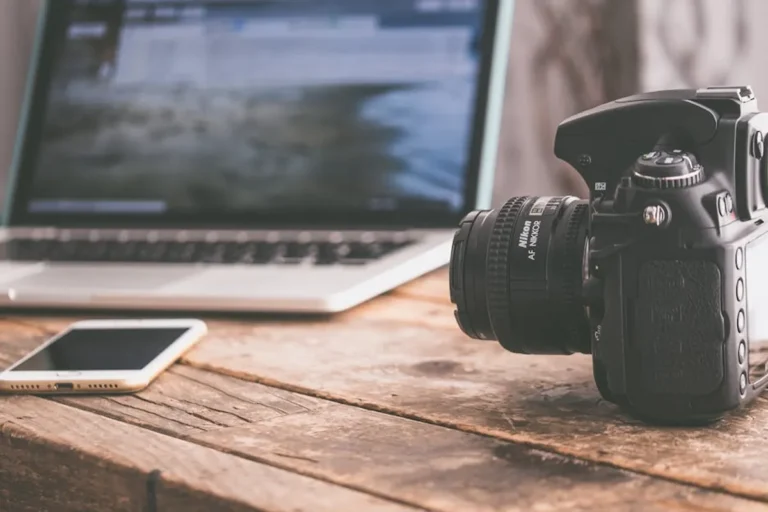
The right gear facilitates responsible practice. Long telephoto lenses (e.g., 400mm, 600mm, or even 800mm) are essential for maintaining a respectful distance while still achieving frame-filling shots. Quiet camera bodies and lenses, or features like silent shooting modes, minimize auditory disturbance. Consider camouflage clothing to blend into the environment, reducing your visual impact on skittish animals.
Best for: Capturing detail from afar without encroaching on an animal's space.
Understanding Natural Light and Behavior Patterns
Successful wildlife images often depend on capturing animals in their natural state under optimal lighting. This involves understanding how light changes throughout the day and how it interacts with different environments. Furthermore, knowing when particular species are most active (e.g., dawn or dusk for many mammals) and how their behavior changes with seasons allows for strategic planning, reducing the need for prolonged presence or repeated attempts that could disturb them.
Learning Through Mentorship and Structured Programs
Formal and informal learning opportunities provide structured pathways to understanding responsible practices.
Identifying Reputable Workshops and Guides
Seek out workshops or tours led by experienced wildlife photographers who explicitly emphasize ethical guidelines. A reputable guide will prioritize animal welfare, adhere to local regulations, and teach techniques for minimal impact. Inquire about their code of conduct, group sizes, and how they manage interactions with wildlife. Avoid operations that promise "guaranteed" close-up encounters, as these often involve unethical practices like baiting or habituation.
The Value of Field Experience
While theoretical knowledge is crucial, practical field experience under guidance is indispensable. This allows for real-time application of ethical principles, problem-solving in dynamic environments, and learning to read animal behavior firsthand. Start with easily accessible and less sensitive wildlife, gradually building your skills and understanding before venturing into more challenging or remote locations.
Practicing Responsible Field Conduct
Your actions in the field directly reflect your commitment to responsible photography.
Maintaining Distance and Avoiding Baiting
Pro Tip: Never bait, call, or lure wildlife for a photograph. This alters natural behaviors, creates dependence on humans, and can expose animals to unnatural risks. Always maintain a respectful distance, using long lenses to bridge the gap. If an animal shows signs of stress—such as increased vigilance, changes in movement, or vocalizations—you are too close and must retreat quietly.
Respecting an animal's personal space is fundamental. Determine appropriate distances based on the species and environment. For instance, a small bird might tolerate a closer approach than a large predator. Never pursue an animal that is actively moving away from you.
Minimizing Your Presence
Beyond distance, minimize your overall impact. Move slowly and quietly. Avoid sudden movements or loud noises. If working in a group, ensure everyone understands and adheres to the same ethical standards. Consider wearing muted clothing that blends with the environment rather than bright colors that can alarm wildlife. Leaving no trace means packing out everything you pack in, including organic waste like fruit peels, which can attract animals and disrupt their diets.
Sharing Your Work Ethically
The responsibility extends to how you present your images. Avoid sharing photos that depict unethical practices, even if you were not the perpetrator. Caption your photos accurately, providing context about responsible practices if relevant. Use your platform to educate others about wildlife conservation and ethical photography, rather than inadvertently promoting harmful behaviors.
Applying Responsible Principles
Responsible wildlife photography is an ongoing commitment. It means continually educating yourself, refining your techniques, and always prioritizing the welfare of the subjects and their habitats. This approach not only protects wildlife but also results in more authentic, powerful, and ethically sound images that genuinely reflect the natural world.
Frequently Asked Questions
What is the most important rule in responsible wildlife photography?
The most important rule is to prioritize the welfare of the animal and its habitat above any photographic opportunity. This means avoiding disturbance, maintaining distance, and never altering natural behaviors for a shot.
How can I learn animal behavior without disturbing them?
Dedicate time to pure observation without a camera. Use binoculars or spotting scopes to watch animals from a distance. Study field guides and scientific literature specific to the species you wish to photograph to understand their routines, social structures, and communication signals.
Are there specific certifications for responsible wildlife photography?
While no single universal certification exists, many reputable conservation organizations and photography associations offer workshops, courses, and codes of conduct that emphasize ethical practices. Participating in these programs and adhering to their guidelines can demonstrate a commitment to responsible photography.
What equipment helps minimize disturbance?
Key equipment includes long telephoto lenses (400mm+), quiet camera bodies or silent shooting modes, sturdy tripods for stability with long lenses, and camouflage clothing to blend into the environment. Binoculars are also essential for initial observation and identifying subjects from a safe distance.