
Embarking on a journey into wildlife photography demands more than just advanced camera equipment; it requires strategic planning, a commitment to ethical practice, and a continuous pursuit of knowledge. This guide outlines the critical components for photographers looking to combine travel with dedicated wildlife education, focusing on how to maximize both artistic output and commercial viability. Understanding the interplay between location scouting, gear selection, learning opportunities, and market positioning is essential for transforming a passion into a sustainable endeavor. For those new to the craft, consider consulting a beginner's guide to wildlife photography to establish a strong foundation before embarking on extensive travel.
Planning Your Wildlife Photography Expedition
Effective planning forms the bedrock of any successful wildlife photography trip. It dictates not only the quality of your images but also the safety and impact of your presence in natural habitats.
Researching Destinations and Species
Selecting the right destination involves more than just picturesque landscapes. It requires in-depth research into specific species, their behavioral patterns, migration routes, and peak activity times. A photographer aiming to capture elusive nocturnal predators will require different logistical considerations than one documenting migratory bird patterns. Consider the seasonal variations that affect animal visibility, habitat conditions, and even local regulations. Consulting scientific journals, local conservation groups, and experienced wildlife guides can provide invaluable insights often missed by general travel brochures. This specificity in research directly impacts your ability to secure unique, commercially valuable shots. Researching these elements thoroughly ensures not only successful wildlife encounters but also supports sustainable eco tourism practices that protect these environments for the future.
Essential Gear Considerations
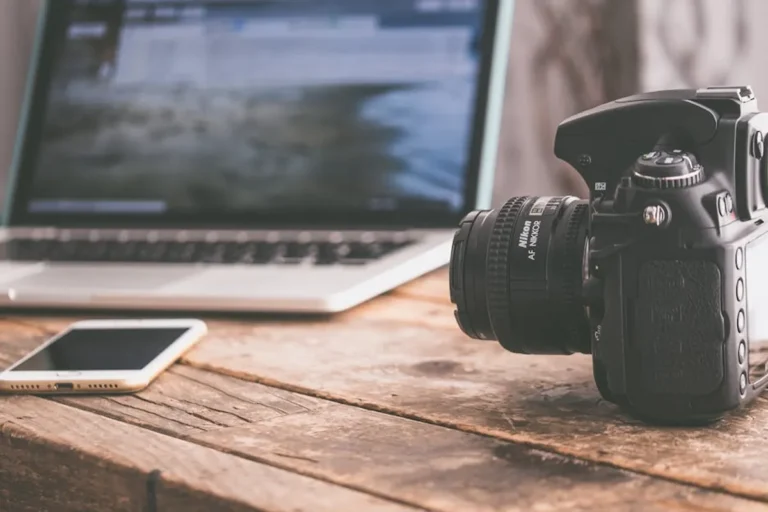
Your equipment choices must align with your target species, environment, and photographic goals. While a long telephoto lens is standard for distant subjects, a macro lens becomes indispensable for detailed insect or amphibian shots. Weather-sealed bodies and lenses are critical for unpredictable environments, protecting against dust, moisture, and extreme temperatures. Beyond cameras and lenses, consider robust tripods for stability in low light, external battery packs for extended shoots, and ample storage cards. Satellite communication devices and first-aid kits are non-negotiable for remote locations. Each gear decision should be weighed against its practical utility in the field, not just its technical specifications on paper.
Ethical Wildlife Photography Practices
Responsible wildlife photography prioritizes the welfare of animals and their habitats above all else. This means maintaining respectful distances to avoid disturbing natural behaviors, never baiting animals for a shot, and understanding local park rules regarding off-trail access or flash photography. Learn to read animal body language to recognize signs of stress or discomfort, and retreat if necessary. Participating in tours led by certified naturalists or guides who adhere to strict ethical codes is crucial. These practices not only protect wildlife but also enhance your reputation within the photography community, which can be a significant commercial asset.
Pro Tip: Before any trip, thoroughly review the local wildlife protection laws and guidelines for your chosen destination. Many regions have specific regulations regarding drone usage, flash photography, or approach distances that, if violated, can result in significant fines or equipment confiscation, and harm local conservation efforts.
Integrating Education into Your Travel
Beyond simply taking pictures, an educational approach deepens your understanding of ecosystems and enhances your photographic narrative. This integration offers a competitive edge and richer personal experience.
Workshops and Guided Tours
Specialized photography workshops and guided tours offer structured learning environments. These often provide access to experienced mentors who can offer real-time feedback on composition, lighting, and camera settings in challenging field conditions. Many tours are led by biologists or conservationists, providing ecological context that elevates your images beyond mere documentation. The benefit extends to networking with peers and potential collaborators, which can lead to future assignments or shared projects. Evaluate workshops based on instructor expertise, group size, and specific learning outcomes, rather than just destination appeal.
Self-Directed Learning and Field Study
For those preferring independent exploration, self-directed learning is equally vital. This includes pre-trip study of animal behavior, plant identification, and local geology. In the field, dedicate time to observation without the camera, allowing you to anticipate animal movements and understand their environment. Keep a detailed field journal documenting observations, weather conditions, and photographic settings. This analytical approach refines your instincts, making you a more efficient and insightful photographer. Post-trip, analyze your images critically, identifying areas for improvement in technique or narrative.
Post-Trip Educational Opportunities
The learning doesn't end when you return home. Engaging in post-production workshops to refine editing skills, attending online seminars on advanced techniques, or participating in photo critiques can significantly improve your craft. Analyzing your own work and that of others helps develop a discerning eye. Consider contributing your images to scientific studies or conservation awareness campaigns. This not only provides a valuable service but also establishes your credentials as a photographer committed to educational and conservation outcomes, enhancing your professional profile.
Commercial Aspects and Portfolio Development
For many, wildlife photography is not just a hobby but a potential source of income. Developing a commercial strategy is crucial for turning passion into profession.
Building a Niche Portfolio
A strong portfolio is your primary marketing tool. Instead of a broad collection, focus on developing specialized niches. This could be specific species (e.g., big cats, arctic birds), behaviors (e.g., hunting, migration), or ecosystems (e.g., rainforests, deserts). A niche portfolio demonstrates expertise and attracts clients seeking specific imagery. Ensure your portfolio showcases technical mastery, compelling storytelling, and a consistent aesthetic. Regularly update it with your strongest, most unique work, and include metadata for discoverability.
Licensing and Selling Wildlife Images
Understanding image licensing is fundamental for commercial success. Different licenses (e.g., royalty-free, rights-managed, editorial, commercial) dictate how your images can be used and for how long. Stock photography agencies provide a platform for broad distribution, though often with lower per-image returns. Direct sales to publications, conservation organizations, or private collectors typically yield higher revenue. Consider offering limited edition prints, which can command premium prices based on quality and exclusivity. Protect your work with watermarks and copyright registration.
Networking and Collaboration
Building relationships within the industry is as important as technical skill. Attend photography conferences, join professional associations, and engage with other photographers and editors online. Collaborating with writers, filmmakers, or conservation scientists can open new avenues for projects and exposure. Offer your expertise to non-profits for their campaigns, which can build your reputation and provide valuable experience. A strong professional network can lead to commissions, features, and mentorship opportunities that accelerate your career.
Practical Steps for Aspiring Wildlife Photographers
To effectively combine travel, education, and commercial aspirations in wildlife photography, consider these actionable steps:
- Define Your Focus: Choose a specific animal, region, or photographic style to specialize in. This sharpens your learning and marketing efforts.
- Invest in Education: Enroll in a specialized wildlife photography workshop or an online course focused on animal behavior and ecology.
- Practice Locally: Hone your technical skills and understanding of animal subjects in local parks or nature reserves before embarking on expensive international trips.
- Build a Digital Presence: Create a professional website and actively use social media to showcase your work and connect with potential clients and collaborators.
- Prioritize Ethics: Always put the welfare of wildlife first. Your reputation as an ethical photographer is a long-term professional asset.
- Learn Post-Processing: Master editing software to enhance your images and maintain a consistent visual style, crucial for a professional portfolio.
- Understand Copyright: Familiarize yourself with copyright laws and licensing models to protect your work and monetize it effectively.
Frequently Asked Questions
What is the most crucial skill for a wildlife photographer?
Beyond technical camera skills, patience and an in-depth understanding of animal behavior are paramount. Anticipating movements and knowing when to wait for the decisive moment often yields the most compelling images.
How can I make my wildlife photography commercially viable?
Focus on building a niche portfolio, mastering image licensing, actively marketing your work through a professional website, and networking with editors, publishers, and conservation organizations.
Is specialized gear absolutely necessary for beginners?
While professional-grade gear offers advantages, beginners can start with entry-level DSLRs or mirrorless cameras with a versatile telephoto zoom lens. The emphasis should be on learning composition and light before investing heavily.
What are common ethical mistakes to avoid in wildlife photography?
Never disturb animals for a shot, avoid using bait, do not trespass on private or protected land, and always maintain a respectful distance. Prioritize the animal's well-being over a photograph.