
Madagascar’s unique biodiversity presents an unparalleled opportunity for publishers seeking to engage curious readers with compelling, information-rich content. The island, detached from mainland Africa for millions of years, has fostered an evolutionary crucible, yielding species found nowhere else on Earth. For content creators, this translates into a rich vein of distinctive topics that naturally attract attention, drive organic search traffic, and cultivate a highly engaged audience. Understanding the specific, often bizarre, characteristics of these endemic animals is key to crafting narratives that resonate, establishing authority, and capturing the imagination of those eager to explore the planet's most extraordinary wildlife.
What Makes Madagascar's Wildlife Facts Intriguing?
When compiling facts about Madagascar's animals, focus on elements that highlight their evolutionary isolation and unique adaptations. Readers are drawn to the extraordinary, the bizarre, and the visually striking. Prioritize details that showcase:
- Endemism: Emphasize that a species is found exclusively in Madagascar, underscoring its rarity and global significance.
- Unusual Adaptations: Highlight features or behaviors that are distinct, such as specialized feeding habits, camouflage techniques, or reproductive strategies. These are often direct results of their isolated evolution.
- Conservation Status: Integrate information about threats and conservation efforts. This adds depth and often elicits an emotional response, encouraging further engagement and sharing.
- Scientific Discoveries: Mention recent findings or ongoing research, positioning the content as current and authoritative.
- Visual Appeal: Describe animals with striking appearances, vibrant colors, or unique physical structures that lend themselves well to imagery and visual storytelling.
By focusing on these aspects, content becomes more than just a list of attributes; it becomes a window into a truly alien ecosystem, offering concrete value to readers seeking genuine discovery.
1. Ring-tailed Lemur
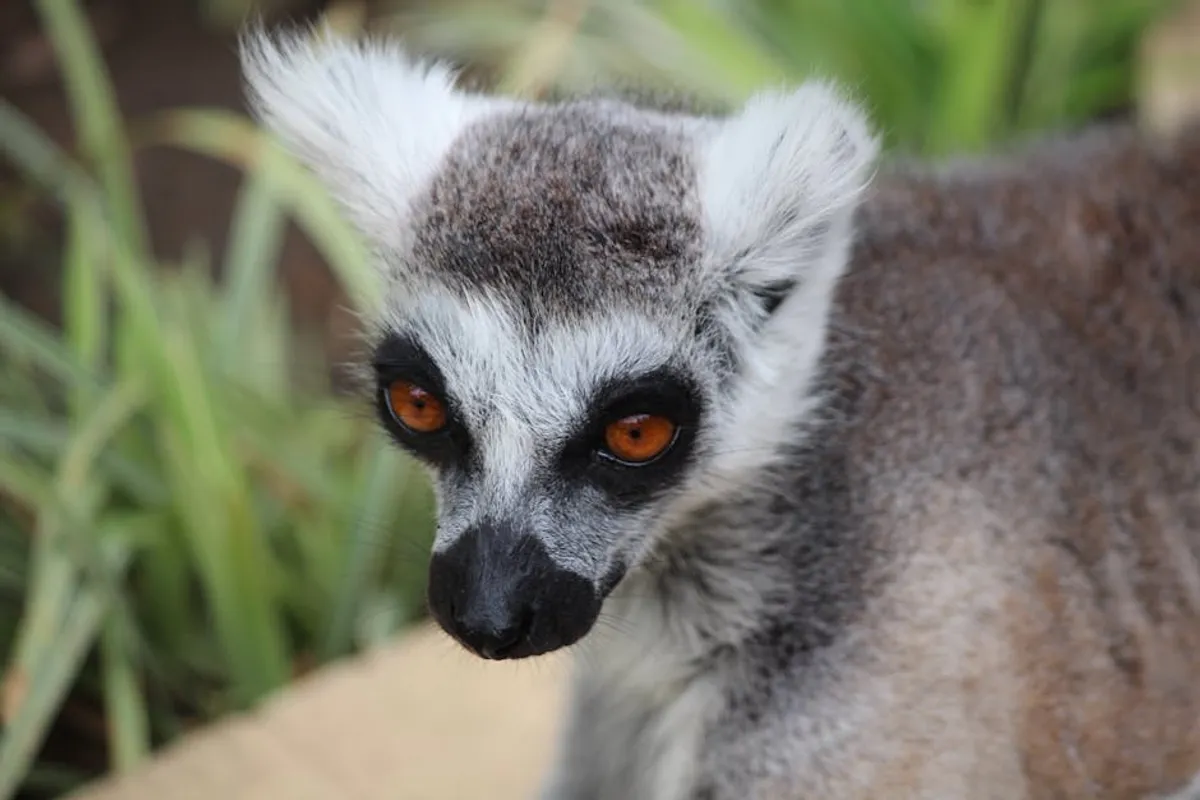
The Ring-tailed Lemur is arguably Madagascar’s most recognizable mammal, famous for its distinctive black-and-white banded tail. These diurnal primates are highly social, living in groups called troops, often numbering up to 30 individuals. They are primarily terrestrial, spending a significant portion of their day foraging on the ground, a behavior less common among other lemur species. Their social structure is matriarchal, with females dominating males, influencing group movements and feeding. They communicate through a complex repertoire of vocalizations and scent marking, using glands on their wrists and chests.
Known For: Its long, bushy, ringed tail, used for balance and communication, and its sun-bathing posture.
Key Facts: Ring-tailed lemurs practice "sun-worshipping," sitting upright with arms outstretched to absorb warmth. Their diet is omnivorous, consisting mainly of fruits, leaves, flowers, and occasionally insects. They are highly adaptable, inhabiting dry deciduous forests, spiny thickets, and gallery forests.
Conservation Status: Endangered. Primary threats include habitat loss due to deforestation for agriculture, charcoal production, and logging, as well as hunting for bushmeat and the illegal pet trade.
Why It Captivates: The Ring-tailed Lemur's charismatic appearance, complex social behavior, and unique sun-bathing ritual make it a compelling subject, offering rich narrative possibilities for engaging audiences interested in primate behavior and conservation.
2. Indri
The Indri is Madagascar’s largest living lemur, renowned for its striking black and white fur and its haunting, whale-like song that echoes through the rainforests. Unlike most lemurs, the Indri has a vestigial tail, appearing almost tailless. They are arboreal, spending nearly all their lives in the trees, moving through the canopy with powerful leaps. Indri live in small family groups, typically consisting of a monogamous pair and their offspring. Their vocalizations, which can be heard for miles, are thought to play a role in territorial defense and group cohesion.
Known For: Its large size, nearly tailless appearance, and distinctive, mournful song.
Key Facts: Indris are specialized folivores, primarily eating leaves, supplemented with fruits and flowers. They have a unique digestive system that allows them to process tough plant matter. Their songs are individually distinct and can last for several minutes, often performed in duets by the breeding pair.
Conservation Status: Critically Endangered. Habitat destruction through slash-and-burn agriculture, logging, and charcoal production is the main threat. They are also occasionally hunted despite traditional taboos (fady) in some areas.
Why It Captivates: The Indri's ethereal calls and impressive size offer a sense of mystery and grandeur, making it a powerful symbol of Madagascar's vanishing rainforests and a compelling subject for discussions on acoustic ecology and primate conservation.
3. Aye-aye
The Aye-aye is arguably the most unusual and specialized lemur, often described as a "living fossil" due to its unique evolutionary path. It possesses several highly modified features, including continuously growing incisors, large ears, and a distinctive elongated middle finger. This nocturnal primate uses its specialized finger to tap on trees, listening for the hollow sounds of insect larvae, then gnaws a hole and extracts the grubs. This foraging technique, known as percussive foraging, is unique among primates and fills a niche similar to that of a woodpecker.
Known For: Its bizarre appearance, large ears, rodent-like teeth, and elongated middle finger used for tapping and extracting insects.
Key Facts: The Aye-aye's incisors grow continuously like a rodent's, allowing it to gnaw through tough wood. Its large, independently movable ears help it pinpoint the exact location of larvae. They are solitary and highly elusive, making them difficult to study in the wild.
Conservation Status: Endangered. Threats include habitat loss and persecution by local people who sometimes view them as omens of evil, leading to their killing. Their unusual appearance often makes them a target.
Why It Captivates: The Aye-aye’s extreme specialization and unusual appearance make it an endlessly fascinating subject, perfect for content exploring unique evolutionary adaptations, ecological niches, and the challenges of conserving misunderstood species.
4. Fossa
The Fossa is Madagascar's largest mammalian predator and its apex carnivore. Resembling a cross between a cat and a mongoose, it is a member of the Eupleridae family, an endemic group of Malagasy carnivores. Fossas are incredibly agile, equipped with semi-retractable claws and flexible ankles, allowing them to climb trees headfirst and navigate the canopy with ease. They are primarily solitary and nocturnal hunters, preying on lemurs, birds, reptiles, and other small animals. Their elusive nature and powerful build make them a formidable presence in the Malagasy ecosystem.
Known For: Being Madagascar’s top predator, its cat-like appearance, and exceptional arboreal agility.
Key Facts: Fossas can rotate their ankles 180 degrees, enabling them to descend trees headfirst. They mark their territories with scent glands. During mating season, females may occupy a specific tree for several days, attracting multiple males in a unique "mating tree" phenomenon.
Conservation Status: Vulnerable. Habitat loss and fragmentation are significant threats, as are hunting by local people who perceive them as a threat to livestock or hunt them for bushmeat. Road mortality also contributes to population decline.
Why It Captivates: The Fossa's role as an apex predator, its unique evolutionary lineage, and its remarkable agility provide compelling content for audiences interested in predator-prey dynamics, convergent evolution, and the ecological balance of isolated ecosystems.
5. Panther Chameleon
The Panther Chameleon is one of Madagascar's most visually stunning reptiles, renowned for its vibrant coloration and rapid color-changing abilities. Males are particularly spectacular, displaying a dazzling array of patterns and hues, which vary significantly depending on their geographical location (known as locales). These chameleons are arboreal, spending their lives in trees and shrubs, employing their independently moving eyes to scan for prey and their projectile tongues to capture insects. Their color changes are primarily for communication, territorial displays, and camouflage, rather than solely matching their background.
Known For: Its brilliant, diverse color patterns and independent eye movement.
Key Facts: Males use their intense colors to signal dominance and attract mates, with specific patterns indicating different locales. Their tongues can extend up to twice their body length in milliseconds. They have zygodactylous feet, with toes fused into opposing groups, providing a strong grip on branches.
Conservation Status: Least Concern, but local populations can be affected by habitat degradation and illegal collection for the pet trade. Export quotas are in place to manage trade.
Why It Captivates: The Panther Chameleon's incredible visual diversity and unique biological mechanisms for color change and hunting offer endless opportunities for engaging content on animal communication, evolutionary biology, and the sheer beauty of the natural world.
6. Leaf-tailed Gecko (Uroplatus)
Madagascar is home to several species of Leaf-tailed Geckos (genus Uroplatus), masters of camouflage that are almost indistinguishable from their surroundings. These nocturnal reptiles possess flattened bodies, leaf-like tails, and dermal fringes along their bodies that break up their outline, allowing them to blend seamlessly with bark, dead leaves, or moss. They spend their days pressed against branches or tree trunks, becoming virtually invisible. At night, they emerge to hunt insects and other invertebrates.
Known For: Unrivaled camouflage, resembling dead leaves, bark, or moss.
Key Facts: Their tails are often flattened and notched to mimic decaying leaves, while their bodies are covered in intricate patterns and textures that match tree bark. Some species can even change their skin texture to appear rougher or smoother. They have large, lidless eyes adapted for night vision.
Conservation Status: Varies by species, with many listed as Vulnerable or Endangered due to habitat loss and illegal collection for the pet trade. Their exceptional camouflage makes them highly sought after.
Why It Captivates: The Leaf-tailed Gecko exemplifies extreme evolutionary adaptation for survival, making it a compelling subject for content on mimicry, camouflage, and the intricate relationship between species and their environment.
7. Lowland Streaked Tenrec
The Lowland Streaked Tenrec is a small, spiny mammal endemic to the rainforests of eastern Madagascar. It is one of the few mammals known to use stridulation (rubbing body parts together) to communicate, rubbing specialized quills on its back to produce a high-pitched sound. These social tenrecs live in family groups, foraging for insects, worms, and fruit in the leaf litter. Their bright yellow and black stripes serve as a warning to predators, complemented by their ability to erect their spines when threatened.
Known For: Its striking yellow and black stripes, spiny coat, and unique stridulation communication.
Key Facts: They are one of the few mammals that can echolocate, though not as sophisticatedly as bats, using it to navigate in the dark. Tenrecs are also known for their relatively long lifespans for their size and their ability to enter torpor during periods of food scarcity.
Conservation Status: Least Concern, but local populations are impacted by habitat loss and fragmentation from deforestation.
Why It Captivates: The Lowland Streaked Tenrec offers a fascinating glimpse into convergent evolution, exhibiting traits reminiscent of hedgehogs, shrews, and even otters, while possessing unique communication methods that captivate audiences interested in mammalian diversity and sensory biology.
8. Giraffe Weevil
The Giraffe Weevil (Trachelophorus giraffa) is an insect endemic to Madagascar, instantly recognizable by the extraordinarily long neck of the male. This elongated prothorax, which can be up to 2-3 times the length of the rest of its body, is used primarily in combat with other males for access to females and in the construction of leaf-rolls for egg-laying. The females, while also having an extended neck, are proportionally much shorter. These weevils are typically black with bright red wing covers, making them visually striking against the green foliage.
Known For: The male's exceptionally long neck, used for fighting and nest building.
Key Facts: Females use their shorter necks to roll leaves into a cylindrical package, where they lay a single egg. The male's neck length is a key indicator of its fitness and success in mating. They are herbivorous, feeding on specific tree leaves.
Conservation Status: Not evaluated by IUCN, but generally considered common within its specific forest habitats.
Why It Captivates: The Giraffe Weevil's extreme sexual dimorphism and the functional purpose of the male's exaggerated neck provide captivating content for audiences interested in insect morphology, sexual selection, and the diverse strategies of reproduction in the natural world.
9. Tomato Frog
The Tomato Frog (Dyscophus antongilii) is a large, brightly colored frog native to the rainforests and swamps of northeastern Madagascar. Females are typically a brilliant orange-red, resembling a ripe tomato, while males are duller, often orange-brown. This vibrant coloration serves as a warning to predators, indicating its toxicity. When threatened, the frog inflates its body to appear larger and secretes a sticky, white, toxic substance from its skin that can deter predators and cause allergic reactions in humans.
Known For: Its bright, tomato-red coloration and defensive toxic secretions.
Key Facts: The sticky secretion can glue a predator's mouth shut, and it contains compounds that can cause numbness and irritation. They are nocturnal, spending their days buried in the leaf litter. Their diet consists of insects and small invertebrates.
Conservation Status: Near Threatened. Habitat loss, particularly the draining of swamps for agriculture and urban development, is a primary threat. Illegal collection for the pet trade also impacts populations.
Why It Captivates: The Tomato Frog's striking appearance and unique chemical defense mechanism make it an engaging subject for content on aposematism (warning coloration), amphibian biology, and the diverse strategies animals employ for survival.
10. Brookesia micra (Dwarf Chameleon)
Brookesia micra is one of the smallest chameleons in the world, endemic to the small island of Nosy Hara off the coast of Madagascar. At just over an inch long, it is barely larger than a matchstick head, making it a truly miniature reptile. Its diminutive size and cryptic coloration allow it to blend seamlessly with the leaf litter and twigs on the forest floor, where it hunts tiny insects and mites. This species highlights the extreme examples of insular dwarfism found in Madagascar's isolated ecosystems.
Known For: Being among the smallest chameleons and reptiles globally.
Key Facts: Its tail is not prehensile like larger chameleons, but it uses it for balance. They are primarily active during the day, foraging in the leaf litter. Their small size makes them particularly vulnerable to environmental changes and habitat disturbance.
Conservation Status: Critically Endangered. Its extremely limited range on a small island makes it highly susceptible to habitat degradation and climate change impacts.
Why It Captivates: The Brookesia micra's extreme miniaturization offers a fascinating case study in evolutionary biology, insular dwarfism, and the vulnerability of micro-endemic species, appealing to audiences interested in biodiversity extremes and conservation challenges.
11. Verreaux's Sifaka
Verreaux's Sifaka is an iconic lemur species found in the dry spiny forests and deciduous forests of southwestern Madagascar. These medium-sized primates are famous for their unique mode of locomotion: vertical clinging and leaping through the trees, and a distinctive sideways "dance" when moving across open ground. Their creamy white fur, often with dark patches on the head and limbs, makes them visually striking. They live in social groups, feeding primarily on leaves, fruits, and flowers.
Known For: Its "dancing" locomotion on the ground and impressive arboreal leaps.
Key Facts: Sifakas can leap more than 30 feet between trees. Their "dance" is an adaptation to move quickly across open, hot ground, balancing on two legs while holding their arms out. They have a specialized digestive system to handle a high-fiber diet.
Conservation Status: Endangered. Major threats include habitat destruction and fragmentation, particularly from charcoal production and cattle grazing, as well as hunting in some areas.
Why It Captivates: The Verreaux's Sifaka's elegant appearance, distinctive movements, and complex social structure make it a highly engaging subject for content focused on primate behavior, unique adaptations, and the challenges of conserving forest ecosystems.
12. Malagasy Civet
The Malagasy Civet (Fossa fossana, not to be confused with the Fossa) is a small, cat-like carnivore endemic to the eastern and northern rainforests of Madagascar. Also known as the Striped Civet or Fanalo, it is a member of the same endemic family (Eupleridae) as the Fossa. It is nocturnal and primarily terrestrial, foraging for small vertebrates, insects, and fruits in the forest undergrowth. Its coat is typically grey-brown with dark stripes and spots, providing camouflage in its forest habitat.
Known For: Being a small, cat-like endemic carnivore, often mistaken for a mongoose or genet.
Key Facts: Malagasy Civets are monogamous, forming long-term pair bonds. They are relatively quiet animals, communicating primarily through scent marking. Despite their name, they are not true civets but are more closely related to mongooses. They are important seed dispersers in their ecosystem.
Conservation Status: Vulnerable. Habitat loss and fragmentation due to deforestation are the main threats. They are also occasionally hunted for bushmeat and trapped incidentally.
Why It Captivates: The Malagasy Civet offers insights into the unique evolutionary radiation of carnivores on Madagascar, providing content opportunities for discussions on endemic families, ecological roles, and the often-overlooked smaller predators of isolated ecosystems.
Understanding Conservation Efforts and Engagement
For publishers, presenting facts about Madagascar's animals is not just about conveying information; it's about fostering engagement and potentially inspiring action. Content that effectively highlights the uniqueness and vulnerability of these species can drive significant reader interest. Success can be measured not only by page views and time on page but also by social shares, comments, and conversion rates to related content (e.g., articles on conservation organizations, eco-tourism opportunities, or deeper dives into specific species). By consistently offering well-rese