
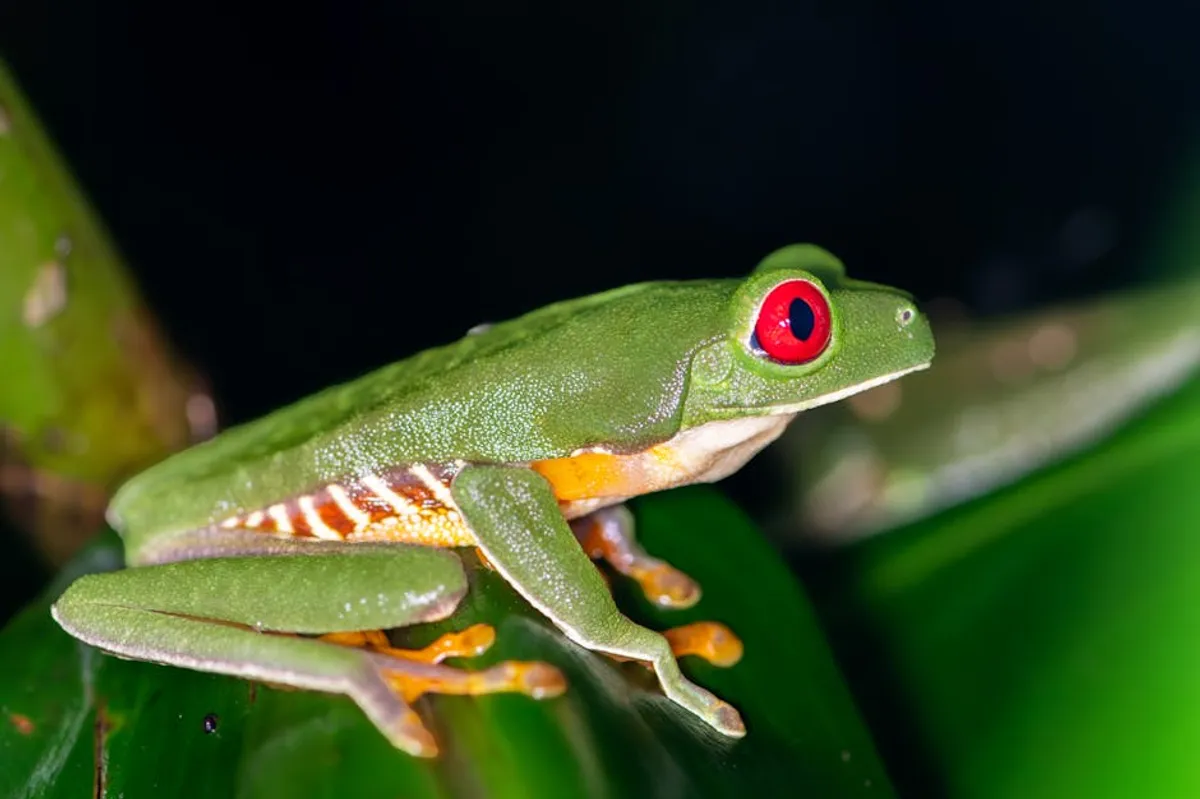
Rainforests, vibrant and complex ecosystems, harbor an unparalleled diversity of life. These biomes, covering less than 6% of the Earth's land surface, are home to over half of the world's plant and animal species. For the curious reader, understanding the unique adaptations and ecological roles of these inhabitants offers a profound glimpse into natural selection and the delicate balance of life. This curated collection of facts aims to illuminate the extraordinary characteristics of some of the rainforest's most iconic and intriguing creatures, moving beyond common knowledge to reveal specific behaviors, physiological marvels, and the critical challenges they face.
How We Selected These Fascinating Facts
Our selection process focused on presenting a diverse array of rainforest animals, emphasizing unique adaptations, ecological significance, and behaviors that often surprise. We prioritized facts that offer specific, verifiable details rather than broad generalizations. Criteria included:
- Distinctive Adaptations: Animals showcasing specialized features for survival in the rainforest environment, such as camouflage, unique diets, or unusual reproductive strategies.
- Ecological Impact: Species that play critical roles in their ecosystem, whether as keystone species, pollinators, or seed dispersers.
- Behavioral Intrigue: Animals exhibiting complex social structures, fascinating hunting techniques, or unusual communication methods.
- Conservation Relevance: Highlighting species that are particularly vulnerable or represent broader conservation challenges within rainforests.
This approach ensures each entry provides not just a fact, but context that deepens appreciation for these remarkable creatures.
1. Jaguar
The jaguar (Panthera onca) stands as the apex predator of the Neotropical rainforests, a powerful and elusive feline whose presence signals a healthy ecosystem. Unlike many other big cats, jaguars are proficient swimmers and climbers, capabilities essential for navigating their diverse habitats, which range from dense jungle to wetlands. Their robust build and exceptionally strong jaws allow them to take down large prey, including caimans and anacondas, demonstrating their adaptability and dominance within their territory.
Highlights: Best for understanding a keystone predator's role in maintaining ecosystem balance.
Key Facts:
- Jaguars possess the strongest bite force relative to their size among all big cats, capable of piercing turtle shells.
- Their distinctive rosette patterns are unique to each individual, akin to human fingerprints.
- They are primarily solitary hunters, marking vast territories with scent and claw marks.
Conservation & Challenges: Listed as Near Threatened. Primary threats include habitat loss and fragmentation due to deforestation for agriculture and ranching, as well as illegal poaching for their skins and body parts.
Verdict: The jaguar exemplifies the raw power and ecological importance of a top predator, whose survival is intrinsically linked to the health of the entire rainforest biome.
2. Sloth
Sloths are perhaps the most iconic symbols of slow-paced rainforest life, renowned for their deliberate movements and arboreal existence. There are two main types: two-toed and three-toed sloths, each with distinct features. Their slow metabolism and specialized diet of leaves, which offer minimal nutritional value, dictate their unhurried lifestyle. This deliberate pace, however, is a sophisticated adaptation to conserve energy in a nutrient-poor environment, making them uniquely suited to their canopy homes.
Highlights: Best for observing extreme metabolic adaptation and energy conservation strategies.
Key Facts:
- Sloths move so slowly that algae often grows on their fur, providing camouflage and sometimes serving as a supplemental food source.
- They descend from trees only about once a week to defecate, a vulnerable journey that expends significant energy.
- Their fur harbors a unique ecosystem of moths, beetles, fungi, and bacteria, some of which are being studied for potential medical benefits.
Conservation & Challenges: Various species range from Least Concern to Critically Endangered. Habitat destruction and fragmentation are major threats, particularly for species with restricted ranges. Road accidents and dog attacks are also significant dangers when they descend to the ground.
Verdict: Sloths represent a masterclass in energy efficiency and niche specialization, showcasing how a seemingly 'slow' approach can be a highly successful evolutionary strategy.
3. Poison Dart Frog
Poison dart frogs, found in Central and South American rainforests, are small, vibrantly colored amphibians that advertise their toxicity to potential predators. Their skin secretes potent neurotoxins, making them one of the most poisonous creatures on Earth. The intensity of their toxicity varies by species and is directly linked to their diet of ants, termites, and other arthropods, which contain specific alkaloids. Captive-bred frogs fed a different diet often lose their toxicity.
Highlights: Best for understanding aposematism (warning coloration) and diet-dependent toxicity.
Key Facts:
- The golden poison dart frog (Phyllobates terribilis) is considered the most poisonous vertebrate, with enough toxin to kill 10-20 humans.
- Indigenous tribes have historically used the frog's toxins to tip their blowgun darts for hunting.
- Parental care is highly developed, with some species carrying tadpoles on their backs to small pools of water, often in bromeliads.
Conservation & Challenges: Many species are endangered due to habitat loss, pollution, and the chytrid fungus, a deadly amphibian disease. Illegal pet trade also poses a threat to certain species.
Verdict: Poison dart frogs are a striking example of evolutionary defense mechanisms, where beauty masks a potent danger, highlighting the intricate web of chemical ecology in the rainforest.
4. Hyacinth Macaw
The hyacinth macaw (Anodorhynchus hyacinthinus) is the largest flying parrot species, native to central and eastern South America. Its striking cobalt-blue plumage and bright yellow eye-rings and chin patches make it unmistakable. These highly social birds form strong pair bonds and often fly in noisy flocks. Their specialized diet primarily consists of the hard nuts of certain palm trees, which they crack open with their incredibly powerful beaks, demonstrating a remarkable adaptation for a specific food source.
Highlights: Best for appreciating specialized dietary adaptations and the role of large avian species in seed dispersal.
Key Facts:
- Their beaks are strong enough to crack open coconuts and Brazil nuts, allowing them access to nutrient-rich food unavailable to many other animals.
- They can live for over 50 years in the wild.
- Hyacinth macaws often nest in hollows of manduvi trees, which must be large enough to accommodate their considerable size.
Conservation & Challenges: Listed as Vulnerable. Major threats include habitat loss due to cattle ranching and hydroelectric projects, as well as the illegal pet trade, which historically decimated populations.
Verdict: The hyacinth macaw's specialized feeding habits and vibrant presence underscore the intricate co-evolution between rainforest flora and fauna, making it a critical component of its ecosystem's health.
5. Orangutan
Orangutans, meaning "person of the forest" in Malay, are the only great apes native to Asia, found exclusively in the rainforests of Borneo and Sumatra. These largely arboreal creatures spend most of their lives in trees, moving deliberately through the canopy using their long, powerful arms. They are primarily frugivores, playing a crucial role in seed dispersal, which is vital for rainforest regeneration. Their intelligence and complex social structures, particularly among mothers and their offspring, are subjects of extensive study.
Highlights: Best for understanding the adaptations of large arboreal mammals and their critical role as seed dispersers.
Key Facts:
- Orangutans build elaborate nests each night from branches and leaves, often with a roof to protect against rain.
- Adult males develop large cheek pads (flanges) and a throat pouch, which amplifies their long calls used to attract females and warn off rivals.
- They exhibit sophisticated tool use, such as using leaves as sponges or branches to scratch themselves.
Conservation & Challenges: All three species (Bornean, Sumatran, and Tapanuli) are Critically Endangered. The primary threat is rapid habitat loss due to palm oil plantations, logging, and mining. Poaching and illegal pet trade also contribute significantly to their decline.
Verdict: Orangutans are profound indicators of rainforest health; their survival is deeply intertwined with the preservation of their forest homes, making them a poignant symbol of conservation urgency.
6. Okapi
The okapi (Okapia johnstoni), often referred to as the "forest giraffe," is an elusive and unique mammal native to the dense rainforests of the Democratic Republic of Congo. Despite its zebra-like stripes on its hindquarters and legs, it is the only living relative of the giraffe. Its distinctive appearance, including a long, prehensile tongue and large, sensitive ears, are adaptations for navigating and foraging in its dense forest habitat. Okapis are solitary creatures, making their study challenging and their habits somewhat mysterious.
Highlights: Best for exploring evolutionary divergence and the unique adaptations of a forest-dwelling ungulate.
Key Facts:
- Okapis have a long, blue-gray prehensile tongue, up to 18 inches long, which they use to strip leaves from branches and even to clean their eyelids and ears.
- Their distinctive stripes are believed to help calves follow their mothers through the dense undergrowth and provide camouflage in dappled sunlight.
- They possess scent glands on their feet that leave a tar-like substance, marking their territory as they walk.
Conservation & Challenges: Listed as Endangered. Threats include habitat destruction from logging and human settlement, as well as poaching for their meat and skins. Political instability in their range also hinders conservation efforts.
Verdict: The okapi stands as a living fossil, a testament to the hidden biodiversity of deep rainforests, and a compelling case for preserving remote and undisturbed habitats.
7. Emerald Tree Boa
The emerald tree boa (Corallus caninus) is a non-venomous snake native to the rainforests of South America, instantly recognizable by its vibrant green coloration and striking white markings. These arboreal constrictors spend almost their entire lives coiled on tree branches, often in a characteristic "S" shape, waiting to ambush prey. Their specialized thermoreceptors (heat-sensing pits) around their mouths allow them to detect the body heat of warm-blooded prey, even in complete darkness.
Highlights: Best for observing specialized ambush predation and arboreal adaptation in reptiles.
Key Facts:
- Juvenile emerald tree boas are typically brick red or orange, gradually changing to their adult green coloration over the first year of life.
- They possess unusually large front teeth, disproportionately long for a non-venomous snake, which help them grasp birds and other small arboreal animals.
- Their strong prehensile tail provides an anchor while striking and constricting prey.
Conservation & Challenges: Listed as Least Concern, but local populations can be affected by habitat loss and illegal collection for the pet trade. Their dependence on undisturbed forest canopy makes them vulnerable to deforestation.
Verdict: The emerald tree boa is a master of camouflage and ambush, embodying the stealth and precision required to thrive as a predator in the complex, multi-layered rainforest environment.
8. Capybara
The capybara (Hydrochoerus hydrochaeris) is the world's largest rodent, native to the rainforests and savannas of South America. These semi-aquatic mammals are highly social, living in groups near water bodies, which they use for cooling, escaping predators, and mating. Their specialized diet consists mainly of grasses and aquatic plants. Their calm demeanor and unique social structure make them a fascinating study in mammalian behavior within a diverse ecosystem.
Highlights: Best for understanding adaptations to semi-aquatic life and complex social dynamics in rodents.
Key Facts:
- Capybaras have partially webbed feet, aiding their swimming ability, and their eyes, ears, and nostrils are positioned on top of their heads, allowing them to remain submerged while keeping sensory organs above water.
- They practice coprophagy (eating their own feces) to extract maximum nutrients from their fibrous diet.
- Often seen allowing various bird species to perch on their backs, removing ticks and other parasites in a symbiotic relationship.
Conservation & Challenges: Listed as Least Concern, but local populations face threats from hunting for meat and skin, as well as habitat degradation due to agriculture and pollution of waterways. They are also sometimes considered pests by farmers.
Verdict: Capybaras demonstrate a unique blend of terrestrial and aquatic adaptations, highlighting the importance of water sources within rainforest ecosystems for both survival and social structure.
9. Toucan
Toucans, with their disproportionately large and colorful bills, are among the most recognizable birds of the Neotropical rainforests. Found from southern Mexico to northern Argentina, these omnivorous birds primarily feed on fruits, but also consume insects, small lizards, and even eggs. Their lightweight, hollow bills, despite their size, are not used for heavy-duty cracking but are highly effective for reaching distant fruit, peeling it, and regulating body temperature. They play a crucial role in seed dispersal.
Highlights: Best for examining the functional adaptations of exaggerated physical features and their role in seed dispersal.
Key Facts:
- The toucan's bill, while appearing heavy, is composed of a bony framework of air pockets, making it surprisingly light.
- Research suggests the bill acts as a thermal radiator, allowing the bird to regulate its body temperature by adjusting blood flow to the bill.
- Toucans often regurgitate seeds after consuming fruit, effectively planting new trees throughout the forest.
Conservation & Challenges: Most species are listed as Least Concern, but some face localized threats from habitat destruction and capture for the pet trade. Deforestation directly impacts their food sources and nesting sites.
Verdict: Toucans are more than just visually striking; their unique bills serve multiple critical functions, positioning them as essential players in the rainforest's ecological regeneration.
10. Leaf-cutter Ant
Leaf-cutter ants are an ecological marvel of the Neotropical rainforests, known for their complex social structures and sophisticated agricultural practices. These ants do not eat the leaves they cut; instead, they carry leaf fragments back to their massive underground nests to cultivate a specialized fungus. This fungus, which the ants feed and protect, is their primary food source. Their colonies can be enormous, housing millions of individuals and processing vast amounts of plant material, making them significant ecosystem engineers.
Highlights: Best for understanding advanced social insect agriculture and their impact on nutrient cycling.
Key Facts:
- Leaf-cutter ant colonies can excavate vast underground networks, sometimes covering an area of 30-60 square meters and extending 6 meters deep.
- They exhibit polymorphic castes, with different-sized ants performing specialized tasks, from cutting leaves to defending the nest to tending the fungus garden.
- The ants have developed a symbiotic relationship with a specific bacterium that produces antibiotics to protect their fungus gardens from parasitic molds.
Conservation & Challenges: Generally not endangered, but their activities can be considered pests in agricultural areas. Their intricate ecosystem engineering is a vital part of rainforest nutrient cycling, but they are vulnerable to broad-spectrum pesticides.
Verdict: Leaf-cutter ants showcase one of nature's most advanced examples of symbiosis and agriculture, demonstrating how even small organisms can have a colossal impact on their environment.
11. Glass Frog
Glass frogs are a family of amphibians (Centrolenidae) found in the rainforests of Central and South America, renowned for their translucent skin. The ventral (underside) skin of many species is so transparent that their internal organs, including the heart, liver, and gastrointestinal tract, are visible. This unique adaptation is believed to provide camouflage, allowing them to blend seamlessly with the green leaves they inhabit by minimizing their shadow and reflecting ambient light. They are primarily nocturnal and insectivorous.
Highlights: Best for appreciating unique camouflage strategies and physiological transparency.
Key Facts:
- During the day, glass frogs often rest on the underside of leaves, where their transparency helps them avoid detection by predators looking from above or below.
- Males often guard the egg clutches, which are laid on leaves overhanging streams, until the tadpoles hatch and drop into the water below.
- Their calls are often distinct, ranging from whistles to chirps, used to attract mates.
Conservation & Challenges: Many species are listed as Vulnerable or Endangered due to habitat loss, particularly deforestation affecting their specific stream and riparian habitats. They are also susceptible to chytrid fungus and climate change impacts.
Verdict: Glass frogs are a biological marvel, offering a literal window into internal anatomy while demonstrating an advanced form of camouflage that is both beautiful and highly effective in their specific niche.
12. Piranha
Piranhas are freshwater fish native to South American rivers, predominantly found in the Amazon basin. While often sensationalized as voracious man-eaters, most of the approximately 60 known species are primarily scavengers or omnivores, with a diet of fish, insects, crustaceans, and plant matter. The red-bellied piranha (Pygocentrus nattereri) is the most well-known and is indeed an opportunistic predator, often feeding in schools. Their distinctively sharp, interlocking teeth are designed for shearing flesh, a formidable adaptation for their role as aquatic scavengers and predators.
Highlights: Best for debunking popular myths about a notorious species and understanding their ecological role as aquatic scavengers.
Key Facts:
- Piranhas possess a single row of razor-sharp, triangular teeth in both jaws that interlock when the mouth is closed, enabling them to shear flesh efficiently.
- They play a crucial role in their ecosystem by cleaning up carcasses, preventing the spread of disease, and controlling fish populations.
- Despite their reputation, piranha attacks on humans are rare and usually occur when water levels are low, food is scarce, or the fish are provoked.
Conservation & Challenges: Most piranha species are not endangered and thrive in their native habitats. Overfishing in some areas for food or the aquarium trade can impact local populations, but their adaptability generally ensures their survival.
Verdict: Piranhas, while possessing a fearsome reputation, are vital components of their aquatic ecosystems, demonstrating the complex balance between predation and scavenging that maintains river health.
Deepening Your Rainforest Knowledge
Understanding these specific facts is just the beginning of appreciating the rainforest's complexity. To further your exploration, consider these avenues:
- Reputable Documentaries: Films from organizations like BBC Earth or National Geographic often provide stunning visuals and in-depth ecological context.
- Conservation Organizations: Websites of groups like the World Wildlife Fund (WWF), Rainforest Alliance, or Conservation International offer detailed information on specific species and ongoing conservation efforts.
- Scientific Journals and Books: For those seeking more technical detail, peer-reviewed articles and academic texts provide comprehensive insights into rainforest ecology and biodiversity.