
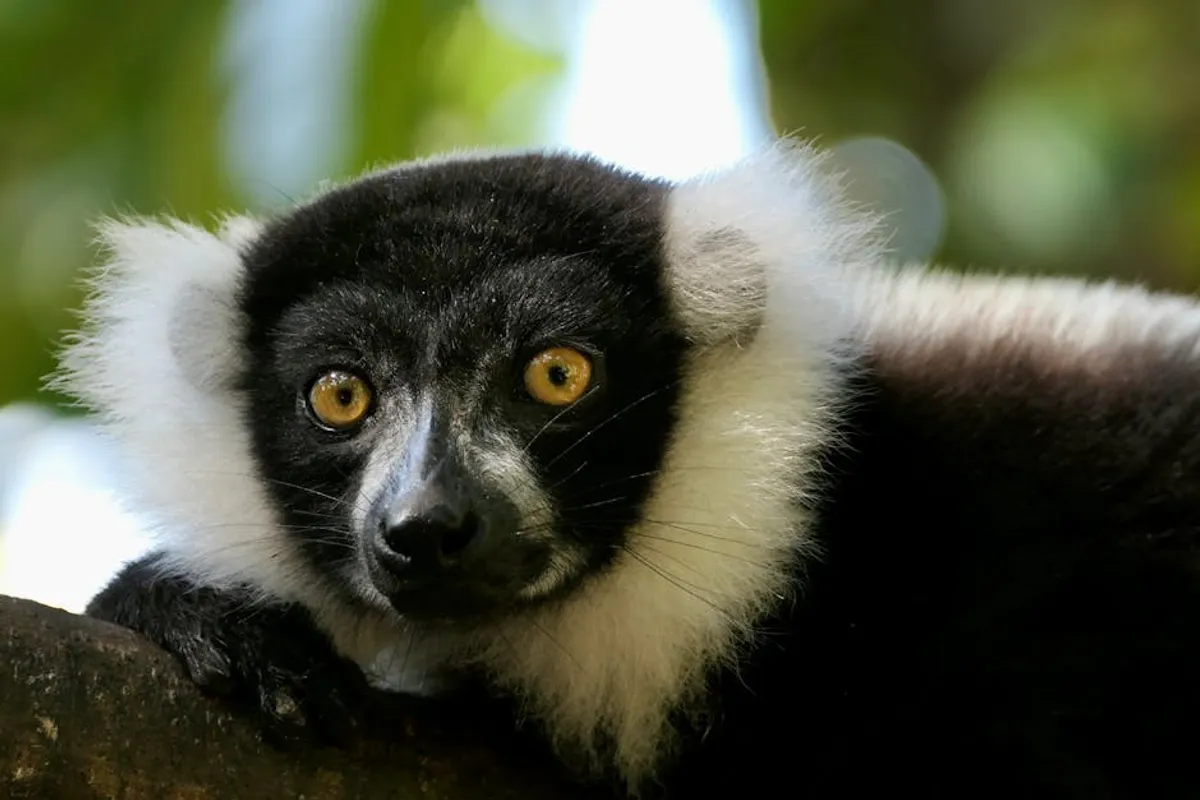
Madagascar, the world's fourth-largest island, stands as a biodiversity hotspot, often referred to as the "eighth continent" due to its unparalleled concentration of endemic species. For those new to exploring its natural wonders, understanding the unique ecosystems and the creatures that inhabit them is the first step toward a rewarding experience. This guide provides a foundational overview for beginners, focusing on the distinct wildlife groups, optimal viewing strategies, and the critical role of responsible tourism in preserving these irreplaceable natural assets. For those new to exploring its natural wonders, understanding the unique ecosystems and the creatures that inhabit them is the first step toward a rewarding experience, and this foundational overview will help you get started.
Understanding Madagascar's Unique Ecosystems
Madagascar's isolation for millions of years has resulted in evolutionary pathways distinct from continental landmasses. This geographic separation fostered a high degree of endemism, meaning a vast majority of its plants and animals are found nowhere else on Earth. The island's diverse topography, ranging from arid spiny forests in the south to humid rainforests in the east and dry deciduous forests in the west, creates a mosaic of habitats, each supporting specialized flora and fauna.
These varied environments are crucial for the survival of species adapted to specific conditions. For example, the spiny forest biome is home to succulent plants and reptiles that can withstand extreme drought, while the eastern rainforests harbor a different set of species, including many lemurs and chameleons, that thrive in high humidity and dense canopy cover. Recognizing these ecological zones helps visitors anticipate and locate specific wildlife during their travels.
Key Wildlife Groups to Observe
While Madagascar boasts an incredible array of life, several groups consistently capture the attention of wildlife enthusiasts. A beginner's focus often centers on these prominent and visually striking creatures.
Lemurs: The Primate Icons
Lemurs are the flagship species of Madagascar, with over 100 known species and subspecies, all endemic to the island. They represent an evolutionary radiation that has filled various ecological niches typically occupied by monkeys or other primates elsewhere. Observing lemurs requires patience and often the guidance of local naturalists, as many species are arboreal and blend seamlessly into their forest habitats.
- Ring-tailed Lemur: Easily recognizable by its long, black-and-white banded tail. Often found in drier, open forests, frequently seen on the ground.
- Indri: The largest living lemur, known for its distinctive, haunting call. Inhabits eastern rainforests and is primarily arboreal.
- Sifaka: Characterized by its upright posture and unique sideways "dancing" locomotion on the ground. Several species exist, adapted to different forest types.
- Aye-aye: A nocturnal and highly specialized lemur with an elongated middle finger used for tapping on trees and extracting grubs. Rarely seen due to its elusive nature.
Chameleons and Reptiles: Masters of Disguise
Madagascar is a global epicenter for chameleons, home to roughly half of the world's species. Their ability to change color, articulate eyes independently, and possess a projectile tongue makes them fascinating subjects. Beyond chameleons, the island hosts a diverse reptile population, including geckos, snakes (none venomous to humans), and tortoises.
Best for: Detailed observation, macro photography, and understanding evolutionary adaptation.
Birds: Endemic Avians
With over 250 bird species, including many endemics, Madagascar is a significant destination for birdwatchers. Unique families like the ground-rollers, cuckoo-rollers, and vangas showcase the island's distinct avian evolution. Birdwatching often complements lemur tracking, as many species inhabit the same forest ecosystems.
Other Notable Creatures
Beyond the headline species, Madagascar's biodiversity extends to numerous other fascinating animals:
- Fossa: The island's largest carnivorous mammal, resembling a small puma. It's a key predator of lemurs and other small animals.
- Tenrecs: A diverse group of small, insectivorous mammals, many of which are endemic and display convergent evolution with hedgehogs, shrews, and otters.
- Insects and Spiders: The island's invertebrate life is incredibly rich, featuring unique species like the Comet Moth, giraffe-necked weevil, and various orb-weaver spiders.
Planning Your Wildlife Encounter
Effective planning enhances the chances of encountering Madagascar's unique wildlife and ensures a smoother trip.
Best Times to Visit
The dry season, generally from May to October, is often considered ideal. Rainfall is minimal, making travel easier, and wildlife viewing is more consistent as animals congregate around water sources. During the wet season (November to April), some roads become impassable, but it can be an excellent time for birdwatching and observing chameleons and frogs, which are more active.
Choosing National Parks and Reserves
Madagascar has a well-developed network of protected areas, each offering distinct wildlife viewing opportunities. Researching specific parks based on target species is crucial.
Andasibe-Mantadia National Park: Renowned for Indri lemurs and a variety of chameleons.
Ranomafana National Park: A rainforest park known for its high biodiversity, including several lemur species like the Golden Bamboo Lemur.
Isalo National Park: Features dramatic sandstone landscapes and is home to Ring-tailed Lemurs and Sifakas.
Ankarafantsika National Park: A dry deciduous forest, excellent for birdwatching and Coquerel's Sifaka.
Pro Tip: Engage local, certified guides within national parks. Their expertise in tracking animals, understanding their behavior, and navigating the terrain significantly increases the likelihood of successful wildlife sightings and provides valuable ecological context.
Essential Gear and Preparations
Packing appropriately is vital for a comfortable and productive wildlife trip. Consider the varied climates and terrain you might encounter.
- Binoculars: Indispensable for observing arboreal lemurs and distant birds.
- Camera with zoom lens: For capturing detailed shots of often elusive subjects.
- Lightweight, quick-drying clothing: Suitable for humid conditions and hiking.
- Sturdy hiking shoes: Essential for navigating uneven forest trails.
- Insect repellent: Protection against mosquitoes and other biting insects.
- Headlamp or flashlight: Crucial for nocturnal walks, which offer opportunities to see active lemurs, chameleons, and frogs.
Conservation and Responsible Tourism
Madagascar's wildlife faces significant threats, primarily from habitat loss due to deforestation, slash-and-burn agriculture, and illegal logging. Responsible tourism plays a direct role in conservation efforts by providing economic incentives for local communities to protect their natural heritage.
Visitors should adhere to park rules, maintain a respectful distance from animals, avoid feeding wildlife, and support eco-friendly accommodations and tour operators. Engaging with local communities and purchasing local crafts also contributes positively to the economy, fostering a connection between conservation and livelihood.
Maximizing Your Malagasy Wildlife Experience
To truly appreciate Madagascar's natural heritage, approach your visit with an open mind and a spirit of adventure. The island's wildlife offers a window into unique evolutionary processes and the intricate balance of diverse ecosystems. By preparing thoughtfully, engaging with local expertise, and practicing responsible tourism, you contribute to the ongoing preservation of this extraordinary biodiversity while ensuring a memorable and impactful journey.
Frequently Asked Questions
What makes Madagascar's wildlife so unique?
Madagascar's long isolation from continental landmasses has led to an incredibly high degree of endemism, meaning over 90% of its wildlife species are found nowhere else on Earth. This includes all lemurs, many chameleon species, and unique bird families.
When is the best time to see wildlife in Madagascar?
The dry season, from May to October, is generally considered the optimal time. Weather is more stable, roads are more accessible, and animals are often easier to spot as they concentrate around remaining water sources.
Are there any safety concerns for wildlife viewing in Madagascar?
While Madagascar has no large dangerous predators or venomous snakes harmful to humans, it is essential to follow guide instructions, maintain a respectful distance from wildlife, and be aware of your surroundings, especially during nocturnal walks. General travel safety precautions should also be observed.
How can I contribute to conservation efforts while visiting?
Support local national parks and reserves by paying entrance fees, hiring certified local guides, and choosing eco-friendly accommodations and tour operators. Avoid purchasing products made from endangered species and participate in community-based tourism initiatives where possible.