
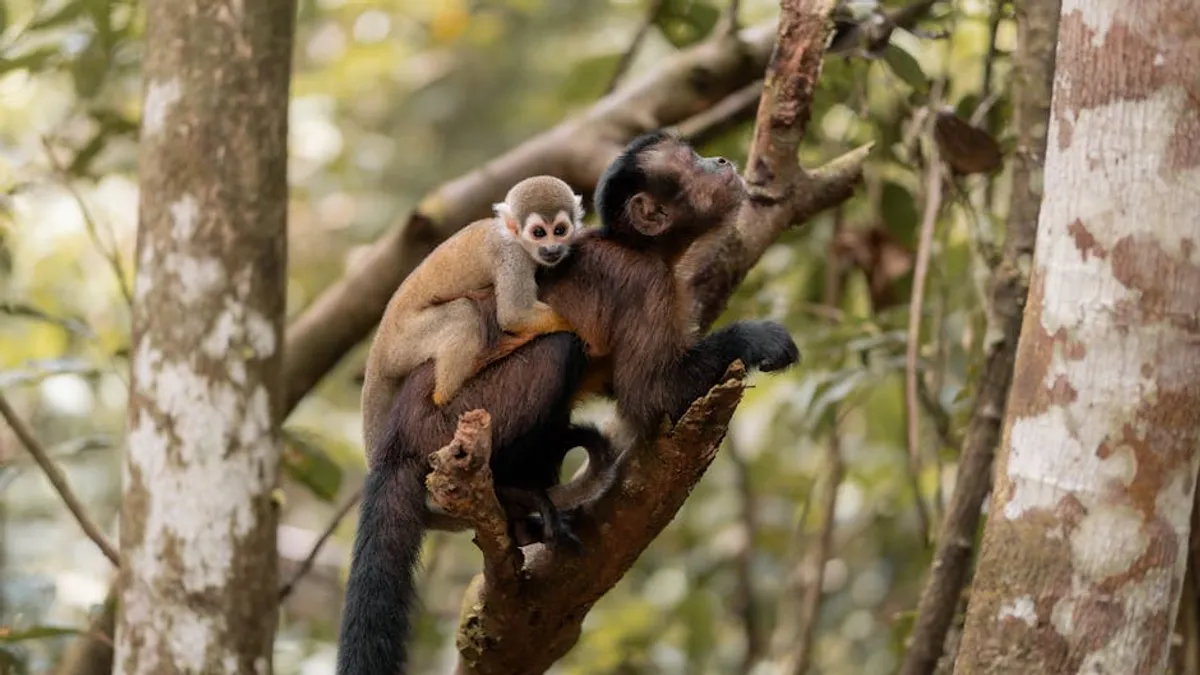
Embarking on a journey into a rainforest ecosystem offers unparalleled opportunities for wildlife observation and ecological education. This guide provides a structured approach to planning your travel and educational experiences, emphasizing responsible engagement with these biodiverse environments. Understanding the unique characteristics of rainforests and their inhabitants is crucial for maximizing both impact and learning, ensuring your expedition contributes positively to conservation efforts while delivering profound insights into natural history.
Understanding Rainforest Biodiversity for Travel Planning
Effective rainforest travel and education begins with recognizing the distinct ecological profiles of different regions. Each major rainforest basin hosts a unique array of flora and fauna, influencing potential animal encounters and educational focus. Tailoring your destination choice to specific interests, such as primate observation or amphibian study, enhances the overall experience.
Amazon Basin: Iconic Species and Conservation
The Amazon rainforest, spanning nine South American countries, represents the largest and most biodiverse tropical forest globally. Its immense scale supports iconic species like jaguars, anacondas, capybaras, and a vast diversity of monkeys and birds. Educational travel here often focuses on large mammal tracking, birdwatching, and understanding complex hydrological systems. Conservation efforts are paramount due to deforestation and resource extraction, making tours that support sustainable local communities particularly impactful.
Best for: Broad biodiversity exposure, large mammal observation, ecological research, supporting community-based conservation.
Central American Rainforests: Accessibility and Unique Fauna
Rainforests in Central America, including those in Costa Rica, Panama, and Belize, offer comparatively easier access and established ecotourism infrastructure. These regions are renowned for sloths, resplendent quetzals, poison dart frogs, and a high density of primate species. Educational programs often highlight cloud forest ecosystems, volcanic influences on biodiversity, and successful national park models. The smaller geographical scale allows for more focused study of specific ecological niches.
Best for: Ecotourism accessibility, birdwatching, amphibian and reptile study, understanding conservation policy implementation.
Southeast Asian Rainforests: Endemism and Ecotourism
Regions like Borneo, Sumatra, and parts of Malaysia and Indonesia feature ancient rainforests characterized by high levels of endemism. These areas are critical habitats for orangutans, proboscis monkeys, clouded leopards, and diverse hornbill species. Educational tours often center on primate rehabilitation, rainforest canopy walks, and the impacts of palm oil cultivation. The unique geological history contributes to a distinct evolutionary trajectory for many species.
Best for: Primate observation, endemic species study, canopy exploration, understanding human impact on ancient ecosystems.
Educational Objectives in Rainforest Environments
Structured educational experiences in rainforests move beyond casual observation to foster deeper understanding and critical thinking. Clear objectives transform a trip into a learning expedition, whether for academic credit, personal enrichment, or professional development.
Field Guides and Local Experts: Enhancing Learning
Engaging experienced field guides and local naturalists is foundational to any educational rainforest experience. These individuals possess invaluable knowledge of local ecology, animal behavior, and cultural context. Their ability to identify subtle signs of wildlife, interpret complex ecosystem dynamics, and share indigenous perspectives significantly enriches the learning process. Prior research into a guide's qualifications and specialization ensures alignment with educational goals.
Integrating Technology for Species Identification and Data Collection
Modern technology offers powerful tools for enhancing rainforest education. Mobile applications for species identification (e.g., bird calls, plant recognition), GPS tracking for mapping animal movements, and portable cameras for high-quality documentation can augment traditional learning methods. Participants can contribute to citizen science projects by logging observations, fostering a sense of active participation and scientific contribution.
Curriculum Development for Educational Tours
For organized groups, a well-defined curriculum transforms a tour into a structured educational program. This includes pre-trip preparatory materials, in-field activities (e.g., journaling, sketch drawing, data collection), and post-trip reflection assignments. Curricula can cover topics such as biodiversity hot spots, ecological interdependencies, indigenous knowledge systems, and conservation challenges, tailored to the age and background of participants.
Ethical Travel and Animal Welfare Considerations
Responsible tourism in rainforests prioritizes the well-being of animals and their habitats. Adherence to ethical guidelines minimizes disturbance and supports long-term conservation.
Minimizing Impact: Observing from a Distance
Direct interaction with wild animals can cause stress, alter natural behaviors, and increase disease transmission risks. Maintaining appropriate distances, using binoculars or telephoto lenses for observation, and avoiding sudden movements or loud noises are critical. Tour operators should enforce strict no-touching policies and educate participants on passive observation techniques.
Pro Tip: Before booking, research tour operators' ethical policies regarding animal interactions. Verify their commitment to certified sustainable tourism practices and ask specific questions about their animal encounter guidelines to ensure alignment with responsible wildlife viewing standards.
Supporting Local Conservation Initiatives
Choosing tour providers and accommodations that directly contribute to local conservation projects or employ local staff empowers communities and reinforces conservation efforts. This can include staying at eco-lodges that fund reforestation, participating in tours led by indigenous guides who share traditional ecological knowledge, or purchasing locally made crafts that benefit community development.
Avoiding Exploitative Practices
Be wary of attractions that offer direct physical contact with wild animals, especially those involving orphaned or captive individuals presented as "rescued" without transparent rehabilitation plans. Activities like holding sloths, riding elephants, or posing with big cats often involve animal exploitation, contributing to stress, injury, and illegal wildlife trade. Prioritize observational experiences over interactive ones.
Practical Preparations for Rainforest Expeditions
Thorough preparation ensures a safer and more enjoyable rainforest experience, mitigating common challenges like weather, insects, and remote access.
Health and Safety Protocols
Consulting a travel health professional well in advance is essential for vaccinations (e.g., yellow fever, typhoid) and malaria prophylaxis. Packing a comprehensive first-aid kit with insect repellent (containing DEET or picaridin), anti-diarrheal medication, and any personal prescription drugs is crucial. Understanding local emergency procedures and having travel insurance with medical evacuation coverage provides an important safety net.
Essential Gear and Packing Strategies
Packing light but strategically is key for rainforest travel. Focus on quick-drying, breathable clothing and protective items.
- Lightweight, long-sleeved shirts and trousers: Protection from sun, insects, and scratches.
- Waterproof rain jacket and pack cover: Essential for unpredictable rainforest downpours.
- Sturdy, waterproof hiking boots: With good ankle support for muddy and uneven terrain.
- Insect repellent: High concentration for effective protection.
- Sunscreen and wide-brimmed hat: Even under canopy, sun exposure is possible.
- Binoculars: Crucial for wildlife viewing from a distance.
- Reusable water bottle and water purification tablets/filter: Hydration is vital; reduce plastic waste.
- Headlamp or flashlight: For early morning or night excursions.
- Dry bags: To protect electronics and sensitive items from moisture.
Navigating Your Rainforest Journey
A well-planned rainforest animal travel and education experience offers profound connections to the natural world. By prioritizing ethical engagement, thorough preparation, and a commitment to learning, participants can ensure their journey is both personally enriching and beneficial to the delicate ecosystems they visit. Focus on respectful observation and supporting sustainable initiatives to leave a positive footprint.
Frequently Asked Questions
What is the best time of year to visit a rainforest for animal viewing?
The "best" time varies by region. Generally, the dry season (specific months differ per location) offers easier trail access and animals may congregate around fewer water sources, making them easier to spot. However, the wet season can bring lush vegetation and active amphibian life. Research your specific destination's seasonal patterns.
How can I ensure my rainforest tour is truly eco-friendly?
Look for certifications from reputable ecotourism organizations, inquire about their waste management, energy use, and water conservation practices, and verify their commitment to fair wages for local staff. A truly eco-friendly tour prioritizes minimal environmental impact and maximum community benefit.
Are rainforests safe for travelers?
Rainforests can be safe with proper preparation and guidance. Risks include venomous creatures, challenging terrain, and tropical diseases. Traveling with experienced guides, adhering to safety instructions, staying on marked paths, and following health protocols significantly mitigate these risks. Avoid solo exploration.
What kind of educational activities are common on rainforest trips?
Common activities include guided nature walks focusing on flora and fauna identification, night walks to observe nocturnal animals, canopy tours (zip-lining or suspended bridges), river excursions, visits to research stations, and cultural exchanges with indigenous communities. Many tours incorporate journaling, photography, and expert-led discussions.