
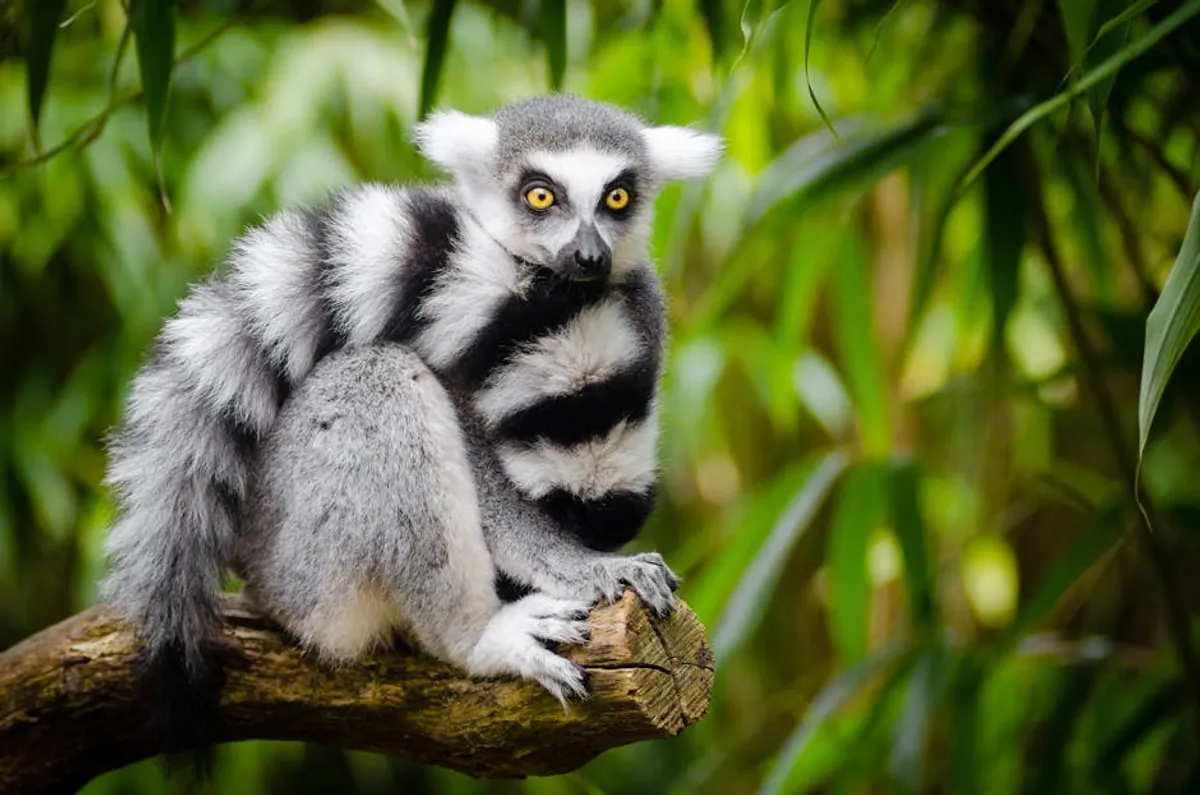
Rainforest animals are not merely exotic wildlife; they represent fundamental components of global ecological systems that directly underpin human well-being, economic stability, and climate regulation. For businesses, policymakers, and communities, understanding their critical role in conservation is not an abstract environmental concern, but a strategic imperative. The intricate web of life within these biodiverse ecosystems provides essential services, from regulating the planet’s climate to offering potential medical breakthroughs, making their preservation a direct investment in the future.
Keystone Species and Ecosystem Stability
The functionality and resilience of rainforests depend heavily on their animal inhabitants. Many species act as keystone players, meaning their removal triggers a cascade of negative effects that can lead to ecosystem collapse. Their roles are diverse and critical, directly influencing the forest's ability to regenerate, sustain itself, and provide vital services.
Seed Dispersal and Forest Regeneration
Animals such as primates, birds, bats, and even large terrestrial mammals like tapirs are primary vectors for seed dispersal. They consume fruits and excrete seeds in new locations, often far from the parent plant, facilitating genetic exchange and preventing localized overpopulation. Without these dispersers, many rainforest trees and plants would struggle to reproduce effectively, leading to reduced forest density, altered species composition, and decreased resilience to disturbances like drought or disease. This directly impacts the forest's capacity for carbon sequestration and overall health.
Pollination Services
A vast array of rainforest animals, including insects (bees, butterflies, moths), birds (hummingbirds), and bats, are responsible for pollinating flowering plants. This process is essential for the reproduction of countless plant species, including many that form the base of the rainforest food web and some with significant economic value outside the rainforest. The decline of these pollinators can lead to reduced plant diversity and productivity, affecting everything from timber resources to local food security.
Pest Control
Rainforest animals also play a crucial role in natural pest control. Predators like birds, bats, amphibians, and various insects regulate populations of herbivores and potential agricultural pests. For instance, bats consume vast quantities of insects nightly, preventing outbreaks that could defoliate trees or damage crops in adjacent areas. The loss of these natural controls can necessitate increased reliance on chemical interventions, with associated environmental and health costs.
Biodiversity as a Genetic Library
Rainforests harbor an unparalleled concentration of biodiversity, making their animal inhabitants a living genetic library. Each species represents a unique evolutionary pathway, containing genetic information that could hold solutions to future challenges in medicine, agriculture, and industry.
Medical and Pharmaceutical Discoveries
Many compounds with medicinal properties originate from rainforest plants and animals. The unique chemical defenses and adaptations developed by rainforest organisms against pathogens and predators have provided numerous templates for pharmaceuticals. The loss of a single species can mean the permanent forfeiture of a potential cure for diseases, new antibiotics, or novel treatments. This represents a tangible economic and humanitarian loss.
Agricultural Innovation
Wild relatives of many cultivated crops, such as coffee, cacao, and various fruits, are found in rainforests. The genetic diversity within these wild populations offers crucial traits like disease resistance, drought tolerance, and enhanced nutritional value. As climate change and new pathogens threaten global food security, access to this genetic reservoir becomes increasingly vital for breeding resilient crops. The animals that help maintain these wild plant populations are therefore indirectly safeguarding agricultural futures.
Climate Regulation and Carbon Sequestration
Rainforests are often called the "lungs of the Earth" due to their significant role in global climate regulation. Rainforest animals contribute to this function by maintaining the health and structure of these vast carbon sinks.
Forest Health and Carbon Sinks
Healthy, biodiverse rainforests are more efficient at absorbing carbon dioxide from the atmosphere and storing it in their biomass. Animals contribute to this by dispersing seeds, controlling pests, and facilitating nutrient cycling. Degraded forests, often resulting from the loss of key animal species, become less effective carbon sinks and can even release stored carbon, exacerbating climate change. The integrity of these ecosystems, driven by their animal populations, is directly linked to global carbon budgets.
Water Cycle Regulation
Rainforests influence regional and global rainfall patterns through evapotranspiration. Animals, by maintaining forest health and structure, indirectly support this critical function. For example, healthy forests with robust animal populations are better able to regulate water flow, prevent soil erosion, and ensure consistent rainfall far beyond their immediate borders, impacting agricultural productivity and water availability in distant regions.
Economic and Cultural Value
Beyond ecological services, rainforest animals generate significant economic and cultural value, providing livelihoods and sustaining indigenous traditions.
- Ecotourism Revenue: Wildlife viewing, particularly of charismatic rainforest animals, drives a multi-billion dollar ecotourism industry. This generates direct revenue for national parks, local businesses, and communities, creating economic incentives for conservation.
- Sustainable Resource Harvesting: Many rainforest animal products, when harvested sustainably, can provide income for local communities without depleting populations. Examples include medicinal plants, certain insects, or artisan crafts derived from non-threatened species.
- Indigenous Livelihoods and Knowledge: Indigenous communities often have deep cultural and economic ties to rainforest animals, relying on them for food, traditional medicine, and spiritual practices. The preservation of these animals is integral to the survival of these cultures and their invaluable ecological knowledge.
- Brand Reputation and Sustainability: For global businesses, demonstrating commitment to rainforest conservation and sustainable sourcing practices (e.g., palm oil, timber, coffee) can significantly enhance brand reputation, meet consumer demand for ethical products, and mitigate supply chain risks associated with deforestation and biodiversity loss.
Pro Tip: The irreversible loss of rainforest animal species represents not just an ecological tragedy, but a permanent forfeiture of potential medical breakthroughs, agricultural resilience, and critical ecosystem services that underpin global economies. Businesses and governments must recognize this as a long-term risk to global stability and prosperity.
Strategic Imperatives for Conservation
Recognizing the profound importance of rainforest animals for conservation necessitates a multi-faceted and strategic approach. This involves more than just setting aside protected areas; it requires integrating conservation into economic planning, corporate responsibility, and international policy.
Effective strategies include supporting sustainable land management practices that minimize habitat fragmentation, combating illegal wildlife trade, and investing in community-led conservation initiatives. For businesses, this translates to scrutinizing supply chains for deforestation links, adopting certifications for sustainable sourcing (e.g., FSC for timber, RSPO for palm oil), and exploring carbon offsetting projects that directly support rainforest protection. Policy frameworks must strengthen enforcement against environmental crimes, incentivize reforestation, and recognize the land rights of indigenous communities who are often the most effective stewards of these ecosystems. The long-term health of global economies and human societies is inextricably linked to the vitality of rainforest animal populations.
Frequently Asked Questions
What defines a rainforest animal?
Rainforest animals are species that have adapted to live within the unique climatic and ecological conditions of tropical rainforests, characterized by high rainfall, dense vegetation, and consistent warm temperatures. They exhibit specialized behaviors and physical traits suited for this environment, such as arboreal locomotion, camouflage, and diets focused on diverse plant and insect life.
How does animal extinction impact rainforests?
Animal extinction in rainforests can severely disrupt critical ecological processes like seed dispersal, pollination, and pest control. This leads to reduced forest regeneration, altered plant communities, decreased biodiversity, and ultimately, a decline in the rainforest's ability to function as a stable ecosystem, impacting its capacity to regulate climate and provide essential services.
Can conservation efforts truly make a difference for rainforest animals?
Yes, targeted conservation efforts have demonstrated success. Initiatives such as establishing protected areas, combating poaching, restoring degraded habitats, and promoting sustainable livelihoods for local communities can lead to population recoveries for endangered species and improve overall ecosystem health. International collaboration and sustained funding are crucial for long-term impact.
What are the primary threats to rainforest animals?
The main threats include habitat loss and fragmentation due to deforestation for agriculture (e.g., cattle ranching, palm oil plantations), logging, and mining. Poaching and illegal wildlife trade also significantly impact many species. Climate change, pollution, and the spread of diseases further exacerbate these pressures, pushing many rainforest animal populations towards extinction.