
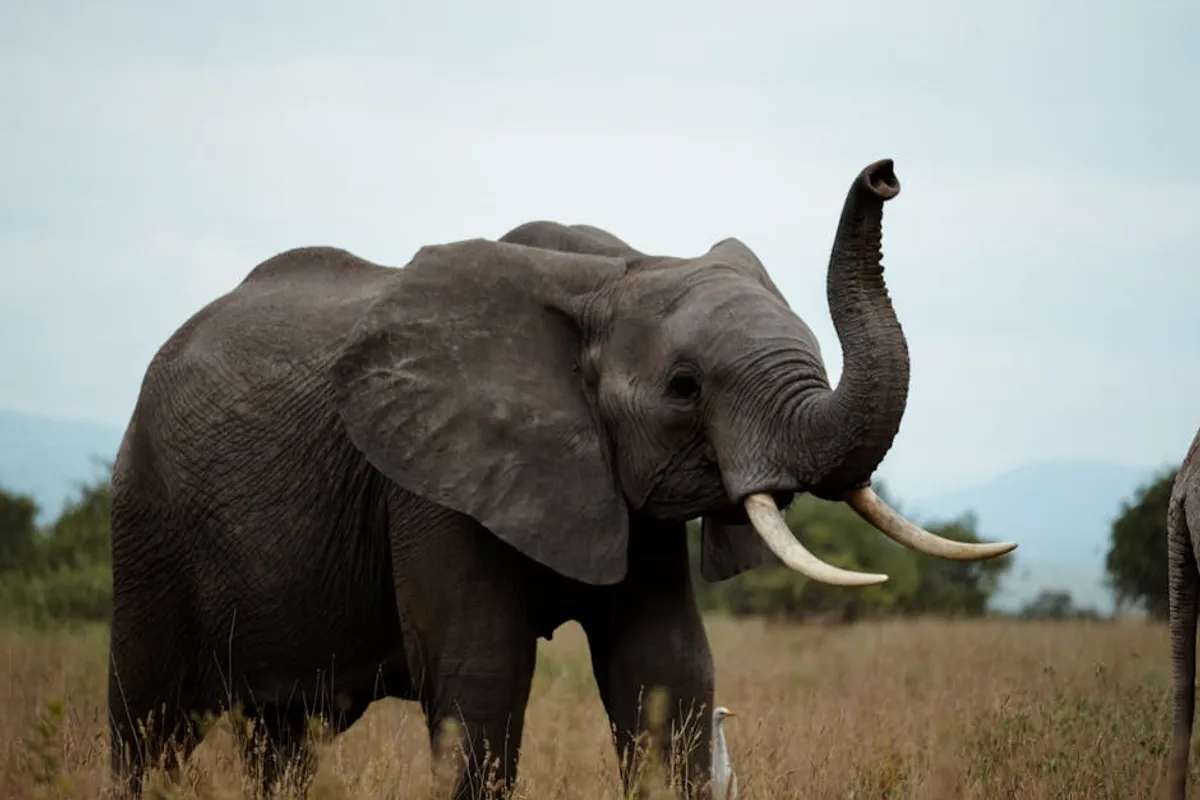
Wildlife conservation extends beyond simply protecting individual species; it is a systemic effort to preserve Earth's biodiversity, ecological processes, and natural resources essential for both wildlife and human well-being. For beginners, understanding its core principles and actionable steps is crucial. This guide provides a foundational perspective on why conservation matters, the primary challenges it addresses, and how individuals and organizations can contribute effectively to its long-term success.
Understanding the Scope of Wildlife Conservation
Wildlife conservation encompasses the protection of animal and plant species, their habitats, and the ecosystems they form. This field addresses the decline of biodiversity, which is the variety of life on Earth, from genes to ecosystems. The health of these natural systems directly impacts human societies through services like clean air and water, food production, climate regulation, and disease control.
Key Threats to Wildlife
The urgency of wildlife conservation stems from several critical threats that accelerate species extinction rates and ecosystem degradation:
- Habitat Loss and Fragmentation: The conversion of natural landscapes for agriculture, urban development, and infrastructure destroys and divides vital habitats, isolating populations and reducing genetic diversity.
- Climate Change: Shifting weather patterns, rising sea levels, and extreme weather events alter habitats and disrupt ecological processes, pushing species beyond their adaptive capacities.
- Pollution: Chemical pollutants, plastics, and noise pollution contaminate air, water, and soil, directly harming wildlife and degrading their environments.
- Overexploitation: Unsustainable hunting, fishing, logging, and harvesting of wild species for commercial or subsistence purposes deplete populations faster than they can recover.
- Invasive Species: Non-native species introduced to new environments can outcompete native species for resources, introduce diseases, or disrupt food webs, leading to declines in native populations.
Defining "Wildlife" and "Habitat"
In conservation, "wildlife" refers to all non-domesticated living organisms, including animals, plants, fungi, and other microorganisms, in their natural environments. "Habitat" is the natural home or environment of an animal, plant, or other organism, providing the necessary resources for survival, such as food, water, shelter, and breeding sites. Effective conservation strategies recognize that protecting species is inseparable from protecting their habitats.
Core Principles of Effective Conservation
Successful wildlife conservation relies on a multi-faceted approach, integrating scientific research, policy, and community engagement.
Habitat Protection and Restoration
Protecting existing natural areas and restoring degraded ones are foundational to conservation. This involves:
- Establishing Protected Areas: Creating national parks, wildlife refuges, and marine protected areas to safeguard critical habitats from human development and exploitation.
- Land Acquisition: Purchasing or securing conservation easements on private lands to prevent development and maintain ecological corridors.
- Ecological Restoration: Implementing projects to rehabilitate degraded ecosystems, such as reforestation, wetland reconstruction, and riparian zone restoration, to improve habitat quality and connectivity.
Species Management and Reintroduction
Direct intervention for endangered or threatened species often includes:
- Population Monitoring: Tracking species numbers, health, and distribution to identify trends and inform management decisions.
- Anti-Poaching Efforts: Implementing patrols, technology, and community-based strategies to combat illegal hunting and trade.
- Captive Breeding and Reintroduction: Breeding endangered species in controlled environments with the goal of releasing them back into the wild to bolster existing populations or establish new ones.
Community Engagement and Sustainable Practices
Long-term conservation success requires the active participation and support of local communities:
- Education and Awareness: Informing the public about the importance of biodiversity and the threats it faces.
- Sustainable Livelihoods: Developing economic alternatives for communities that reduce reliance on unsustainable resource extraction, such as ecotourism or sustainable agriculture.
- Policy and Advocacy: Working with governments and international bodies to develop and enforce environmental laws and regulations that support conservation goals.
How Individuals and Businesses Can Contribute
Everyone has a role in wildlife conservation, from daily choices to strategic investments.
Personal Actions for Impact
Individuals can contribute by:
- Reducing Consumption: Minimizing energy use, waste generation, and consumption of products with high environmental footprints.
- Supporting Sustainable Products: Choosing goods certified as sustainably sourced, such as FSC-certified wood or MSC-certified seafood.
- Volunteering: Participating in local conservation projects, habitat clean-ups, or citizen science initiatives.
- Advocacy: Contacting elected officials to support environmental legislation and policies.
Business and Corporate Social Responsibility (CSR) in Conservation
Businesses can integrate conservation into their operations and strategies:
Best for: Businesses aiming for measurable environmental impact and enhanced brand reputation.
- Sustainable Sourcing: Implementing supply chain practices that minimize environmental harm, such as using renewable materials or supporting ethical labor.
- Carbon Offsetting: Investing in projects that reduce greenhouse gas emissions to compensate for their own operational footprint.
- Philanthropic Partnerships: Providing financial support or in-kind donations to reputable conservation organizations.
- Employee Engagement: Offering opportunities for employees to volunteer in conservation efforts or participate in environmental education programs.
Pro Tip: When considering financial contributions or partnerships, conduct thorough due diligence. Verify an organization's financial transparency, program effectiveness, and scientific basis for its work. Reputable organizations typically provide annual reports, impact assessments, and clear breakdowns of how funds are allocated.
Navigating Conservation Organizations
Choosing the right organization to support is key to ensuring your efforts have a real impact. Look for organizations that demonstrate:
- Clear Mission and Goals: A well-defined focus on specific conservation challenges or species.
- Scientific Basis: Programs grounded in ecological research and data, not just emotional appeals.
- Local Community Engagement: Evidence of working collaboratively with indigenous peoples and local communities, respecting their rights and incorporating their knowledge.
- Financial Transparency: Publicly available financial statements showing how donations are used, with a reasonable percentage allocated to program services versus administrative costs.
- Demonstrated Impact: Measurable outcomes and progress reports on their conservation projects.
- Ethical Practices: Adherence to ethical guidelines in research, fundraising, and engagement with wildlife.
Moving Forward with Conservation Efforts
Wildlife conservation is an ongoing, complex endeavor that requires sustained commitment and adaptive strategies. As a beginner, understanding the foundational threats and solutions provides a framework for informed action. Whether through personal lifestyle changes, strategic business investments, or direct engagement with conservation groups, every contribution helps build a more resilient and biodiverse future. The interconnectedness of ecosystems means that local actions can have global reverberations, making thoughtful participation more critical than ever.
Frequently Asked Questions
What is biodiversity and why is it important?
Biodiversity refers to the variety of life on Earth at all its levels, from genes to ecosystems. It is crucial because it underpins ecosystem services like clean water, pollination, climate regulation, and nutrient cycling, all of which are essential for human survival and well-being.
How does habitat protection directly help wildlife?
Habitat protection directly helps wildlife by preserving the physical spaces and resources (food, water, shelter) they need to survive and reproduce. It prevents further fragmentation and degradation of ecosystems, allowing species to maintain viable populations and natural behaviors.
How can I ensure my donations to conservation organizations are effective?
To ensure effective donations, research organizations thoroughly. Look for those with strong financial transparency, a clear mission, scientific backing for their projects, and a track record of measurable impact. Websites like Charity Navigator or GuideStar can provide insights into an organization's accountability and financial health.
What role do local communities play in conservation?
Local communities are vital to conservation because they often live closest to critical habitats and wildlife. Their involvement ensures that conservation efforts are culturally appropriate, sustainable, and address local needs, often leading to more effective and long-lasting outcomes through shared stewardship.