
For content creators and niche publishers, identifying highly specialized topics with dedicated audiences is crucial for establishing authority and driving engagement. Madagascar’s unique animal kingdom presents a prime example: a rich, distinct subject area with high intrinsic interest and specific search intent patterns. This guide introduces the foundational aspects of Madagascar’s wildlife, highlighting the characteristics that make it a compelling subject for content development and audience capture.
The Unique Biodiversity of Madagascar
Madagascar’s biological distinctiveness stems primarily from its prolonged geological isolation. Having separated from the Indian subcontinent approximately 88 million years ago, the island became a crucible for evolution, allowing species to diversify in unique ways without external competition or genetic influx. This isolation has resulted in an extraordinary level of endemism, meaning a vast majority of its flora and fauna are found nowhere else on Earth.
Endemism as a Content Differentiator
The high rate of endemism is not merely a scientific curiosity; it is a significant content differentiator. When targeting audiences interested in unique wildlife, content focused on Madagascar's endemic species inherently offers novelty and exclusivity. This reduces direct competition for specific long-tail keywords and allows for the development of deep, authoritative content clusters that are difficult to replicate. For instance, detailed guides on specific chameleon species or nocturnal lemurs tap into highly specific informational needs that broader wildlife sites may not address comprehensively.
Key Animal Groups to Understand
Madagascar’s animal life is diverse, but several groups stand out due to their iconic status, unique adaptations, or significant audience interest. Focusing content efforts on these groups can yield strong engagement.
Lemurs: The Primate Icons
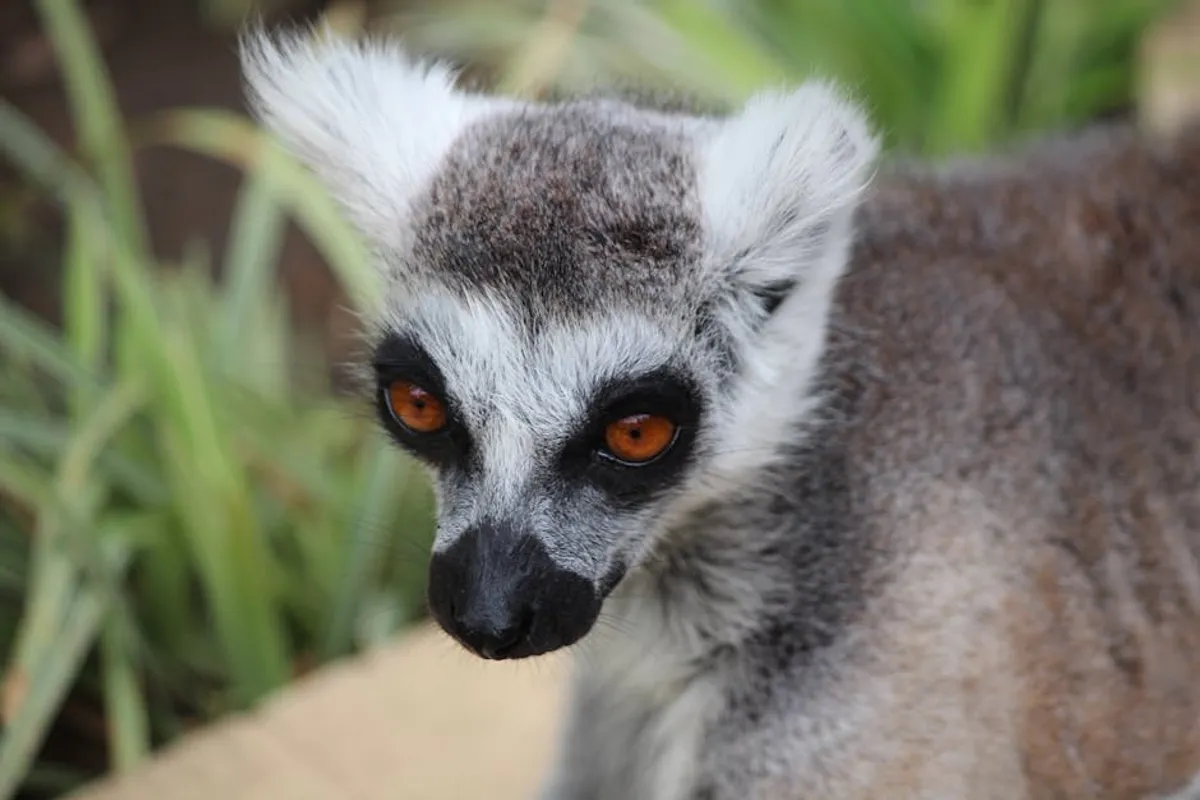
Lemurs are arguably Madagascar's most famous inhabitants, representing a diverse superfamily of primates found exclusively on the island. Their evolutionary radiation has produced over 100 known species and subspecies, ranging from the tiny pygmy mouse lemur to the large indri. Each species offers distinct characteristics—diet, social structure, habitat, and vocalizations—providing ample material for specialized content. For instance, comparing the diurnal ring-tailed lemur with the nocturnal aye-aye highlights extreme evolutionary paths within a single lineage.
Fossa and Other Carnivores
The fossa (Cryptoprocta ferox) is Madagascar’s largest native mammalian predator, resembling a cat-weasel hybrid. It is a highly specialized hunter, primarily preying on lemurs. Understanding the fossa’s ecological role provides critical context for content discussing the island’s food webs and conservation challenges. Other carnivores, like the civets and mongooses, though less prominent, contribute to the island's unique mammalian diversity, offering further avenues for niche content.
Reptiles and Amphibians: Chameleons, Geckos, Frogs
Madagascar is a global hotspot for reptiles and amphibians. Its chameleons are particularly renowned for their incredible diversity, intricate camouflage, and unique independent eye movements. Species like the panther chameleon (Furcifer pardalis) are visually stunning and highly sought after in pet trade discussions, indicating commercial search intent. Leaf-tailed geckos (Uroplatus species) offer another example of extreme camouflage, while the island's vibrant frog species, many brightly colored and endemic, provide rich visual content opportunities and insights into amphibian evolution.
Birds and Insects
While often overshadowed by lemurs and chameleons, Madagascar's avifauna includes several endemic families, such as the ground-rollers and asities, presenting opportunities for ornithology-focused content. The island’s insect life is also remarkably diverse, with unique species of stick insects, butterflies, and beetles contributing to its complex ecosystems. Content exploring these lesser-known groups can appeal to highly specialized scientific or hobbyist audiences.
Crafting Content Around Madagascar's Wildlife
Developing content about Madagascar’s animals requires a strategic approach that leverages their unique appeal. Beyond general descriptions, consider angles that address specific audience needs and search queries.
Pro Tip: When developing content about Madagascar's wildlife, prioritize visual storytelling. High-quality images and video of endemic species, especially chameleons, lemurs, and unique amphibians, significantly boost engagement. These visuals are often critical for capturing attention and conveying the distinctiveness of the animals, particularly for informational and discovery-oriented search intent.
Content strategies could include:
- Species Deep Dives: Detailed profiles of individual endemic species, covering habitat, diet, behavior, and conservation status.
- Conservation Narratives: Articles focusing on threats to Madagascar's biodiversity (deforestation, illegal wildlife trade) and ongoing conservation efforts.
- Behavioral Studies: Explanations of unique animal behaviors, such as the social structures of ring-tailed lemurs or the hunting techniques of the fossa.
- Comparative Content: How Madagascar's species compare to their mainland counterparts (e.g., lemurs vs. other primates, chameleons vs. other lizards).
- Photography Guides: Tips for photographing specific wildlife in their natural habitats, appealing to wildlife photographers and travelers.
Understanding Audience Interest and Search Intent
Audiences searching for "Animals in Madagascar" exhibit a spectrum of intent. Many are seeking general informational content ("what animals live in Madagascar?"). However, significant segments also display more specific informational intent ("how many lemur species are there?"), navigational intent (searching for specific parks or reserves), and even commercial intent (e.g., "Madagascar wildlife tours," "chameleon care guide"). Effective content anticipates these diverse needs, providing comprehensive answers that build authority and capture various stages of the user journey.
Actionable Insights for Content Development
To effectively leverage the topic of Madagascar's animals, focus on creating content that is both informative and strategic. Identify specific sub-niches within the broader topic, such as "nocturnal lemur species" or "Madagascar's venomous snakes," where detailed, accurate information is highly valued. Employ clear, descriptive language, and ensure scientific names are consistently used alongside common names for precision. Regularly update content to reflect new scientific discoveries or conservation developments, maintaining relevance and accuracy for a discerning audience.
Frequently Asked Questions
What makes Madagascar's animals so unique?
Madagascar's long isolation from continental landmasses allowed its animal species to evolve independently, resulting in an exceptionally high rate of endemism, meaning most of its animals are found nowhere else on Earth.
Are all lemurs found only in Madagascar?
Yes, all species of lemurs, including their various subspecies, are native and exclusive to Madagascar and its small neighboring Comoros islands.
What is the largest predator in Madagascar?
The fossa (Cryptoprocta ferox) is the largest native mammalian predator on Madagascar, known for its agile hunting of lemurs and other small animals.
Are Madagascar's animals endangered?
Many of Madagascar's unique animal species, particularly lemurs, chameleons, and several bird species, are critically endangered or vulnerable due to habitat loss, climate change, and poaching.