
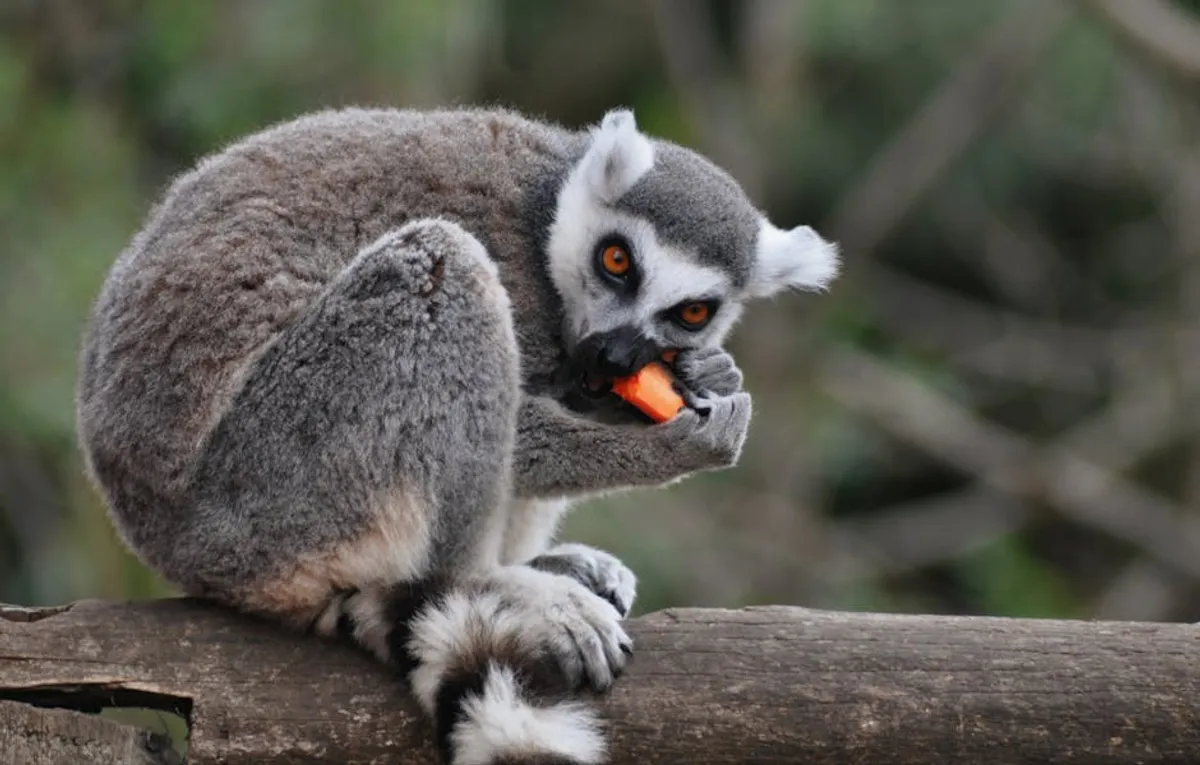
Madagascar stands as a biodiversity hotspot, a living laboratory of evolution where 90% of its wildlife is endemic, found nowhere else on Earth. For content creators, publishers, and marketers targeting curious readers, this translates into an unparalleled reservoir of unique narratives. The island’s ecological isolation has fostered an array of species with astonishing adaptations, behaviors, and appearances, offering rich material for engaging articles, educational content, and viral social media posts. Understanding which facts resonate most deeply with an audience – those that surprise, inform, and inspire – is key to crafting compelling narratives that capture attention and drive engagement. This curated selection focuses on facts that are not only scientifically accurate but also possess inherent storytelling potential, making them invaluable assets for any content strategy.
Criteria for Selecting High-Impact Madagascar Wildlife Facts
Identifying wildlife facts that truly captivate an audience requires more than just scientific accuracy; it demands an understanding of narrative power and audience psychology. The most impactful facts share several characteristics:
- Uniqueness and Endemism: Facts about species or behaviors found exclusively in Madagascar inherently hold greater intrigue. The "found nowhere else" aspect elevates a fact from interesting to essential.
- Surprise Factor: Information that challenges common perceptions or reveals unexpected adaptations tends to be highly shareable. A fact that makes readers say, "I had no idea!" is a strong candidate.
- Visual Appeal: Facts related to visually striking animals, unusual physical traits, or dramatic behaviors are more effective for multimedia content, enhancing engagement across platforms.
- Ecological Significance: Facts that highlight critical roles within the ecosystem or illustrate complex interdependencies offer deeper educational value and resonate with environmentally conscious audiences.
- Storytelling Potential: Facts that naturally lend themselves to a compelling narrative – a struggle for survival, a unique evolutionary path, or a surprising discovery – are ideal for long-form content and documentary features.
- Conservation Relevance: Facts that subtly or overtly underscore the fragility of Madagascar’s ecosystems can inspire advocacy and connect with readers on an emotional level, driving broader awareness.
By applying these filters, content creators can move beyond generic descriptions to pinpoint the truly magnetic aspects of Madagascar's natural world, ensuring their content stands out and educates effectively.
1. The Aye-Aye's Unique Foraging Tool
The aye-aye (Daubentonia madagascariensis) is a nocturnal lemur distinguished by its perpetually growing incisors and a remarkably elongated, slender middle finger. This specialized digit is used for percussive foraging: the aye-aye taps on tree trunks to locate insect larvae tunnels beneath the bark, then gnaws a hole and extracts the grubs with its long finger. This echolocation-like method, combined with its distinct appearance, makes it a prime example of convergent evolution with woodpeckers and flying squirrels in other parts of the world, highlighting Madagascar's unique evolutionary paths.
Best for: Content focusing on extreme specialization, evolutionary biology, and unusual animal adaptations. Ideal for "top strangest animals" lists or deep dives into sensory ecology.
Pros: High surprise factor due to its bizarre appearance and unique feeding strategy. Strong visual appeal for imagery and video. Provides a clear, engaging narrative about adaptation and survival.
Cons: Its nocturnal nature and elusive behavior mean direct observation can be challenging, limiting readily available high-quality action footage for some creators. Requires careful explanation to avoid sensationalism.
Verdict: A cornerstone fact for any Madagascar wildlife content, offering immediate intrigue and a gateway to broader discussions about biodiversity and evolution.
2. The Fossa: Madagascar's Apex Predator
The fossa (Cryptoprocta ferox) is Madagascar's largest carnivorous mammal, a cat-like creature closely related to mongooses. It possesses semi-retractable claws and flexible ankles, allowing it to climb trees with exceptional agility, even descending headfirst. Its diet consists primarily of lemurs, making it a critical regulator of lemur populations. The fossa's unique blend of feline and viverrid characteristics often leads to misidentification, underscoring its evolutionary distinctiveness within the island's isolated ecosystem.
Best for: Content exploring predator-prey dynamics, evolutionary puzzles, and the concept of ecological niches. Effective for "hidden dangers" or "top predators" themes.
Pros: Intriguing blend of familiar animal traits with unique adaptations. Strong narrative potential for stories of survival and the food chain. Its elusive nature adds to its mystique.
Cons: Can be difficult to photograph or film due to its shyness and camouflage, requiring specialized efforts for visual content. Its predatory role might be sensitive for some audiences.
Verdict: Essential for demonstrating the complete ecological picture of Madagascar, showcasing how the island supports a full spectrum of life, including top-tier carnivores.
3. Baobab Trees: Ancient Giants of the Landscape
While not strictly "wildlife," Madagascar's six endemic species of baobab trees (Adansonia spp.) are integral to its natural heritage and ecological identity. These iconic "upside-down trees" can live for over a thousand years, storing vast amounts of water in their swollen trunks to survive arid conditions. They provide vital resources for numerous species, including lemurs, insects, and birds, and are culturally significant to the Malagasy people. Their striking silhouettes dominate landscapes like the Avenue of the Baobabs, making them globally recognizable symbols of the island.
Best for: Content on unique flora, ancient ecosystems, and landscape photography. Excellent for travel guides, conservation pieces, and discussions on plant adaptations.
Pros: Highly photogenic and instantly recognizable, offering strong visual hooks. Connects natural history with cultural significance. Illustrates plant resilience and ecological importance.
Cons: As flora, it might require a broader definition of "wildlife" for some purist audiences. The conservation message can be complex, involving both natural and human impacts.
Verdict: A powerful visual and contextual element for any Madagascar content, grounding the unique animal facts within an equally extraordinary botanical setting.
4. Chameleons: Masters of Disguise and Speed
Madagascar is home to roughly half of the world's chameleon species, ranging from the tiny Brookesia micra (one of the smallest reptiles globally) to the large Parson's chameleon. These reptiles are renowned for their independent eye movement, prehensile tails, and rapid tongue projection, which can extend up to twice their body length in fractions of a second. Their ability to change color is not solely for camouflage but also for communication, thermoregulation, and displaying mood, showcasing complex biological processes.
Best for: Content on unique reptile adaptations, visual communication in animals, and biodiversity hotspots. Excellent for short, engaging video clips due to their tongue action.
Pros: High visual interest and "wow" factor with color change and tongue projection. Offers multiple fascinating facts within one subject. Appeals to a broad audience, including children.
Cons: Some aspects, like specific color change mechanisms, require detailed scientific explanation to avoid oversimplification. Can be slow-moving, making dynamic video content challenging beyond tongue strikes.
Verdict: A universally appealing subject that delivers multiple layers of fascinating biological detail, making it a highly versatile content asset.
5. Lemur Diversity: From Mouse to Indri
Lemurs are primates endemic to Madagascar, representing an astonishing evolutionary radiation. Their diversity spans from the tiny Madame Berthe's mouse lemur, the smallest primate in the world, weighing around 30 grams, to the indri, the largest living lemur, known for its haunting, whale-like calls. This spectrum includes nocturnal, diurnal, and cathemeral species, showcasing a wide array of social structures, diets, and habitats, illustrating adaptive radiation in a single lineage.
Best for: Content on primate evolution, biodiversity, and ecological niches. Ideal for comparative studies and highlighting the sheer variety within a single animal group.
Pros: Broad appeal due to their primate status and often endearing appearance. Offers a clear narrative of evolutionary divergence. Provides ample opportunities for visual comparisons.
Cons: The sheer number of species can be overwhelming for a single piece of content, requiring focus on specific examples. Conservation status of many species is critical, needing sensitive handling.
Verdict: The quintessential Madagascar wildlife fact, essential for establishing the island's unique evolutionary history and primate dominance.
6. The Tenrec: An Evolutionary Anomaly
Tenrecs are a diverse family of small mammals (Tenrecidae) found almost exclusively in Madagascar, exhibiting an incredible range of forms that mimic hedgehogs, shrews, opossums, and even otters. This phenomenon, known as convergent evolution, highlights how isolated evolution can produce similar body plans to fill ecological roles occupied by unrelated animals elsewhere. Some tenrecs are the only mammals known to use stridulation (rubbing body parts together) for communication, a trait more common in insects.
Best for: Content on convergent evolution, unique mammalian traits, and niche biodiversity. Appeals to audiences interested in evolutionary biology and unusual animal behaviors.
Pros: High novelty factor due to their mimetic forms and unique communication methods. Offers a compelling example of evolutionary principles in action. Visually distinct, though often small.
Cons: Less widely recognized than lemurs or chameleons, potentially requiring more introductory context. Their small size can make them less visually impactful in some media.
Verdict: A powerful example of Madagascar's evolutionary distinctiveness, demonstrating how isolation fosters unique solutions to ecological challenges.
7. The Leaf-Tailed Gecko: Master of Cryptic Camouflage
Madagascar is home to several species of leaf-tailed geckos (Uroplatus spp.), renowned for their extraordinary camouflage. Their bodies are flattened, often with dermal fringes, and their tails are shaped like decaying leaves, bark, or twigs, allowing them to blend seamlessly into their forest environment. They are nocturnal insectivores, and their ability to disappear into their surroundings is one of the most effective examples of mimicry in the animal kingdom, making them incredibly difficult to spot even by trained observers.
Best for: Content on camouflage, mimicry, and nocturnal animals. Excellent for "spot the animal" challenges and visual puzzles, highly engaging for social media.
Pros: Exceptionally high visual impact and "wow" factor due to their perfect camouflage. Creates interactive content opportunities. Appeals to audiences interested in survival strategies.
Cons: Their camouflage makes them difficult to photograph effectively without specialized techniques. Nocturnal habits limit daytime observation and filming.
Verdict: A visually stunning fact that immediately captures attention and effectively illustrates the concept of extreme natural selection for concealment.
8. The Comet Moth: A Giant of the Night
The Comet Moth (Argema mittrei), also known as the Madagascan Moon Moth, is one of the world's largest silk moths, with a wingspan of up to 20 cm and impressive long tails that can reach 15 cm. The males possess particularly long, flowing tails, which are thought to interfere with predator echolocation. This nocturnal insect exhibits vibrant yellow and red coloration, making it a striking example of insect beauty and evolutionary adaptation, albeit with a very short adult lifespan of only 4-5 days, during which it does not feed.
Best for: Content on entomology, large insects, and the beauty of nocturnal wildlife. Strong visual appeal for nature photography and discussions on insect life cycles.
Pros: Visually spectacular and highly photogenic. Offers a fascinating life cycle story of transformation and brief adult existence. Appeals to a broad audience, including those not typically interested in insects.
Cons: Short adult lifespan means capturing it in its prime requires specific timing. Its nocturnal nature can make filming challenging without specialized lighting.
Verdict: A compelling fact that showcases Madagascar's contribution to global insect diversity, proving that not all its wonders are furry or scaly.
9. The Giraffe Weevil: Neck for a Mate
The Giraffe Weevil (Trachelophorus giraffa) is a small, endemic beetle named for the male's extraordinarily long neck, which can be up to 2-3 times the length of its body. This elongated neck is not for reaching food but is primarily used in combat with other males over mates and in nest building. Females also have longer necks than most weevils, but significantly shorter than the males. This striking sexual dimorphism is a classic example of sexual selection driving extreme physical traits.
Best for: Content on sexual selection, insect behavior, and extreme physical adaptations. Excellent for short, surprising facts and visual interest.
Pros: High surprise factor due to the disproportionate neck length. Visually distinct and easily recognizable. Provides a clear, engaging example of evolutionary pressures.
Cons: Small size makes it less impactful in wide shots; requires macro photography or close-up video. The specific behaviors might require detailed explanation.
Verdict: An excellent micro-fact that demonstrates the intricate and sometimes bizarre results of evolutionary competition, perfect for short, impactful content snippets.
10. The Tomato Frog: A Splash of Color
The Tomato Frog (Dyscophus antongilii) is a large, brightly colored frog endemic to Madagascar, known for its vibrant red-orange coloration, which serves as a warning to predators. When threatened, it can secrete a sticky, white, toxic substance from its skin that can deter predators and cause allergic reactions in humans. This combination of aposematic coloration and chemical defense makes it a fascinating subject for discussions on survival strategies and amphibian biology.
Best for: Content on amphibian diversity, warning coloration, and chemical defenses in animals. Visually striking for educational content and "dangerous animals" lists.
Pros: Highly photogenic due to its vivid coloration. Offers a clear, easily understandable defense mechanism. Appeals to audiences interested in amphibians and unique animal traits.
Cons: Its warning coloration might imply danger, which could be misconstrued without proper context. Its primary defense is chemical, not behavioral, limiting dynamic action shots.
Verdict: A visually arresting fact that provides a clear example of how animals use color and chemistry for survival, adding a vibrant amphibian dimension to Madagascar's wildlife stories.
11. The Indri: The Singing Lemur
The Indri (Indri indri) is the largest living lemur and is famous for its distinctive, haunting, and melodious calls that echo through the rainforests. These calls, which can last for several minutes, are used for territorial marking and group cohesion, and can be heard over long distances. Unlike most lemurs, the indri has a rudimentary tail and prefers an upright posture. Its calls are a unique acoustic signature of Madagascar's eastern rainforests, making it a powerful symbol of the island's auditory biodiversity.
Best for: Content on primate communication, acoustic ecology, and unique animal sounds. Excellent for audio-visual content and immersive nature experiences.
Pros: Its calls offer a unique sensory experience, highly engaging for audio content. Large size and distinctive appearance make it visually impactful. Strong cultural significance in Madagascar.
Cons: Its calls are the primary "action," which might require high-quality audio recording. Its habitat is specific, making it less broadly distributed than other lemurs.
Verdict: A fact that engages more than just sight, offering a deep auditory connection to Madagascar's forests and highlighting the complexity of primate communication.
12. The Brookesia Micra: World's Smallest Reptile
The Brookesia micra, a species of chameleon, holds the distinction of being one of the world's smallest reptiles. Adults can measure just 16 mm (0.6 inches) from snout to tail, small enough to fit on a fingertip. Discovered in 2012 on the small island of Nosy Hara off Madagascar's coast, its extreme miniaturization is a remarkable example of insular dwarfism, a phenomenon where species on islands evolve to become smaller. This tiny creature highlights the incredible range of life forms within Madagascar's ecosystems.
Best for: Content on extreme miniaturization, island biogeography, and new species discoveries. Ideal for "smallest animals" lists and discussions on evolutionary processes.
Pros: High "wow" factor due to its extreme small size. Offers a clear, compelling scientific narrative about island evolution. Easily digestible and shareable as a standalone fact.
Cons: Its minuscule size makes it incredibly difficult to photograph or film effectively, requiring specialized macro equipment and expertise. Less visually dynamic than larger species.
Verdict: A captivating fact that underscores Madagascar's role as a hotbed for unique evolutionary phenomena, proving that size does not dictate biological significance.
Maximizing Audience Engagement with Madagascar Wildlife Facts
Presenting these facts effectively means understanding how to integrate them into a broader content strategy. For SEO professionals and marketers, the goal is to leverage their inherent appeal to attract, inform, and retain an audience. Consider these approaches:
- Content Diversification: Don't limit facts to text. Create infographics, short video explainers, interactive quizzes, or image galleries. The visual nature of many Madagascar facts makes them ideal for multimedia.
- Storytelling Arcs: Weave facts into compelling narratives. Instead of just listing, tell the story of the aye-aye's evolution, the fossa's hunt, or the baobab's resilience. Emotional connection drives deeper engagement.
- Keyword Integration: Research specific long-tail keywords related to each fact (e.g., "aye-aye foraging technique," "fossa diet lemur," "Madagascar chameleon size"). Integrate these naturally into headings, subheadings, and body text to capture niche search intent.
- Audience Segmentation: Tailor content to different interests. A deep dive into chameleon color change might appeal to biology enthusiasts, while a "top 10 strangest animals" list targets a broader, curious audience.
- Conservation Messaging: Many of these unique species face threats. Integrate subtle, actionable conservation messages to educate and empower readers without overwhelming them. This adds depth and purpose to the content.
- Internal Linking: Create a web of interconnected content. Link from a general lemur fact to a specific indri article, or from a baobab piece to a discussion of its ecosystem. This keeps users on the site longer and improves SEO.
By treating each fact not just as information but as a content opportunity, publishers can build authoritative, engaging resources that serve both curious readers and strategic marketing objectives.
Frequently Asked Questions About Madagascar Wildlife
Q: Why is Madagascar's wildlife so unique?
A: Madagascar separated from the African continent and India millions of years ago, leading to a long period of isolation. This allowed its flora and fauna to evolve independently, resulting in a high degree of endemism, meaning most species are found nowhere else on Earth.
Q: Are all lemurs found only in Madagascar?
A: Yes, all naturally occurring lemur species are endemic to Madagascar and its small neighboring islands. They are primates that diversified into a wide range of forms and ecological roles on the island.
Q: What are the biggest threats to Madagascar's wildlife?
A: The primary threats include habitat loss and degradation due to deforestation for agriculture, charcoal production, and logging; climate change; and illegal wildlife trade. These factors collectively endanger many endemic species.
Q: Do any dangerous predators exist in Madagascar?
A: While Madagascar lacks large, iconic predators like lions or tigers, it does have the fossa, a formidable carnivore that preys on lemurs. Some snakes and spiders are venomous, but fatalities from animal encounters are rare for humans.
Q: Can I see these animals easily when visiting Madagascar?
A: Many of Madagascar's unique animals are elusive, nocturnal, or inhabit dense forests. While some, like certain lemur species, can be observed in national parks and reserves with guides, others, such as the aye-aye or leaf-tailed gecko, require specialized night walks or considerable luck to spot.