
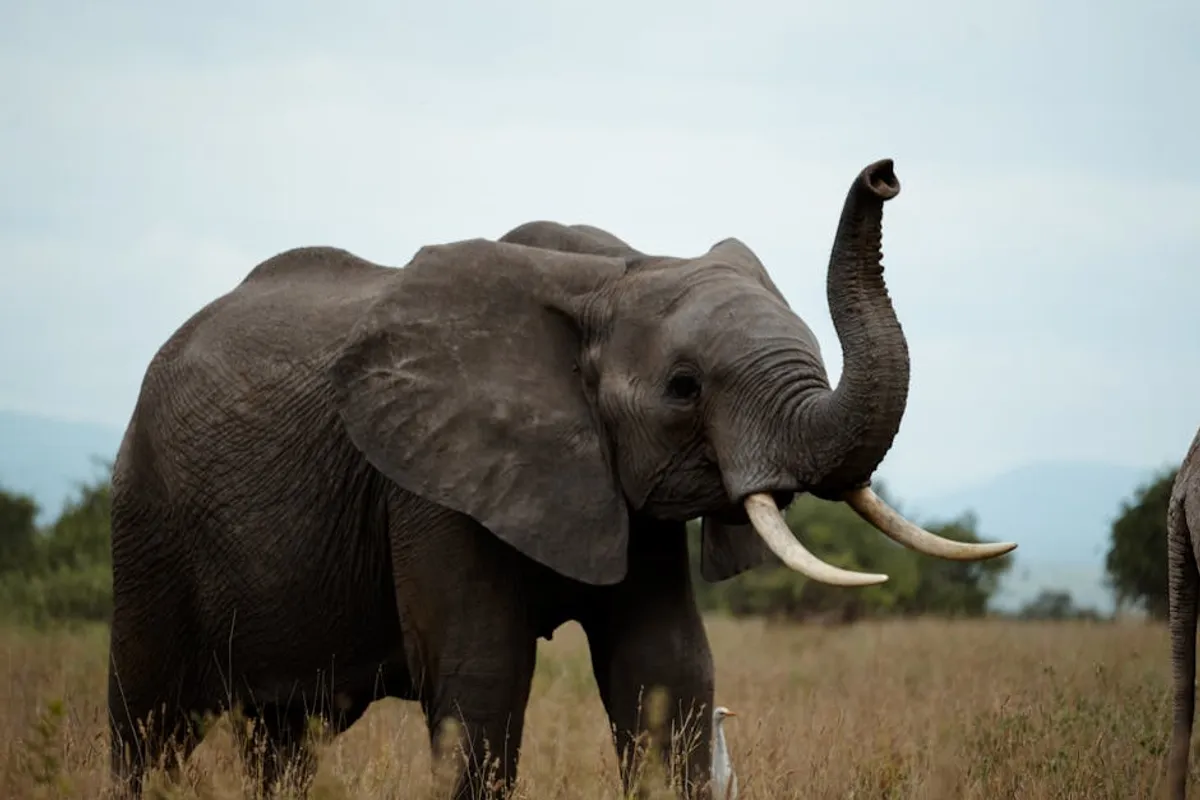
For SEO professionals, marketers, and content strategists, integrating factual, compelling information into campaigns is crucial for driving engagement and authority. Wildlife conservation, a topic with inherent emotional appeal and global significance, offers a rich vein of data points to captivate audiences. However, not all facts are equally impactful or strategically useful. This compilation presents key wildlife conservation facts, selected for their relevance in content creation, audience resonance, and potential for driving specific marketing objectives. Each entry details the fact's utility, its advantages for content development, potential challenges in its deployment, and a concise verdict on its strategic value, enabling informed decisions for impactful environmental storytelling.
How to Evaluate Wildlife Conservation Facts for Content Strategy
Selecting the most effective wildlife conservation facts for your content requires a strategic approach. Consider the following criteria to maximize impact and relevance:
- Audience Relevance: Does the fact resonate with your target demographic's existing knowledge, values, or concerns? A fact about local endangered species might engage a regional audience more than a global statistic.
- Data Verifiability: Ensure the fact is backed by credible scientific sources (e.g., IUCN, WWF, academic journals). Verifiable data builds trust and authority.
- Emotional Resonance: Facts that evoke empathy, wonder, or urgency tend to be more memorable and shareable. Consider the emotional arc your content aims to achieve.
- Actionability: Does the fact naturally lead to a call to action, a solution, or a broader discussion about impact? Facts that inspire next steps are often more powerful.
- Uniqueness and Novelty: While foundational facts are important, surprising or less-known statistics can capture attention and differentiate your content from competitors.
- Narrative Potential: Can the fact be woven into a compelling story? Strong narratives enhance engagement and retention, making complex information accessible.
1. Biodiversity Hotspots: Concentrated Life Under Threat
Biodiversity hotspots are specific regions identified by conservation scientists as holding exceptionally high levels of endemic species, while simultaneously facing severe threats of habitat destruction. Globally, 36 such areas exist, collectively harboring over half of the world's plant species and 42% of all terrestrial vertebrate species, yet they cover only 2.5% of Earth's land surface. This concentration of life and threat makes them critical focal points for conservation efforts and a powerful narrative for content illustrating the fragility and importance of specific ecosystems.
Best For: Content focused on targeted conservation initiatives, geographical storytelling, fundraising campaigns for specific regions, and discussions on global ecological responsibility. It provides a concrete, localized hook for broader environmental topics.
Pros: Clearly defines areas of high impact for conservation messaging; offers specific geographical anchors for content; allows for deep dives into unique species and ecosystems, appealing to niche interests within the broader conservation audience; provides a strong case for concentrated resource allocation.
Cons: Requires detailed geographical and biological context to be fully understood; may inadvertently draw attention away from conservation needs in non-hotspot regions; the sheer number of species can be overwhelming without specific examples.
Verdict: An excellent fact for demonstrating the critical nature of specific regions in the global biodiversity crisis, ideal for campaigns seeking to highlight focused efforts and the disproportionate value of certain ecological zones.
2. The Sixth Mass Extinction: An Unprecedented Crisis
The Earth is currently experiencing its sixth mass extinction event, a period characterized by an extinction rate of species that is 100 to 1,000 times higher than the natural background rate observed in the fossil record. Unlike previous mass extinctions caused by geological or astronomical events, this current crisis is predominantly driven by human activities, including habitat destruction, climate change, pollution, and overexploitation of resources. This fact provides a stark, urgent narrative for content addressing the scale and human responsibility in the biodiversity crisis.
Best For: High-impact awareness campaigns, educational content on environmental ethics, sustainability reports, and calls to action for policy change or consumer behavior shifts. It provides a foundational, urgent context for all conservation discussions.
Pros: Commands immediate attention due to its severity and historical context; offers a clear, urgent narrative for linking various environmental issues to a single, overarching crisis; highlights human culpability, encouraging reflection on societal impact and potential solutions.
Cons: Can be perceived as overly negative or alarmist if not balanced with solutions or hopeful perspectives; requires careful framing to avoid audience fatigue or desensitization; data can be complex and necessitate simplification without sacrificing accuracy.
Verdict: A foundational, high-stakes fact for content aiming to convey the gravity of the conservation challenge and motivate significant engagement, requiring a strategic balance between problem articulation and solution-oriented messaging.
3. Keystone Species: Disproportionate Ecological Impact
Keystone species are organisms that have a disproportionately large effect on their natural environment relative to their abundance. Their removal triggers a cascade of ecological changes, often leading to the collapse of entire ecosystems. Classic examples include sea otters, which control sea urchin populations, preventing them from destroying kelp forests; and wolves in Yellowstone, whose reintroduction led to trophic cascades that revitalized riparian ecosystems. This concept illustrates the intricate web of life and the critical role individual species can play.
Best For: Educational content on ecological principles, storytelling about interconnectedness in nature, explaining the ripple effects of species loss, and advocating for the protection of specific, high-impact species. It provides clear, understandable examples of ecological balance.
Pros: Offers compelling, easy-to-understand examples of ecological impact; highlights the value of species beyond their individual existence; provides a strong narrative for the importance of biodiversity and ecosystem health; can simplify complex ecological concepts for a general audience.
Cons: Identifying true keystone species can be complex and sometimes debated in scientific circles; focusing too heavily on a few species might inadvertently diminish the perceived importance of others; requires careful explanation to avoid oversimplification of ecosystem dynamics.
Verdict: A highly effective fact for illustrating the interconnectedness of ecosystems and the profound consequences of species loss, particularly useful for demonstrating the broader benefits of protecting specific animals.
4. Habitat Loss: The Foremost Driver of Extinction
Habitat loss and degradation stand as the primary drivers of species extinction globally, accounting for an estimated 80% of terrestrial species extinction threats. This includes deforestation for agriculture (e.g., palm oil, soy, cattle ranching), urbanization, infrastructure development, and pollution. The destruction or fragmentation of natural environments directly removes the living spaces and resources essential for species survival, leading to population declines and eventual extinction. This fact emphasizes the direct physical impact of human expansion on biodiversity.
Best For: Campaigns advocating for sustainable land use, responsible consumption, corporate accountability in supply chains, and policy changes related to zoning and development. It provides a clear, tangible link between human activity and environmental degradation.
Pros: Directly links human actions to species loss, making the impact clear and relatable; offers concrete examples (deforestation, urbanization) that audiences can visualize; provides a strong basis for discussing sustainable alternatives and responsible consumer choices; highlights the need for protected areas.
Cons: Can feel overwhelming due to the vast scale of the problem; requires specific examples to avoid being too abstract; solutions often involve complex socio-economic and political challenges that can be difficult to address in short-form content.
Verdict: A fundamental fact for any conservation content, providing a direct and undeniable explanation for species decline, especially potent when paired with specific case studies of threatened habitats or industries.
5. Illegal Wildlife Trade: A Multi-Billion Dollar Criminal Enterprise
The illegal wildlife trade is estimated to be a multi-billion dollar criminal enterprise, generating between $7 billion and $23 billion annually. This makes it the fourth largest illicit global trade after drugs, arms, and human trafficking. It drives countless species to the brink of extinction, fueled by demand for exotic pets, traditional medicine ingredients, luxury goods, and bushmeat. This fact reveals the organized crime aspect of biodiversity loss and the significant financial incentives driving poaching and smuggling.
Best For: Content exposing environmental crime, advocating for stronger enforcement and anti-poaching efforts, raising awareness about consumer demand for illegal products, and highlighting the link between conservation and security issues. It presents a compelling, often dramatic, narrative.
Pros: Unveils the dark, criminal side of conservation, which can be highly engaging; provides a clear financial scale of the problem, underscoring its severity; offers a distinct angle for content beyond habitat loss or climate change; resonates with audiences interested in justice and crime prevention.
Cons: Can be graphic or disturbing, requiring careful content warnings; solutions often involve international cooperation and law enforcement, which can seem distant to individual consumers; risk of sensationalism if not handled with sensitivity and accuracy.
Verdict: An impactful fact for content aiming to shock and inform, particularly effective for campaigns focused on policy change, consumer behavior, and the often-overlooked criminal dimensions of environmental destruction.
6. Climate Change: Shifting Habitats and Species Stress
Climate change is fundamentally altering ecosystems by causing shifts in temperature, precipitation patterns, and extreme weather events, forcing species to adapt, migrate, or face extinction. Iconic examples include polar bears losing critical hunting grounds due to melting sea ice, and widespread coral bleaching events caused by rising ocean temperatures. This fact highlights how global atmospheric changes translate into direct, often devastating, impacts on individual species and entire biomes.
Best For: Content explaining the tangible effects of climate change on specific species and ecosystems, advocating for climate action, promoting sustainable energy, and illustrating the interconnectedness of global environmental challenges. It provides clear, visual examples of a complex problem.
Pros: Directly links a globally recognized crisis (climate change) to biodiversity loss; offers clear, often visually compelling examples (melting ice, bleached corals); provides a strong basis for discussing mitigation and adaptation strategies; resonates with audiences already concerned about climate change.
Cons: Can be perceived as a long-term, abstract problem, making immediate action seem less urgent; requires careful explanation to connect global phenomena to local impacts; risks audience fatigue if not presented with fresh angles or solutions.
Verdict: Essential for content bridging climate action and biodiversity conservation, particularly effective when illustrating the direct, observable consequences of global warming on vulnerable species and their habitats.
7. Ocean Plastic Crisis: A Threat to Marine Life
An estimated 8 to 12 million metric tons of plastic enter the world's oceans annually, creating vast accumulation zones and directly impacting over 700 marine species. This plastic pollution leads to entanglement, ingestion, and habitat degradation, causing injury, starvation, and death. Microplastics, smaller fragments, further permeate the food web, posing potential risks to human health. This fact underscores the pervasive and lasting damage of human waste on marine ecosystems.
Best For: Campaigns promoting reduced plastic consumption, advocating for improved waste management and recycling infrastructure, educating on microplastic impacts, and supporting marine conservation efforts. It provides a highly visible and relatable environmental problem.
Pros: Highly visual and emotionally resonant (e.g., images of entangled animals); directly links everyday consumer choices to environmental harm; offers clear, actionable solutions for individuals (reduce, reuse, recycle); provides a strong basis for discussions on circular economy and product design.
Cons: The scale of the problem can feel overwhelming; solutions require systemic changes beyond individual actions; risks appearing repetitive if not presented with new data, innovative solutions, or specific case studies.
Verdict: A powerful fact for content targeting consumer behavior and advocating for policy changes in waste management and product design, particularly effective due to its visual impact and clear link to everyday actions.
8. Rewilding Initiatives: Restoring Ecosystem Processes
Rewilding is a progressive approach to conservation that focuses on restoring natural processes and, in some cases, reintroducing apex predators or keystone species to degraded ecosystems. Successful examples include the reintroduction of bison to parts of North America, lynx to areas of the UK, and the restoration of natural river flows. These initiatives aim to create self-sustaining ecosystems that require minimal human intervention, demonstrating nature's capacity for recovery and the broader benefits of ecological restoration.
Best For: Content highlighting hopeful conservation success stories, promoting nature-based solutions, advocating for ecosystem restoration projects, and educating on the long-term benefits of ecological health beyond individual species protection. It offers a positive, forward-looking narrative.
Pros: Provides an optimistic and proactive angle on conservation; showcases tangible success stories, inspiring hope and engagement; highlights the broader benefits of healthy ecosystems (e.g., carbon sequestration, water purification); offers a framework for discussing innovative conservation strategies.
Cons: Can be complex to implement, involving significant land area and stakeholder cooperation; results may take decades to fully manifest, making immediate impact harder to demonstrate; public perception of apex predator reintroduction can be challenging.
Verdict: An excellent fact for content seeking to inspire and demonstrate practical, long-term conservation solutions, particularly useful for showcasing the positive outcomes of proactive ecological management.
9. Citizen Science: Public Participation in Data Collection
Citizen science projects, where members of the public contribute to scientific research, are increasingly vital for wildlife conservation. Platforms like eBird, iNaturalist, and various local initiatives collect millions of valuable data points on species distribution, behavior, and population trends. This crowdsourced data significantly augments professional research efforts, providing broader geographical and temporal coverage than traditional methods alone. This fact emphasizes the power of collective action and public engagement in scientific discovery and conservation monitoring.
Best For: Content promoting community involvement in conservation, educational outreach, showcasing innovative data collection methods, and demonstrating the impact of individual contributions to large-scale scientific endeavors. It offers a participatory and empowering narrative.
Pros: Empowers individuals to directly contribute to conservation science; generates vast quantities of data that would otherwise be unattainable; fosters a sense of community and shared purpose among participants; provides a tangible entry point for public engagement in environmental issues.
Cons: Data quality can vary, requiring robust validation protocols; requires effective project management and user-friendly platforms; may not be suitable for all types of ecological data collection, particularly those requiring specialized skills or equipment.
Verdict: A compelling fact for content focused on community engagement, educational initiatives, and the democratization of scientific research, particularly effective for demonstrating how collective action translates into measurable conservation impact.
10. Economic Value of Ecosystem Services: Nature's Free Benefits
Ecosystem services are the numerous benefits that nature provides to humanity, often without a direct market price, yet holding immense economic value. Examples include wetlands filtering water (saving billions in treatment costs), forests regulating climate and preventing erosion, and pollinators supporting over $200 billion in global agriculture annually. This fact reframes conservation from an expense to an investment, highlighting the tangible financial and societal benefits of healthy ecosystems.
Best For: Content targeting business leaders, policymakers, and economically-minded audiences; advocating for green infrastructure, sustainable development, and corporate social responsibility; demonstrating the return on investment for conservation efforts. It provides a strong, financially-driven argument for environmental protection.
Pros: Offers a compelling economic argument for conservation, appealing to a broader audience beyond environmentalists; provides concrete financial figures that resonate with decision-makers; helps quantify the often-invisible benefits of nature; supports arguments for natural capital accounting.
Cons: Valuing nature can be controversial and complex, with ethical debates around commodification; figures can be estimates and vary widely, requiring careful sourcing; may oversimplify the intrinsic value of nature beyond its utility to humans.
Verdict: A highly effective fact for content aiming to persuade economic stakeholders and policymakers, providing a practical, financially grounded rationale for investing in environmental protection and sustainable practices.
11. Species Recovery Success Stories: Bouncing Back from the Brink
Despite the ongoing biodiversity crisis, numerous species have been brought back from the brink of extinction through dedicated conservation efforts, offering powerful narratives of hope and perseverance. Notable examples include the California Condor, Black-footed Ferret, Giant Panda, and the American Bald Eagle. These successes demonstrate that conservation interventions, when well-funded and strategically implemented, can reverse species decline and restore populations. This fact provides crucial counter-narratives to the often-dire news in conservation.
Best For: Inspirational content, fundraising appeals, demonstrating the effectiveness of conservation organizations, and celebrating milestones in species protection. It offers a positive, solutions-oriented perspective on conservation challenges.
Pros: Inspires hope and demonstrates that conservation efforts are effective; provides compelling, emotionally resonant stories of triumph; showcases the tangible results of scientific research and dedicated human effort; can motivate continued support and engagement.
Cons: Risks creating a false sense of security or downplaying the overall crisis if not balanced with the broader challenges; recovery often involves decades of intensive, costly work, which may not be immediately apparent; each success story is unique and may not be easily replicable.