
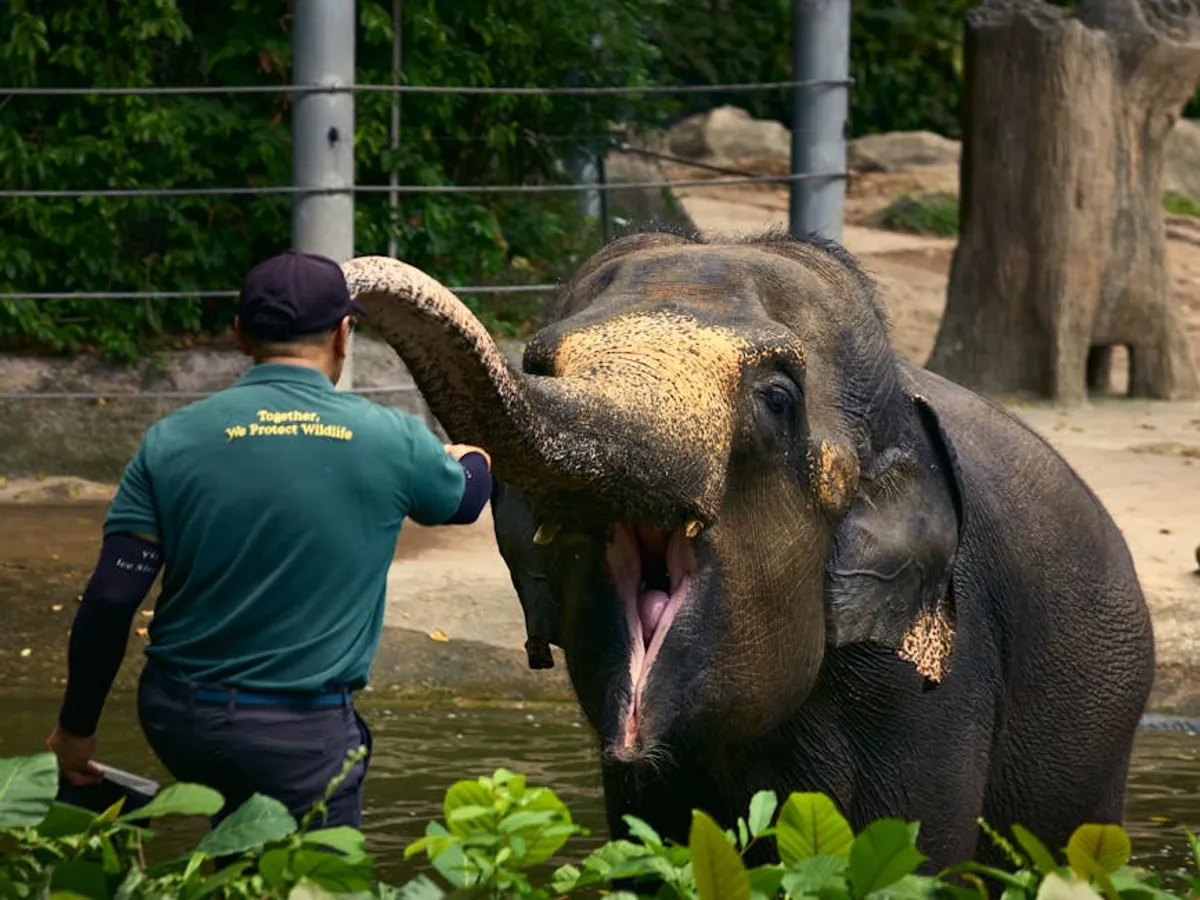
India's largest zoological park, the Arignar Anna Zoological Park in Vandalur, Chennai, represents a significant case study in large-scale wildlife management, public engagement, and biodiversity conservation. For professionals tracking major attractions, content opportunities, or logistical planning for high-volume public spaces, understanding its operational scope and multifaceted role is essential. This facility, often referred to simply as Vandalur Zoo, operates as both a major tourist destination and a critical center for species preservation and environmental education. Its scale and comprehensive approach provide insights into the complexities of maintaining diverse animal populations within a semi-natural environment, while also catering to millions of visitors annually.
Arignar Anna Zoological Park: Key Facts and Scale
The Arignar Anna Zoological Park stands as the largest zoo in India by area, spanning approximately 602 hectares (1,490 acres). Established initially in 1855 in Chennai, it was relocated to its current expansive site in Vandalur in 1979 to accommodate growing animal populations and provide more naturalistic habitats. This relocation was a strategic move to transition from traditional cage-based exhibits to larger, open enclosures.
- Area: 602 hectares (1,490 acres)
- Location: Vandalur, Chennai, Tamil Nadu
- Establishment: Original zoo in 1855, current site opened in 1979
- Species Diversity: Houses over 2,300 animals across more than 160 species, including mammals, birds, reptiles, and amphibians.
- Key Attractions: Lion Safari, White Tiger Safari, Elephant Safari, Walk-through Aviary, Reptile House, Butterfly House, and an Aquarium.
The park's sheer size necessitates a well-developed internal infrastructure, including extensive walking paths, battery-operated vehicle services, and designated safari routes to manage visitor movement and access to different zones.
Habitat Design and Animal Welfare
Modern zoological park design emphasizes creating environments that mimic the natural habitats of their residents, a principle evident in Vandalur Zoo's approach. The park has progressively moved away from conventional caging to spacious, moated enclosures that provide animals with more room for movement, natural substrates, and opportunities for species-specific behaviors. This design philosophy serves multiple purposes:
Enrichment: Habitats incorporate elements like varied terrain, water bodies, climbing structures, and natural vegetation to stimulate animals mentally and physically. This reduces stress and promotes healthier behaviors.
Visitor Experience: Larger, more naturalistic enclosures offer visitors a more immersive and educational viewing experience, allowing them to observe animals in settings closer to their wild counterparts. The use of hidden barriers and moats enhances this perception of natural interaction.
Biodiversity Support: The extensive land area allows for the creation of diverse micro-habitats, supporting not only the exhibited animals but also local flora and fauna within the park's boundaries. This includes significant green cover and water bodies that attract migratory birds and other wild species.
Travel Logistics and Visitor Experience
As a major public attraction, understanding the travel and visitor experience at Vandalur Zoo is crucial for any commercial or marketing analysis. The park is situated approximately 31 kilometers from Chennai city center, making it accessible via various modes of transport.
Accessibility
Road: Well-connected by road, located directly on the National Highway 45 (NH45), also known as the Grand Southern Trunk Road. Public buses, taxis, and ride-sharing services are readily available from Chennai.
Rail: The nearest railway station is Vandalur, which is a suburban station. Major long-distance trains arrive at Chennai Central or Egmore stations, from where visitors can take local trains or road transport.
Air: Chennai International Airport (MAA) is approximately 15-20 kilometers away, offering both domestic and international connections. Taxis and airport shuttles provide direct access to the zoo.
Visitor Facilities and Services
The park provides a range of amenities designed to accommodate large crowds and enhance the visitor experience:
- Entry & Tickets: Multiple ticket counters, online booking options, and separate gates for different types of entry (e.g., general admission, safari).
- Internal Transport: Battery-operated vehicles and bicycles for rent are available to navigate the vast park, especially useful for families or those with mobility challenges.
- Food & Beverage: Several canteens, kiosks, and designated picnic areas are spread throughout the park.
- Restrooms & First Aid: Strategically located facilities ensure convenience and safety.
- Educational Centers: Interpretive displays, signage, and dedicated education centers provide information about animals and conservation efforts.
Pro Tip: To maximize the visitor experience and avoid peak crowds, plan your visit on weekdays, especially during morning hours. Weekends and public holidays see significantly higher footfall, which can impact queue times for safaris and entry, as well as the overall viewing experience. Arriving shortly after opening allows for cooler temperatures and more active animal sightings.
Conservation and Research Initiatives
Beyond its role as a public attraction, Arignar Anna Zoological Park is a critical hub for wildlife conservation and scientific research. Its programs contribute to both ex-situ (off-site) and in-situ (on-site) conservation efforts.
Breeding Programs
The zoo participates in various coordinated breeding programs for endangered species, both nationally and internationally. Notable successes include the breeding of White Tigers, Lion-tailed Macaques, and various species of deer and antelopes. These programs aim to maintain genetically healthy populations to prevent extinction and potentially reintroduce animals into the wild when conditions permit.
Rescue and Rehabilitation
The park operates a dedicated rescue and rehabilitation center for injured, orphaned, or confiscated wild animals. This facility provides veterinary care, temporary shelter, and, where possible, prepares animals for release back into their natural habitats. It also serves as a long-term home for animals deemed unfit for release.
Research and Education
Collaborations with universities and research institutions are common, focusing on animal behavior, nutrition, genetics, and veterinary science. The zoo also runs extensive educational programs for school children and the general public, aiming to foster environmental awareness and a sense of responsibility towards wildlife conservation. These programs include workshops, guided tours, and interactive exhibits.
Maximizing Engagement and Impact
For marketers and content strategists, the Arignar Anna Zoological Park offers multiple avenues for engagement. Its status as India's largest zoo provides inherent appeal for travel and tourism content, focusing on unique experiences like safaris and diverse animal collections. Beyond tourism, the park's conservation and research work presents opportunities for educational content, highlighting biodiversity protection, scientific advancements, and community involvement. Understanding the visitor journey, from accessibility to on-site facilities, allows for targeted content creation that addresses practical needs while promoting the broader mission of wildlife preservation.
Frequently Asked Questions
Q: What are the operating hours of Arignar Anna Zoological Park?
A: The zoo is typically open from 9:00 AM to 5:00 PM, remaining closed on Tuesdays. It is advisable to check the official website for any seasonal changes or public holiday schedules.
Q: Is photography allowed inside the zoo?
A: Yes, photography is generally permitted for personal use. However, there may be restrictions on flash photography in certain enclosures to avoid disturbing the animals, and commercial photography often requires special permission and fees.
Q: How much time should I allocate for a visit?
A: Given its vast size and numerous attractions, a full visit to Arignar Anna Zoological Park typically requires 4-6 hours to explore comfortably, especially if you plan to experience the safaris and walk-through exhibits.
Q: Are there facilities for children and families?
A: Absolutely. The zoo is very family-friendly, offering amenities such as stroller rentals, dedicated play areas, children's educational programs, and family-oriented dining options. Battery-operated vehicles are also available to reduce walking distances for younger visitors.