
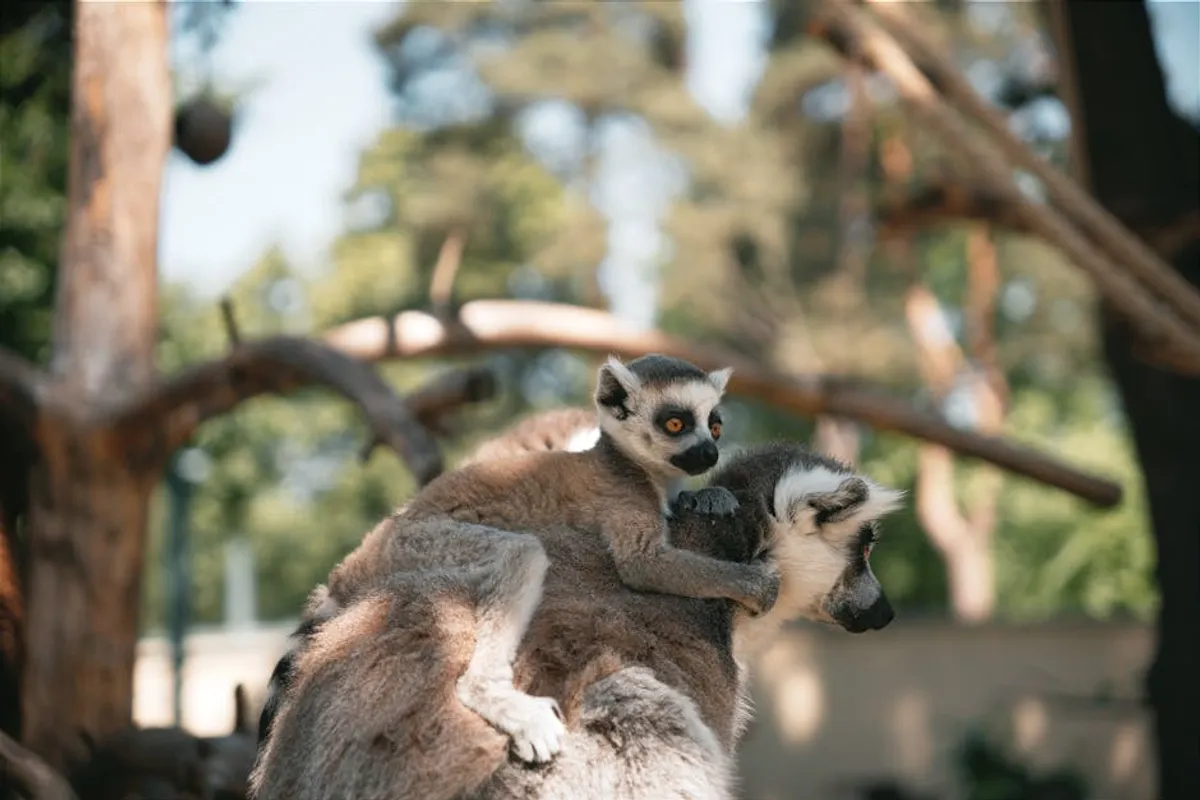
For content creators, marketers, and publishers, developing material about specific wildlife, especially endangered species like lemurs of Madagascar, requires a commitment to accuracy and ethical representation. Misinformation or poorly sourced content can undermine credibility, confuse audiences, and inadvertently harm conservation efforts. Responsible learning means engaging with verified data, understanding scientific consensus, and accurately portraying the complex ecological and social dynamics of these primates. This approach not only builds authority for your content but also contributes positively to public understanding and potential support for conservation initiatives.
Establishing Foundational Knowledge Sources
Accessing reliable information is the first step in responsible content development. Prioritize sources that are peer-reviewed, institutionally backed, or directly involved in conservation and research.
Academic and Scientific Databases
Peer-reviewed journals offer the most rigorous and current scientific understanding. Databases like PubMed, Google Scholar, and university library portals provide access to studies on lemur biology, genetics, behavior, and ecology. Focus on articles published within the last 5-10 years for the most up-to-date findings, but also consult foundational texts for historical context.
Key resources: University research papers, ecological journals, primatology studies.
Reputable Conservation Organizations
Organizations dedicated to lemur conservation in Madagascar and globally often publish reports, fact sheets, and educational materials. These groups frequently conduct fieldwork, fund research, and manage local conservation projects, making their data highly relevant and grounded in practical experience. They often provide insights into current threats and ongoing solutions.
Best for: Current conservation status, project updates, field-level insights.
Government and International Bodies
Official bodies like the International Union for Conservation of Nature (IUCN) provide critical data, such as the Red List of Threatened Species, which details the conservation status of every known lemur species. Other international agreements, like the Convention on International Trade in Endangered Species of Wild Fauna and Flora (CITES), regulate trade and offer legal frameworks relevant to protection. These sources provide authoritative classifications and legal contexts.
Essential for: Conservation status, legal frameworks, global policy context.
Understanding Lemur Biology and Ecology
Accurate content requires a detailed understanding of the species, their environment, and their interactions.
Species Identification and Classification
Madagascar hosts over 100 known lemur species and subspecies, each with unique characteristics and ecological roles. Precise identification is crucial; avoid generalized statements about "lemurs" when discussing specific traits. Learn the scientific names (genus and species) alongside common names to ensure clarity and accuracy, especially when referencing specific behaviors, diets, or habitats. For instance, the ring-tailed lemur (Lemur catta) has distinct social structures compared to the indri (Indri indri). This level of detail is especially vital when discussing the endangered lemurs of Madagascar and their specific conservation needs.
Habitat and Geographic Distribution
Lemurs are endemic to Madagascar, but their distribution varies significantly across the island's diverse ecosystems—from dry deciduous forests in the west to rainforests in the east and spiny forests in the south. Understanding specific habitat requirements for different species (e.g., nocturnal vs. diurnal, arboreal vs. terrestrial) prevents misrepresentation of their natural environment. Geographic specificity adds valuable context to any content. Understanding these habitat specificities provides a richer context for anyone learning about Madagascar wildlife.
Behavioral Patterns and Social Structures
Researching diet, daily routines, communication methods, and social group dynamics provides depth. Some lemur species live in large, complex social groups, while others are solitary. Dietary habits range from frugivorous to insectivorous or folivorous. Presenting these details accurately enriches content and avoids anthropomorphic interpretations of animal behavior. For example, female dominance in ring-tailed lemurs is a well-documented social trait.
Pro Tip: Cross-Reference Information
Always verify critical facts across at least two independent, reputable sources. Scientific understanding evolves, and even well-intentioned sources can contain outdated or misinterpreted information. This practice significantly reduces the risk of propagating inaccuracies in your content.
Addressing Conservation Status and Threats
Responsible learning includes understanding the precarious situation many lemur species face and the factors contributing to their decline.
IUCN Red List Categories
Familiarize yourself with the IUCN Red List categories (e.g., Critically Endangered, Endangered, Vulnerable, Near Threatened) and what each designation signifies. Over 90% of lemur species are threatened with extinction, making this context paramount for any content discussing them. Citing the specific IUCN status for each species discussed adds authority and urgency.
Major Threats
Content should accurately reflect the primary threats to lemurs, which include:
- Habitat loss and fragmentation due to deforestation for agriculture, charcoal production, and logging.
- Climate change impacts, such as altered rainfall patterns and increased extreme weather events.
- Illegal hunting for bushmeat and the pet trade, often driven by poverty and lack of alternative livelihoods.
- Human-wildlife conflict, particularly in areas where lemurs raid crops.
Understanding the interconnectedness of these threats provides a more complete narrative.
Conservation Initiatives
Highlighting ongoing conservation efforts, both local and international, offers a balanced perspective and potential calls to action. This includes habitat protection, reforestation projects, community-based conservation programs, anti-poaching efforts, and sustainable development initiatives that benefit both humans and lemurs. Mentioning specific successful projects or organizations provides concrete examples.
Ethical Content Creation and Representation
Beyond factual accuracy, responsible learning extends to how information is presented to an audience.
Avoiding Anthropomorphism and Misinformation
Resist the temptation to attribute human emotions, motivations, or characteristics to lemurs. While engaging, anthropomorphism distorts scientific understanding and can lead to unrealistic expectations or misinterpretations of their behavior. Focus on observed facts and scientific interpretations. Similarly, avoid perpetuating myths or unverified anecdotes.
Sourcing and Citing Visuals
Use high-quality, ethically sourced imagery and video. Ensure visuals accurately represent the species and its natural habitat. Avoid content that appears staged, shows lemurs in unnatural settings (e.g., as pets), or depicts interactions that could be harmful or exploitative. Always credit photographers and videographers, and verify usage rights. Prioritize visuals from research expeditions or reputable wildlife photographers.
Promoting Sustainable Tourism and Support
If your content touches on tourism, emphasize responsible eco-tourism practices that benefit local communities and do not disturb wildlife. Provide information on how audiences can support legitimate conservation efforts, whether through donations to verified organizations, responsible travel choices, or advocating for policy changes. Avoid promoting activities that could inadvertently harm lemurs or their habitats.
Continuous Learning and Engagement
The field of primatology and conservation is dynamic. New research emerges, and conservation statuses can change. Stay informed by regularly checking updates from primary sources, following leading researchers on academic platforms, and subscribing to newsletters from key conservation organizations. Engaging with scientific discourse ensures your content remains current and authoritative.
Practical Content Application Strategies
Integrating responsible learning into your content strategy enhances its value and impact. Frame your research around specific content goals, whether it's creating detailed species profiles, addressing conservation challenges, or crafting narratives about Madagascar's unique biodiversity. By prioritizing verified sources and ethical representation, you build trust with your audience and establish your content as a reliable resource. This commitment to accuracy not only elevates your brand but also contributes meaningfully to the broader conversation about lemur conservation.
Frequently Asked Questions
Why is responsible learning about lemurs important for content creators?
Responsible learning ensures factual accuracy, builds audience trust, and prevents the spread of misinformation, which is crucial for establishing authority and supporting genuine conservation efforts.
What are the primary threats to lemurs in Madagascar?
Major threats include habitat destruction from deforestation, the impacts of climate change, illegal hunting for bushmeat, the illicit pet trade, and human-wildlife conflict.
How can I ensure my content about lemurs is accurate and ethical?
Verify information using multiple reputable sources (academic journals, conservation organizations), avoid anthropomorphism, use ethically sourced and credited visuals, and promote sustainable practices.
Where can I find reliable information on lemur conservation status?
The IUCN Red List of Threatened Species is the authoritative source for conservation status, detailing the risk of extinction for each lemur species.