
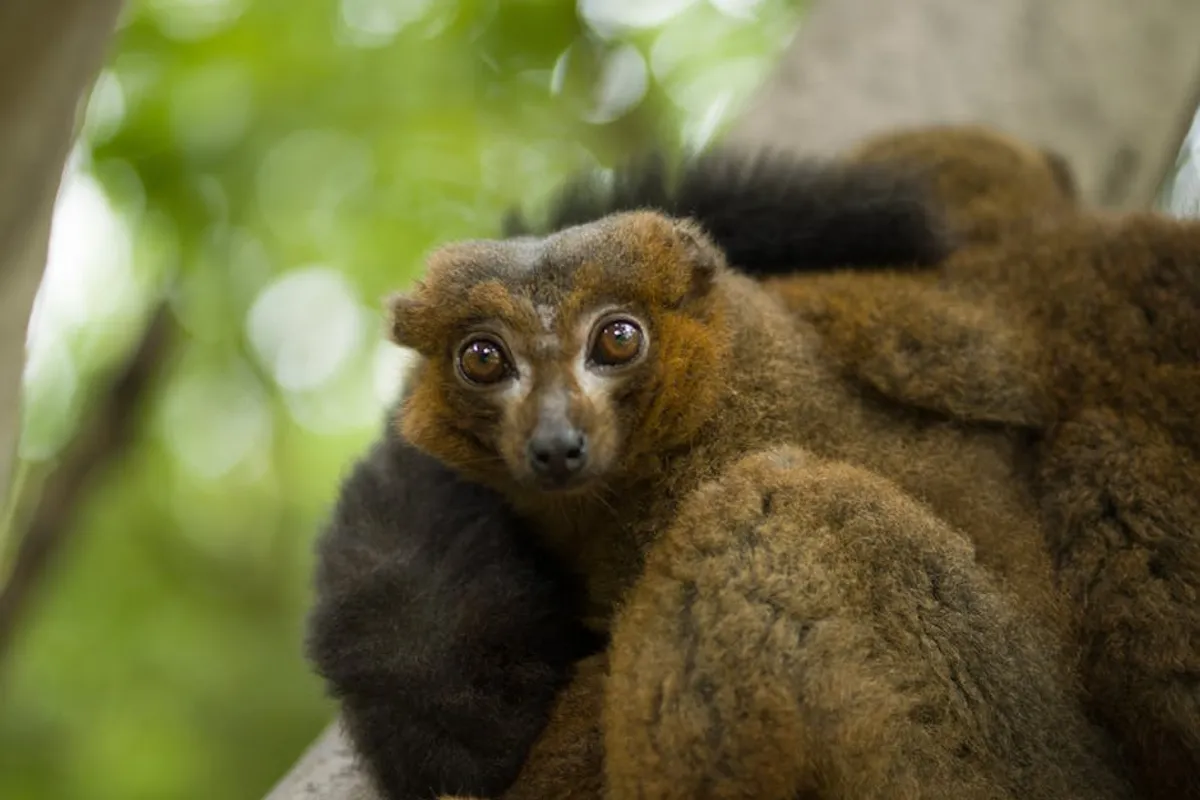
Madagascar, an island nation off the southeastern coast of Africa, serves as the exclusive natural habitat for lemurs, a diverse group of primates with evolutionary roots tracing back over 60 million years. This guide offers a foundational understanding of these unique creatures, covering their defining characteristics, the specific environmental factors that led to their isolation and diversification, and an overview of key species. For anyone seeking to grasp the fundamental aspects of lemur biology and their critical ecological role, this information provides a structured starting point, detailing why these primates are not just biologically fascinating but also globally significant for biodiversity. For anyone seeking to grasp the fundamental aspects of lemur biology and their critical ecological role, this information provides a structured starting point for understanding Madagascar's unique wildlife.
What Are Lemurs?
Lemurs are primates belonging to the suborder Strepsirrhini, distinct from monkeys and apes. Their evolutionary path diverged early, leading to a unique set of adaptations specifically suited to Madagascar's varied ecosystems. Unlike their mainland primate relatives, lemurs exhibit a range of behaviors and physical traits that have evolved in isolation, making them a prime example of adaptive radiation.
Defining Characteristics
Lemurs display a broad spectrum of physical attributes, but several common features unite them. They typically possess a wet nose (rhinarium) connected to their upper lip, enhancing their sense of smell, a trait shared with other strepsirrhine primates. Most species have a "tooth comb," a specialized arrangement of the lower incisors and canines used for grooming and sometimes for feeding. Their eyes are generally large, often adapted for nocturnal or crepuscular activity in many species. Locomotion varies widely, from arboreal quadrupedalism and vertical clinging and leaping to terrestrial walking. Their diets are equally diverse, encompassing fruit, leaves, insects, and even small vertebrates.
Key distinctions:
- Wet rhinarium: Enhanced olfaction.
- Tooth comb: Grooming and feeding.
- Variable activity patterns: Nocturnal, diurnal, cathemeral (active intermittently throughout day and night).
- Diverse locomotion: Reflects varied arboreal and terrestrial adaptations.
Evolutionary History
The prevailing scientific theory suggests that lemurs arrived in Madagascar via rafting from mainland Africa approximately 60-70 million years ago. This event, likely involving a small founder population, occurred during a period when the Mozambique Channel was narrower and ocean currents were favorable. Once on the island, free from competition with monkeys and apes, this ancestral lineage diversified into over 100 known species and subspecies. This process, known as adaptive radiation, allowed lemurs to fill a wide array of ecological niches, leading to the incredible variety observed today, from the mouse lemur (among the smallest primates) to the extinct giant lemurs that once weighed over 200 kilograms.
Madagascar's Unique Ecosystem
Madagascar's status as a biodiversity hotspot is intrinsically linked to its long geological isolation. This isolation has not only shaped the evolution of lemurs but also created the specific environmental conditions necessary for their survival and diversification.
Why Only Madagascar?
The island's separation from the African continent for millions of years created a natural laboratory for evolution. Without the presence of larger, more competitive primates (monkeys and apes) or significant predators like large felids, lemurs faced fewer ecological pressures. This allowed them to evolve into a multitude of forms, occupying niches that would otherwise be filled by other mammalian groups elsewhere in the world. The absence of these competitors meant that lemurs could exploit a broader range of food sources and habitats, leading to their unparalleled diversity on the island.
Habitat Diversity
Madagascar itself is characterized by an extraordinary range of habitats, each supporting different lemur species. These include:
Eastern rainforests: Dense, humid forests receiving high rainfall, home to species like the indri and various ruffed lemurs.
Western dry deciduous forests: Characterized by a long dry season, leading to trees shedding leaves, supporting sifakas and sportive lemurs.
Southern spiny forests: Arid regions dominated by drought-resistant, thorny plants, where ring-tailed lemurs and some sifaka species thrive.
Central highlands: Cooler, often deforested areas, with some relictual forest patches supporting specific populations.
This environmental mosaic directly contributes to the high endemism and specialization seen across lemur taxa.
Key Lemur Species for Beginners
Understanding lemur diversity begins with recognizing some of their most iconic and distinct representatives. Each species exemplifies different evolutionary paths and adaptations.
Ring-tailed Lemur (Lemur catta)
Distinguishing feature: Its long, bushy tail with alternating black and white rings, often held aloft like a flag.
Behavior: Primarily diurnal and highly social, living in groups (troops) of up to 30 individuals. Known for sun-bathing postures, sitting upright with arms outstretched.
Habitat: Southern and southwestern Madagascar, favoring dry deciduous forests, spiny forests, and gallery forests along rivers.
Diet: Omnivorous, consuming fruits, leaves, flowers, and insects.
Social structure: Female-dominated societies, a common trait among many lemur species.
Indri (Indri indri)
Distinguishing feature: The largest living lemur, with a short stubby tail and black and white fur patterns that vary geographically. Famous for its loud, haunting calls.
Behavior: Diurnal and arboreal, moving through the canopy by vertical clinging and leaping. Lives in small family groups.
Habitat: Eastern rainforests of Madagascar.
Diet: Primarily folivorous (leaf-eating).
Vocalizations: Their distinctive, melodious calls serve for territorial defense and group cohesion, audible for kilometers.
Sifaka (Propithecus spp.)
Distinguishing feature: Known for their unique upright posture and distinctive "dancing" locomotion across open ground, where they hop sideways on their hind legs. Fur color varies widely by species (e.g., silky sifaka is white, Verreaux's sifaka is white with dark patches).
Behavior: Diurnal and arboreal, excellent vertical clingers and leapers. Live in small to medium-sized groups.
Habitat: Found in various forest types across Madagascar, depending on the species, from dry deciduous to rainforests.
Diet: Primarily folivorous, but also consume fruits and flowers.
Aye-aye (Daubentonia madagascariensis)
Distinguishing feature: A highly specialized and unique lemur, characterized by continuously growing incisors, large ears, and an elongated, thin middle finger. It is the sole surviving species of its family.
Behavior: Strictly nocturnal and solitary. Uses its middle finger to tap on trees to locate insect larvae, then gnaws holes and extracts them.
Habitat: Rainforests and dry deciduous forests across Madagascar.
Diet: Primarily insectivorous (larvae), but also consumes fungi, fruits, and seeds.
Conservation status: Endangered, often persecuted due to local superstitions.
Pro Tip: When studying lemur species, pay close attention to their activity patterns (diurnal, nocturnal, cathemeral) and primary mode of locomotion. These two factors are often key indicators of their ecological niche and evolutionary adaptations to specific Madagascan habitats. For example, large body size often correlates with a folivorous diet, while smaller species tend to be more insectivorous or frugivorous.
Lemur Conservation Status
Despite their unique evolutionary history and ecological significance, lemurs are among the most endangered mammal groups globally. Their future is critically threatened by human activities.
Major Threats
The primary threats to lemur populations stem directly from human pressures:
Habitat loss and fragmentation: Deforestation for agriculture (especially slash-and-burn, or "tavy"), charcoal production, logging, and cattle grazing destroys their forest homes.
Hunting: Bushmeat hunting, though illegal, remains a significant threat in some regions, particularly for larger species.
Illegal pet trade: Demand for exotic pets contributes to the capture and removal of lemurs from the wild.
Climate change: Altered rainfall patterns, increased frequency of droughts, and rising temperatures impact food availability and habitat suitability.
Poverty and lack of enforcement: Socioeconomic factors often drive local communities to unsustainable practices, compounded by limited resources for conservation enforcement.
Conservation Efforts
Numerous organizations and initiatives are working to protect lemurs and their habitats. These efforts typically involve a multi-pronged approach:
Protected areas: Establishment and management of national parks and reserves to safeguard critical habitats.
Community engagement: Working with local communities to develop sustainable livelihoods that reduce reliance on destructive practices, such as ecotourism and sustainable agriculture.
Reforestation: Projects aimed at restoring degraded forest areas and creating ecological corridors.
Research and monitoring: Scientific studies to understand lemur ecology, population dynamics, and the effectiveness of conservation interventions.
Anti-poaching and law enforcement: Efforts to combat illegal hunting and trade.
Ex-situ conservation: Breeding programs in zoos and sanctuaries provide genetic safety nets and raise public awareness.
Understanding Lemur Diversity
Grasping the fundamentals of lemur biology and their ecological context provides a robust foundation for further study. The sheer diversity across species in terms of size, diet, social structure, and activity patterns highlights the power of adaptive radiation within an isolated environment. Recognizing the specific threats each species faces, alongside the concerted conservation efforts underway, underscores their precarious status and the global responsibility to protect these irreplaceable primates. This initial overview should enable a clearer appreciation of their significance within the broader scope of primate evolution and biodiversity conservation.
Frequently Asked Questions
Are lemurs monkeys?
No, lemurs are not monkeys. They belong to a distinct suborder of primates called Strepsirrhini, while monkeys are classified under Haplorrhini. Lemurs diverged much earlier in primate evolution and possess unique characteristics not found in monkeys, such as a wet nose and a tooth comb.
Why are lemurs only found in Madagascar?
Lemurs are endemic to Madagascar because their ancestors arrived on the island millions of years ago, likely by rafting from Africa. The island's subsequent isolation prevented other primate groups from colonizing, allowing lemurs to evolve and diversify without competition, filling a wide array of ecological niches.
What is the biggest threat to lemurs?
The biggest threat to lemurs is habitat loss and fragmentation, primarily driven by deforestation for agriculture, charcoal production, and logging. Hunting for bushmeat and the illegal pet trade also contribute significantly to their declining populations.
How many different species of lemurs exist?
Currently, there are over 100 recognized species and subspecies of lemurs. This number is subject to change as new research and genetic analyses sometimes lead to the reclassification or discovery of new taxa.