
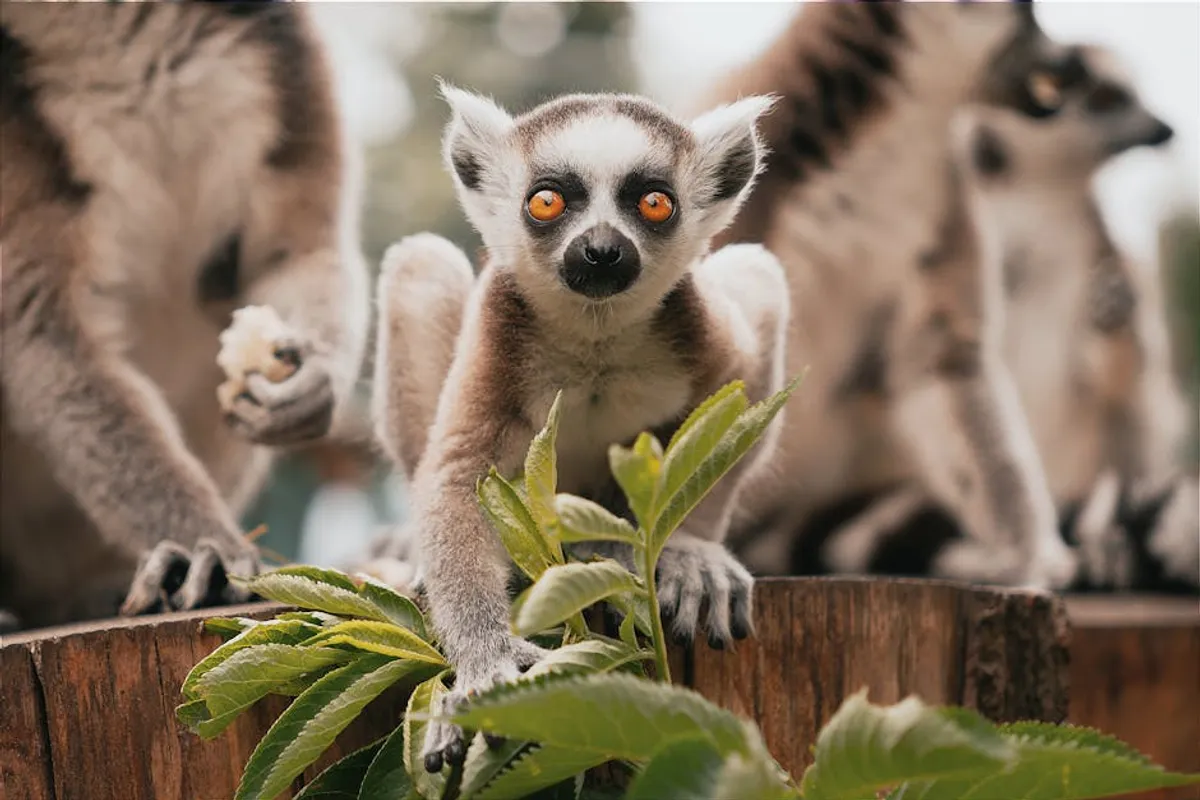
Engaging with Madagascar's unique lemur populations offers a compelling intersection of travel and ecological education. For individuals or organizations planning a visit, understanding the critical balance between experiencing these endemic primates and contributing positively to their conservation is paramount. This guide outlines the strategic considerations for developing an itinerary or educational program that maximizes both impact and insight, focusing on responsible tourism practices and deep dives into conservation efforts rather than superficial observation. This guide outlines the strategic considerations for developing an itinerary or educational program that maximizes both impact and insight, focusing on responsible tourism practices and deep dives into conservation efforts rather than superficial observation, specifically for endangered lemurs and their conservation.
Navigating Responsible Lemur Tourism
A successful lemur-focused expedition to Madagascar hinges on meticulous planning, particularly concerning ethical engagement and logistical efficiency. The objective is to facilitate encounters that are beneficial for both visitors and the local ecosystems.
Selecting Ethical Operators
Choosing a tour operator requires due diligence beyond price comparisons. Prioritize companies that demonstrate a verifiable commitment to local communities and conservation. This typically involves employing local guides, contributing a portion of profits directly to conservation projects, and adhering to strict low-impact tourism guidelines. Look for operators with transparent policies regarding wildlife interaction, ensuring that lemurs are observed in their natural habitats without disturbance or artificial feeding. These practices safeguard the animals' welfare and provide a more authentic, educational experience.
Prime Seasons and Locations for Observation
The optimal time to observe lemurs generally spans from May to October, coinciding with Madagascar's dry season, which offers more comfortable trekking conditions and active lemur behavior. Specific parks offer distinct lemur species and ecological experiences:
- Andasibe-Mantadia National Park: Renowned for the Indri, the largest living lemur, known for its distinctive call. This park is accessible from Antananarivo and offers dense rainforest habitats.
- Ranomafana National Park: A biodiversity hotspot in the southeastern rainforests, home to the critically endangered Golden Bamboo Lemur and Greater Bamboo Lemur. Its mountainous terrain provides challenging but rewarding treks.
- Isalo National Park: Characterized by its dramatic sandstone formations and open grasslands, contrasting with the rainforests. It is an excellent location for observing Ring-tailed Lemurs and Verreaux's Sifakas in more arid environments.
- Anja Community Reserve: A community-managed forest near Ambalavao, famous for its dense population of Ring-tailed Lemurs. This reserve exemplifies successful local conservation efforts.
- Berenty Reserve: A private reserve in the south, offering reliable sightings of Ring-tailed Lemurs and Sifakas, often in close proximity. While more accessible, evaluate its conservation approach carefully.
Each location presents unique opportunities for observation and learning, requiring tailored planning for access and accommodation.
Logistical Preparation and Accommodation
Madagascar's infrastructure can be challenging. Internal flights are often limited, and road conditions vary significantly. Planning for sufficient travel time between destinations is crucial. Accommodation options range from basic guesthouses to eco-lodges. Prioritize lodges that implement sustainable practices, such as solar power, waste management, and water conservation, further aligning with an ethical travel ethos. Securing necessary permits for national park entry and guided treks should be arranged in advance, often through your chosen tour operator or directly with park authorities.
Pro Tip: Verify any tour operator's stated conservation contributions. Look for transparent reporting or direct partnerships with established conservation NGOs. A genuine commitment often involves more than just a percentage of profits; it includes active participation in local projects and community engagement, providing tangible benefits to both wildlife and people.
Integrating Educational Depth with Your Visit
Beyond observation, a meaningful engagement with Madagascar's lemurs involves understanding their ecological significance and the urgent need for their protection. This transforms a trip into a profound educational experience.
Understanding Lemur Diversity and Threats
Madagascar is home to over 100 species and subspecies of lemurs, all endemic to the island. Each species occupies a specific ecological niche, contributing to the island's unique biodiversity. Educational components should cover their evolutionary history, behavioral ecology, and the severe threats they face, primarily habitat loss due to deforestation for agriculture and charcoal production, as well as hunting. Integrating expert-led discussions or field lectures can deepen this understanding, providing context to observations.
Contributing to Conservation Efforts
Visitors can play a direct role in conservation. Financial contributions through park fees and ethical tour operators are a baseline. Beyond this, consider opportunities to participate in citizen science projects, such as lemur monitoring or habitat restoration initiatives. Many local and international NGOs operate in Madagascar, offering volunteer programs that provide hands-on experience in conservation. Engaging with these programs can offer invaluable educational insights into practical conservation challenges and solutions.
Resources for Pre- and Post-Trip Learning
To maximize the educational value, encourage pre-trip research and post-trip reflection. Recommended resources include:
- Academic journals focused on primatology and conservation biology.
- Reports from leading conservation organizations (e.g., WWF, WCS, Lemur Conservation Foundation).
- Documentaries and books by naturalists and researchers specializing in Madagascar's wildlife.
- University-led research projects often publish accessible summaries of their findings.
These resources provide a scientific foundation, enhancing the appreciation for the complex ecological systems observed during the trip.
Essential Practicalities for a Madagascar Expedition
Thorough preparation for health, safety, and cultural considerations ensures a smooth and enriching experience.
Health and Safety Protocols
Consult a travel health professional well in advance of your trip. Vaccinations for Hepatitis A and B, Typhoid, and Tetanus are typically recommended. Malaria prophylaxis is essential for most regions. Carry a comprehensive first-aid kit, including any personal medications. Travel insurance with medical evacuation coverage is highly advisable due to limited advanced medical facilities. Stay informed about local safety advisories and exercise caution, particularly in urban areas.
Cultural Sensitivity and Engagement
Madagascar's culture is rich and diverse, with unique customs and traditions (known as 'fady'). Respecting local norms, such as appropriate dress, asking permission before taking photos of people, and understanding burial traditions, is crucial. Learning a few basic Malagasy phrases can significantly enhance interactions with local communities, fostering goodwill and deeper cultural exchange. Supporting local artisans and businesses directly contributes to the economy and community well-being.
Packing for the Tropics
Pack lightweight, quick-drying clothing in neutral colors suitable for humid, tropical environments. Sturdy, waterproof hiking boots are essential for jungle treks. Include insect repellent with DEET or picaridin, sunscreen, a wide-brimmed hat, and a reusable water bottle to minimize plastic waste. A headlamp or flashlight is indispensable, as power outages are common. Binoculars are highly recommended for optimal lemur viewing.
Maximizing Impact and Insight from Your Journey
An expedition focused on Madagascar's lemurs offers more than just a vacation; it is an opportunity for profound learning and direct contribution to global biodiversity. By prioritizing ethical operators, engaging deeply with educational resources, and preparing thoroughly for the practicalities of travel, visitors can ensure their journey is both personally enriching and beneficial for the conservation of these extraordinary primates and their habitats. Active participation, informed decisions, and a respectful approach will define the success and lasting impact of your experience.
Frequently Asked Questions
What is the best time of year to see lemurs in Madagascar?
The dry season, from May to October, is generally considered the best time for lemur sightings due to more active behavior and favorable trekking conditions. However, some species are more active during the wet season (November to April), which also brings lush landscapes and baby lemurs.
Do I need special permits to visit national parks in Madagascar?
Yes, all visitors to national parks and reserves require permits, which typically include an entrance fee. These fees contribute directly to park maintenance and conservation efforts. Permits can often be arranged through your tour operator or purchased at park entrances.
How can I ensure my visit is ethical and supports conservation?
To ensure an ethical visit, choose tour operators with transparent conservation policies, support community-based tourism initiatives, hire local guides, and adhere strictly to park rules regarding wildlife interaction. Minimize your environmental footprint by reducing waste and conserving resources.
Are there opportunities to volunteer with lemur conservation projects?
Yes, several non-governmental organizations (NGOs) and research institutions in Madagascar offer volunteer opportunities focusing on lemur conservation, habitat restoration, and community development. These programs typically require a commitment of several weeks to months and often involve a program fee.