
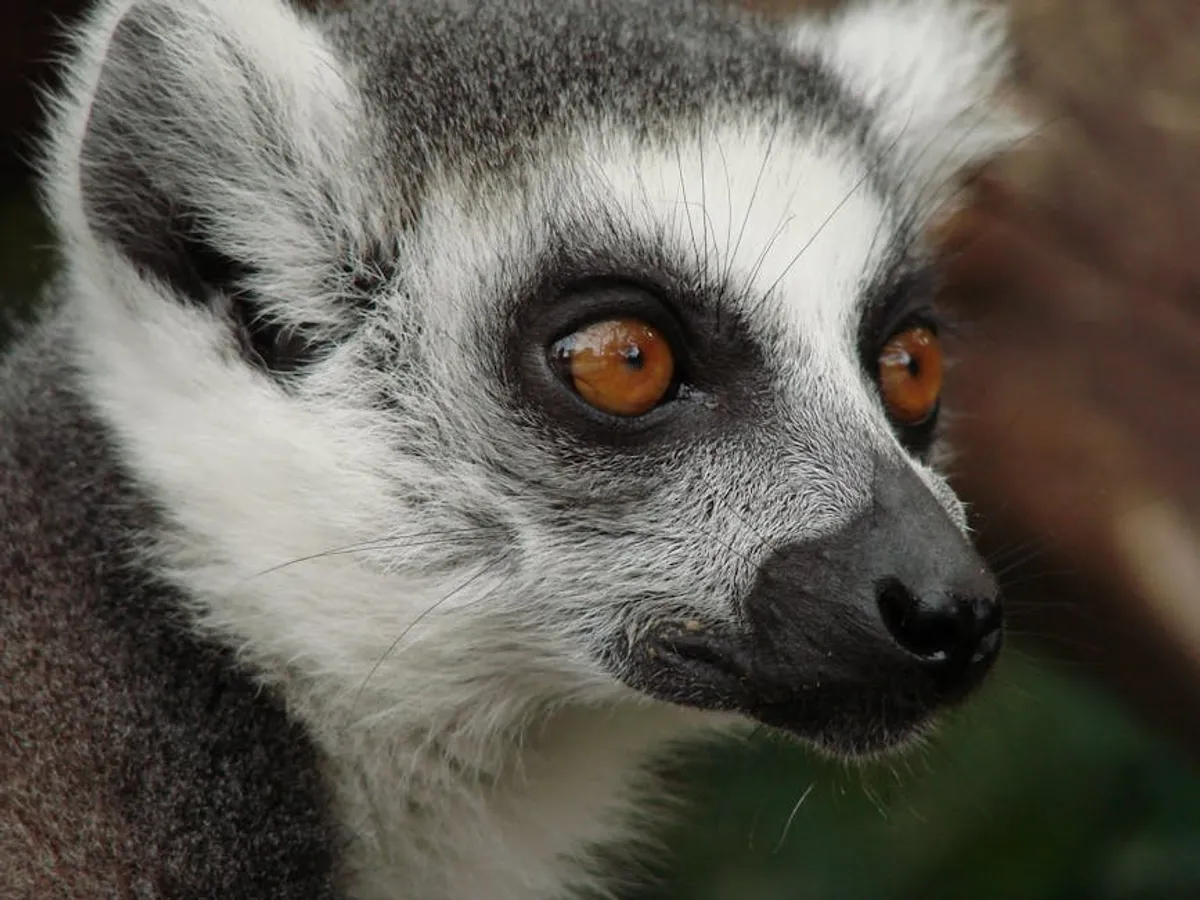
Embarking on a journey to observe endangered lemurs offers a unique opportunity to connect with one of the planet's most distinctive primate groups. This guide outlines the essential considerations for planning a responsible and impactful trip, emphasizing both the travel logistics and the educational avenues available. The primary goal is to facilitate experiences that prioritize the well-being of lemurs and their habitats, ensuring that tourism contributes positively to their long-term survival rather than inadvertently causing harm.
Planning Your Responsible Lemur Expedition
A successful and ethical lemur-focused trip requires meticulous planning, beginning with the selection of tour operators and a thorough understanding of local regulations. These initial steps are critical for ensuring your visit supports conservation objectives.
Selecting Ethical Tour Operators
Choosing the right tour operator is paramount. Prioritize companies that demonstrate a verifiable commitment to eco-tourism principles and lemur conservation. Look for operators who employ local guides, contribute a portion of their proceeds to conservation projects, and adhere to strict wildlife viewing protocols. Verifying their affiliations with recognized conservation organizations or local park authorities provides an additional layer of assurance regarding their ethical practices. Reputable operators often provide pre-trip educational materials outlining respectful wildlife interaction and cultural sensitivities, indicating a deeper commitment beyond mere logistics.
Understanding Permits and Regulations
Access to national parks and protected areas where lemurs reside is strictly regulated. Visitors typically require permits, which are often arranged through tour operators or obtained directly from park offices. These permits serve multiple purposes: they control visitor numbers to minimize ecological impact, and the fees collected directly fund park management, anti-poaching efforts, and community development initiatives. Research specific park entry requirements well in advance, as some areas may have limited daily visitor quotas or require specialized permits for certain activities, such as night walks or research-focused visits. Non-compliance can result in fines and, more importantly, disrupt fragile ecosystems.
The Core of Conservation: Species and Habitats
Understanding the diversity of lemur species and the specific threats they face in their natural environments enhances the educational value of any trip. This knowledge informs how visitors can best contribute to their protection.
Key Lemur Species and Their Status
Madagascar hosts over 100 species and subspecies of lemurs, nearly all of which are endangered or critically endangered. Examples include the Ring-tailed Lemur (Lemur catta), known for its distinctive tail, often found in the dry forests of the south; the Indri (Indri indri), the largest living lemur, inhabiting eastern rainforests and recognized by its haunting call; and various species of Sifakas (Propithecus), famous for their vertical clinging and leaping locomotion. Each species faces unique threats, from habitat loss due to deforestation and agriculture to illegal pet trade and bushmeat hunting. Learning about these specific challenges helps contextualize conservation efforts on the ground. Observing lemur species found in madagascar is a unique experience.
Critical Habitats and Protected Areas
Lemurs are endemic to Madagascar, meaning they are found nowhere else on Earth. Their survival is intrinsically linked to the health of Madagascar's diverse ecosystems, including rainforests, dry deciduous forests, spiny forests, and wetlands. Key protected areas such as Andasibe-Mantadia National Park, Ranomafana National Park, and Kirindy Forest are vital strongholds for numerous lemur species. These parks are not merely tourist destinations but critical conservation zones where scientific research, habitat restoration, and anti-poaching patrols are actively conducted. Visiting these areas directly supports their ongoing protection through permit fees and local employment.
Pro Tip: Before booking, verify the tour operator's explicit policy on wildlife interaction. Ethical operators prioritize minimal disturbance, maintaining respectful distances, and never feeding or touching wild animals. Any operator encouraging direct physical interaction with lemurs should be avoided, as this habituates animals, making them vulnerable and disrupting natural behaviors.
Educational Engagement and Contribution
Beyond observation, travelers have opportunities to deepen their understanding of lemur conservation and actively contribute to their survival through various educational and support mechanisms.
On-Site Learning Opportunities
Many national parks and reserves offer interpretative centers, guided tours led by trained naturalists, and opportunities to interact with local researchers. These resources provide invaluable insights into lemur biology, local ecology, and the socio-economic challenges impacting conservation. Engaging with local guides, who often possess generational knowledge of the forest and its inhabitants, offers a unique cultural and educational exchange. Some parks also facilitate participation in citizen science projects, such as lemur identification or behavioral observation, allowing visitors to contribute directly to ongoing research data collection.
Supporting Local Conservation Efforts
Direct financial contributions to reputable conservation organizations working on the ground in Madagascar are a powerful way to support lemur protection. Many organizations focus on habitat restoration, community-based conservation, anti-poaching patrols, and environmental education for local populations. Beyond direct donations, purchasing locally made handicrafts or supporting community-run guesthouses and restaurants during your trip channels economic benefits directly to the communities living alongside lemur habitats, providing incentives for conservation and reducing reliance on unsustainable practices.
Minimizing Your Impact While Traveling
Responsible travel extends beyond financial contributions; it encompasses conscious choices and behaviors that minimize environmental footprint and cultural disruption.
Best Practices for Wildlife Viewing
Adhere strictly to guide instructions regarding proximity, noise levels, and photography. Avoid using flash photography, especially at night, as it can disorient nocturnal animals. Stay on designated trails to prevent habitat degradation and avoid disturbing ground-dwelling species. Never attempt to lure lemurs with food or mimic their calls, as this interferes with their natural foraging behaviors and can increase their vulnerability to predators or human conflict. The goal is to observe without altering their natural state or behavior.
Sustainable Travel Logistics
Consider the environmental impact of your travel choices. Opt for direct flights where possible to reduce carbon emissions. Choose accommodations that implement sustainable practices, such as water conservation, waste reduction, and renewable energy sources. Minimize plastic waste by carrying a reusable water bottle and refusing single-use plastics. Support local economies by purchasing goods and services from local vendors, ensuring your tourism dollars directly benefit the communities that coexist with lemurs. Following beginner tips for lemur conservation supports their well-being.
Sustaining Conservation Through Informed Travel
Traveling to see endangered lemurs is more than a vacation; it is an act of engagement with critical conservation challenges. By making informed choices, supporting ethical operators, respecting local regulations, and actively contributing to educational and conservation efforts, visitors become advocates for these unique primates. The long-term survival of lemurs depends on a global community that understands their plight and acts responsibly to protect their future. Your journey can be a powerful component of this collective effort, fostering both personal enlightenment and tangible conservation outcomes.
Frequently Asked Questions
When is the best time to visit Madagascar for lemur viewing?
The dry season, from May to October, is generally considered the best time for lemur viewing due to more predictable weather and easier access to parks. However, some species are more active during the wet season (November to April), which also brings lush landscapes and baby lemurs.
Are there any health precautions I should take before traveling?
Consult a travel health professional well in advance of your trip for advice on vaccinations (e.g., yellow fever, typhoid, hepatitis) and malaria prophylaxis. Pack insect repellent, sunscreen, and any necessary personal medications.
Can I volunteer with lemur conservation projects?
Yes, several organizations offer volunteer opportunities ranging from short-term research assistance to longer commitments in habitat restoration or community education. Research reputable programs that align with your skills and interests, ensuring they have a proven track record of ethical and impactful work.
How can I help lemur conservation from home?
Support organizations dedicated to lemur conservation through donations or by symbolically adopting a lemur. Educate others about the importance of lemurs and their unique ecosystem. Advocate for sustainable consumption practices that reduce demand for products contributing to deforestation in Madagascar.