
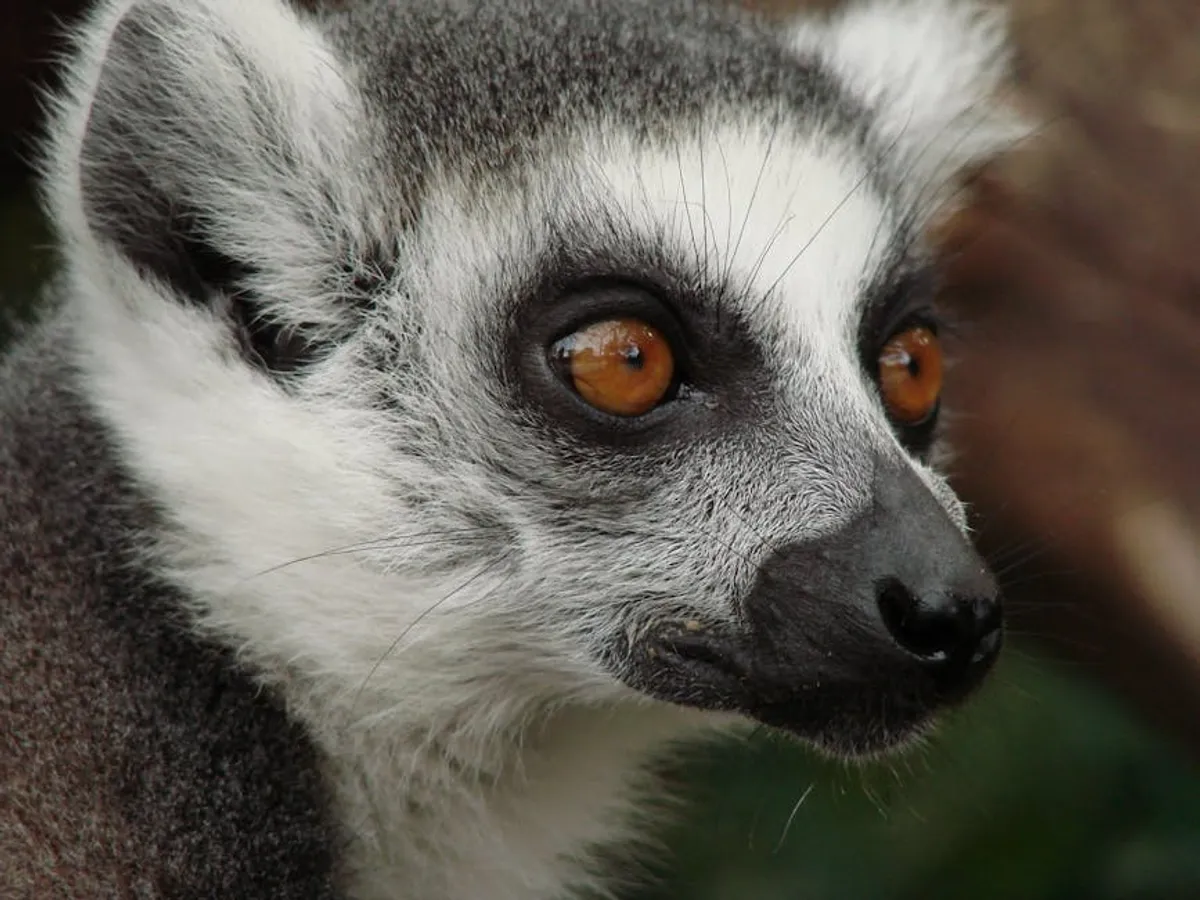
The plight of endangered lemurs extends beyond their charismatic appeal, representing a critical barometer for the health of one of Earth's most unique biodiversity hotspots. For conservation efforts, understanding why these primates matter is not merely an exercise in empathy but a strategic imperative. Their survival underpins complex ecological processes, signals broader environmental shifts, and holds significant economic and scientific value. Focusing on lemur conservation provides a tangible entry point into protecting entire ecosystems and the invaluable services they provide, impacting everything from local economies to global biodiversity stability. Their survival underpins complex ecological processes, signals broader environmental shifts, and holds significant economic and scientific value, making it clear why these primates matter for the region's future.
Ecological Keystone Species
Lemurs are not just inhabitants of their Madagascan forest homes; they are active architects of these environments. Their dietary habits and daily movements position them as keystone species, meaning their presence or absence disproportionately affects the structure and function of their ecosystem. The intricate web of life in Madagascar's forests relies heavily on these primates for essential services that contribute directly to forest health and resilience.
Seed Dispersal and Forest Regeneration
Many lemur species consume fruits, and the seeds within these fruits pass through their digestive tracts, often scarified and primed for germination. As lemurs move across the forest canopy and floor, they effectively plant these seeds in new locations, facilitating the dispersal of plant species. This process is crucial for forest regeneration, especially for trees with larger seeds that rely on animal vectors. Without lemurs, the distribution and density of many Madagascan plant species would drastically decline, leading to reduced forest cover and altered habitat structures. This has direct implications for carbon sequestration, soil stability, and water retention, all vital ecosystem services.
Pollination Services
While often associated with insects or birds, certain lemur species, particularly some nocturnal ones, act as significant pollinators. They visit flowers to feed on nectar, inadvertently transferring pollen between plants. This service is essential for the reproduction of various flowering plants, including some that are foundational to the forest ecosystem or hold potential medicinal value. The loss of lemur pollinators would disrupt the reproductive cycles of these plants, further diminishing biodiversity and the functional integrity of the forest.
Biodiversity Hotspot Indicators
Madagascar is renowned as a biodiversity hotspot, meaning it harbors a high concentration of endemic species facing severe threat. Lemurs, being entirely unique to the island, serve as a flagship group for this unparalleled biodiversity. Their conservation status offers a clear, measurable indicator of the overall health and stability of the island's natural systems.
Madagascar's Unique Ecosystem
Over 90% of Madagascar's wildlife is found nowhere else on Earth, a testament to millions of years of isolated evolution. Lemurs represent the most diverse group of primates on the island, with over 100 species and subspecies, each adapted to specific niches. Protecting lemurs means protecting the unique evolutionary history and genetic diversity that defines Madagascar. This preservation is critical for global biodiversity, as the loss of a Madagascan species represents an irreversible loss for the planet as a whole, diminishing the global genetic library and potential future resources.
Early Warning System for Environmental Health
The rapid decline of lemur populations acts as a stark early warning system for broader environmental degradation. Habitat loss, fragmentation, and climate change disproportionately affect these specialized animals. When lemur numbers drop, it signals significant disturbances in their ecosystems, such as deforestation, unsustainable resource extraction, or shifts in climate patterns. These environmental stressors ultimately impact human populations through reduced access to natural resources, altered weather patterns, and increased vulnerability to natural disasters. Monitoring lemur populations provides actionable data for conservationists and policymakers to address these underlying environmental threats.
Economic and Cultural Significance
Beyond their ecological roles, lemurs contribute tangible economic benefits and hold deep cultural significance, further cementing their importance in conservation strategies.
Ecotourism Revenue
Lemurs are a primary draw for ecotourism in Madagascar, attracting thousands of international visitors annually. This tourism generates substantial revenue, creating jobs for local communities as guides, park rangers, hospitality staff, and artisans. The economic incentive provided by ecotourism can be a powerful tool for conservation, demonstrating that living forests with thriving lemur populations can be more valuable than cleared land for agriculture or timber. Investing in lemur conservation directly supports these local economies and provides an alternative to destructive practices.
Indigenous Knowledge and Cultural Heritage
Lemurs are deeply woven into the cultural fabric and folklore of various Malagasy ethnic groups. Many species are considered sacred, playing roles in traditional beliefs, taboos (fady), and oral histories. This cultural connection fosters a sense of stewardship among local communities. Conservation efforts that integrate and respect indigenous knowledge and cultural heritage are often more sustainable and effective, as they build upon existing frameworks of respect for nature. The loss of lemurs would not only be an ecological tragedy but also a significant erosion of unique cultural identities and traditions.
Pro Tip: Effective conservation strategies for endangered species like lemurs must always integrate local community engagement. Sustainable solutions arise when the benefits of conservation are directly linked to the well-being and economic opportunities of the people living alongside these animals. Without local buy-in, even well-intentioned efforts risk failure due to conflicting priorities and resource needs.
Global Conservation Implications
The fight to save endangered lemurs carries implications that resonate far beyond Madagascar's borders, setting precedents and advancing scientific understanding that benefits global conservation efforts.
Precedent for Other Endangered Species
Successful lemur conservation initiatives provide valuable models and lessons for protecting other endangered species worldwide. The challenges faced in Madagascar—habitat destruction, climate change, human-wildlife conflict—are universal to many conservation landscapes. Strategies developed for lemurs, such as community-based conservation, reforestation, anti-poaching measures, and sustainable livelihood programs, can be adapted and applied to other critical ecosystems and species facing similar threats. Each success story with lemurs strengthens the overall framework for global biodiversity preservation.
Research and Scientific Advancement
Lemurs, as a diverse group of primates, offer unparalleled opportunities for scientific research in fields such as primatology, evolutionary biology, ecology, and behavioral science. Studying their unique adaptations, social structures, and responses to environmental changes provides critical insights into primate evolution and the resilience of ecosystems. This research contributes to a broader understanding of biodiversity and informs more effective conservation practices globally. The genetic and ecological information derived from lemur studies could also hold keys to future medical or agricultural advancements.
Actionable Steps for Lemur Conservation
Protecting endangered lemurs requires a multifaceted approach involving international collaboration, local community empowerment, and sustained commitment. Practical steps include:
- Supporting Protected Areas: Contributing to organizations that establish and manage national parks and reserves, which are critical refuges for lemur populations.
- Reforestation and Habitat Restoration: Funding initiatives that plant native trees and restore degraded forest corridors, reconnecting fragmented lemur habitats.
- Sustainable Livelihood Programs: Investing in projects that provide local communities with alternative, sustainable income sources, reducing reliance on destructive practices like slash-and-burn agriculture or illegal logging.
- Anti-Poaching and Law Enforcement: Supporting efforts to combat illegal wildlife trade and enforce conservation laws.
- Education and Awareness: Promoting understanding of lemur ecology and conservation needs among local populations and global audiences.
- Responsible Ecotourism: Choosing tour operators that adhere to ethical and sustainable tourism practices, ensuring benefits flow to conservation and local communities.
Frequently Asked Questions
Why are lemurs only found in Madagascar?
Lemurs evolved in isolation on Madagascar after their ancestors likely rafted to the island millions of years ago. The island's geographic isolation allowed them to diversify into numerous species without competition from other primates or large predators, making them endemic to this unique ecosystem.
What is the biggest threat to lemurs today?
The primary threat to lemurs is habitat loss and fragmentation, driven predominantly by deforestation for agriculture (especially slash-and-burn practices), charcoal production, and illegal logging. Climate change and unsustainable hunting also pose significant risks.
How many lemur species are endangered?
The vast majority of lemur species are considered endangered or critically endangered. Over 100 species and subspecies are recognized, and more than 90% are listed in one of the threatened categories by the IUCN Red List, highlighting the severe conservation crisis they face.
Can lemurs be found in zoos?
Yes, many zoos worldwide participate in breeding programs for various lemur species, often as part of international efforts to maintain genetic diversity and raise public awareness. However, these captive populations are a last resort, and the primary focus remains on protecting lemurs in their natural habitats.