
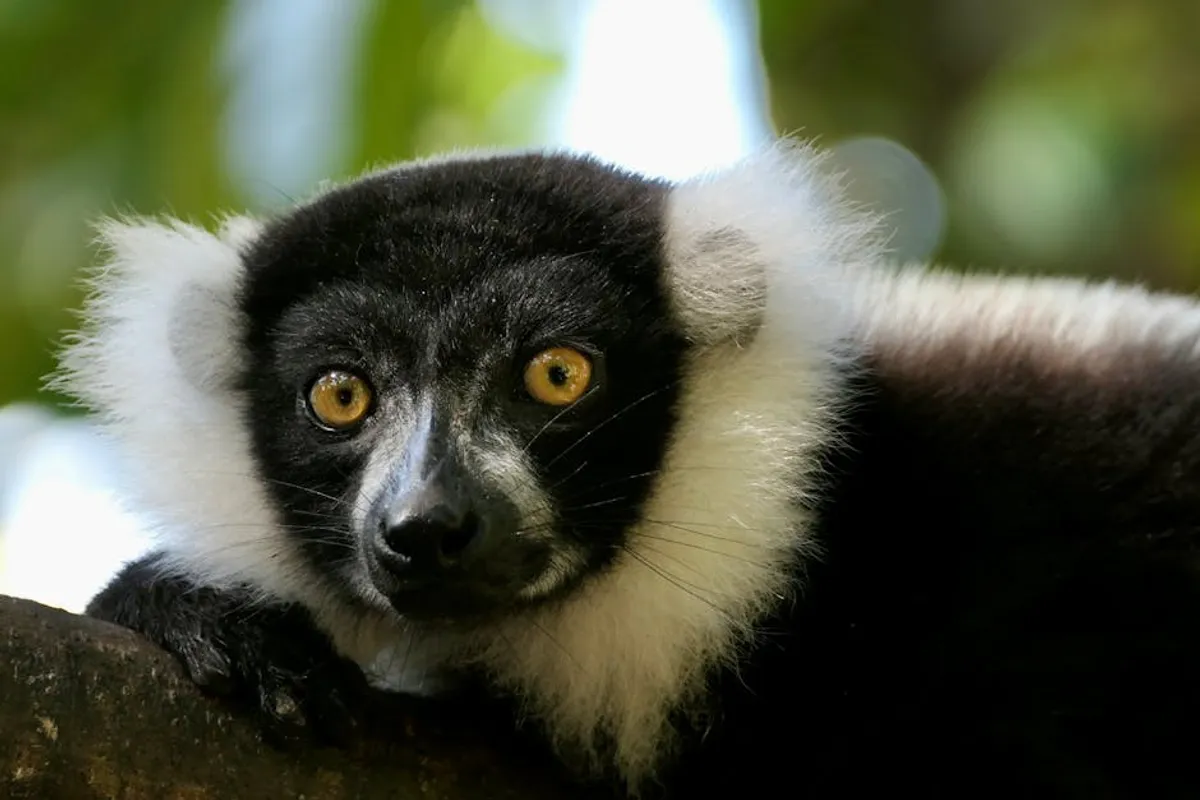
Understanding the complexities surrounding endangered lemurs offers significant opportunities for content creators, educators, and organizations aiming to engage audiences with critical biodiversity issues. For publishers and marketers, this isn't merely about conservation; it's about crafting compelling narratives that resonate, drive awareness, and ultimately, support actionable outcomes. This guide outlines the foundational knowledge necessary to approach the subject of endangered lemurs with accuracy and commercial utility, ensuring content is both informative and impactful. This guide outlines the foundational knowledge necessary for approaching the subject of endangered lemurs with accuracy and commercial utility, ensuring content is both informative and impactful.
Defining Endangered Lemurs
The classification of a lemur species as "endangered" stems from rigorous assessments by the International Union for Conservation of Nature (IUCN) Red List. This globally recognized system categorizes species based on their extinction risk. For lemurs, the primary categories of concern are Critically Endangered, Endangered, and Vulnerable.
- Critically Endangered (CR): Faces an extremely high risk of extinction in the wild. This designation often means a population reduction of 80-90% over ten years or three generations, or a very small population size (fewer than 50 mature individuals) with a continuing decline.
- Endangered (EN): Faces a very high risk of extinction in the wild. This typically involves a population reduction of 50-70% over ten years or three generations, or a population size of fewer than 250 mature individuals experiencing ongoing decline.
- Vulnerable (VU): Faces a high risk of extinction in the wild. This category indicates a population reduction of 30-50% over ten years or three generations, or a small population size (fewer than 1,000 mature individuals) with continued decline.
For content strategy, these classifications provide concrete data points. Referencing the IUCN status lends immediate credibility to articles, infographics, or campaigns, allowing for precise targeting of audiences interested in specific conservation challenges or species. It also helps in identifying which species require the most urgent attention, guiding content focus towards high-impact topics.
Primary Threats Driving Lemur Endangerment
The factors contributing to lemur endangerment are multifaceted, primarily anthropogenic. Understanding these threats is crucial for developing content that addresses root causes and potential solutions, moving beyond mere descriptive reporting.
Habitat Loss and Fragmentation
Deforestation remains the single greatest threat. Madagascar, lemurs' sole natural habitat, has lost over 90% of its original forest cover. This destruction is driven by:
- Slash-and-burn agriculture (tavy): A traditional farming method that clears land for crops but rapidly depletes soil nutrients, necessitating new clearings.
- Illegal logging: Demand for precious hardwoods like rosewood and ebony fuels illicit felling, often within protected areas.
- Charcoal production: As a primary energy source for cooking in Madagascar, charcoal demand leads to extensive tree felling, particularly near population centers.
- Mining: Small-scale and industrial mining operations destroy habitats and pollute water sources.
Content addressing habitat loss can focus on sustainable agriculture, alternative energy sources, and the economic benefits of intact forests, offering practical solutions rather than just highlighting the problem.
Hunting and Illegal Pet Trade
Lemurs are hunted for bushmeat, often due to food insecurity or cultural practices. The illegal pet trade also poses a significant threat, with young lemurs often captured for sale, leading to the death of their mothers and disruption of social groups. Content that educates about the illegality and cruelty of the pet trade, or promotes sustainable protein alternatives, can be highly effective.
Climate Change Impacts
Shifting rainfall patterns, increased frequency of droughts, and rising temperatures directly impact lemur food sources and water availability. This forces species to adapt rapidly or face starvation and reduced reproductive success. Articles on climate resilience, reforestation for carbon sequestration, or specific species' vulnerability to climate shifts can engage environmentally conscious audiences.
Pro Tip: When developing content around endangered species, avoid purely alarmist narratives. While highlighting the severity of threats is necessary, always pivot to actionable solutions, community efforts, or successful conservation stories. This approach fosters hope and encourages audience engagement rather than despair, making your content more shareable and impactful for driving donations or volunteer interest.
Spotlight on Critically Endangered Lemur Species
Focusing on specific, highly endangered species provides concrete examples that resonate more strongly with audiences than broad generalizations. Their unique stories offer compelling hooks for content.
- Northern Sportive Lemur (Lepilemur septentrionalis): One of the smallest lemurs, found only in a tiny fragment of dry forest in northern Madagascar. Its population is estimated to be fewer than 50 mature individuals, primarily threatened by habitat loss and hunting.
- Blue-eyed Black Lemur (Eulemur flavifrons): The only primate species other than humans known to have naturally blue eyes. Found in a small region of northwestern Madagascar, its habitat is severely fragmented by logging and charcoal production.
- Greater Bamboo Lemur (Prolemur simus): Specialized in eating bamboo, particularly the highly toxic bamboo shoots. Its survival is linked to the rapidly disappearing rainforests of southeastern Madagascar. Fewer than 500 individuals are believed to remain.
- Indri (Indri indri): Madagascar's largest living lemur, known for its distinctive, haunting call. Highly sensitive to habitat disturbance, it is threatened by deforestation and traditional hunting.
Developing deep-dive content on these species, including their unique adaptations, specific habitats, and the dedicated efforts to save them, provides valuable educational material and appeals to audiences interested in rare wildlife.
Conservation Strategies and Content Opportunities
Effective conservation efforts are diverse, offering numerous angles for content creation that can highlight positive impact and inspire action.
Protected Areas and National Parks
Establishing and maintaining national parks and reserves is fundamental for habitat protection. Content can explore the challenges of park management, the role of park rangers, or the unique biodiversity found within specific protected zones like Masoala National Park or Andasibe-Mantadia National Park.
Community-Based Conservation
Engaging local communities is vital. Projects that provide alternative livelihoods (e.g., sustainable vanilla farming, ecotourism), environmental education, or support reforestation initiatives empower local populations to become stewards of their natural resources. Case studies of successful community-led projects offer powerful human-interest stories.
Ecotourism Initiatives
Responsible ecotourism can provide economic incentives for conservation by demonstrating the tangible value of living lemurs and intact forests. Content can guide potential tourists on ethical travel practices, highlight specific ecotourism lodges, or showcase how tourist dollars directly fund conservation efforts. This offers a commercial pathway for travel-related publishers. Responsible ecotourism can provide economic incentives for conservation by demonstrating the tangible value of living lemurs and intact forests, offering a commercial pathway for travel-related publishers.
Practical Content Integration for Publishers
For publishers and content creators, integrating information about endangered lemurs requires a strategic approach to maximize reach and impact.
Keyword Research Strategy
Beyond broad terms like "endangered lemurs," focus on long-tail keywords that indicate specific user intent. Examples include "how to help blue-eyed black lemur," "threats to indri lemur habitat," "Madagascar conservation projects," or "sustainable tourism lemurs." Analyze search volume and competition for these terms to identify high-value content opportunities. Tools that analyze user questions can reveal direct information needs.
Visual Content Emphasis
High-quality photography and videography are indispensable. Lemurs are charismatic, and compelling visuals significantly increase engagement and shareability. Collaborate with wildlife photographers or conservation organizations for access to impactful imagery. Infographics detailing IUCN status, habitat loss statistics, or conservation project progress can simplify complex data for a wider audience.
Partnering for Impact
Collaborating with established conservation organizations, scientific researchers, or local NGOs provides access to expert insights, real-time data, and compelling field stories. These partnerships lend authority to your content and can open doors for cross-promotion, expanding your audience reach and reinforcing your brand's commitment to credible information.
Sustaining Engagement for Lemur Conservation
The fight to protect endangered lemurs is ongoing, and the role of well-researched, engaging content remains paramount. By focusing on accurate data, highlighting specific challenges and solutions, and leveraging compelling storytelling, publishers can contribute meaningfully to global awareness. This approach not only fulfills an ethical responsibility but also creates valuable, authoritative content that attracts and retains an audience interested in biodiversity, conservation, and sustainable practices. Continuous efforts in educating the public about these unique primates and their plight will drive greater support for critical conservation initiatives.
Frequently Asked Questions
How many lemur species are currently endangered?
The IUCN Red List classifies over 100 lemur species and subspecies, with more than 90% facing extinction. This includes a significant number listed as Critically Endangered, Endangered, or Vulnerable.
What is the single biggest threat to lemurs?
Habitat loss, primarily due to deforestation for agriculture, logging, and charcoal production, is the overwhelming primary threat to lemur survival.
Can individuals contribute to lemur conservation efforts?
Yes, individuals can contribute through various means, including donating to reputable conservation organizations, supporting ethical ecotourism in Madagascar, making sustainable consumer choices, and sharing accurate information about lemur conservation to raise awareness.
Which lemur species is considered the most critically endangered?
Several lemur species are listed as Critically Endangered, with some having populations of fewer than 50 mature individuals. Examples include the Northern Sportive Lemur and the Blue-eyed Black Lemur, both facing imminent extinction risks due to extreme habitat loss and other pressures.