
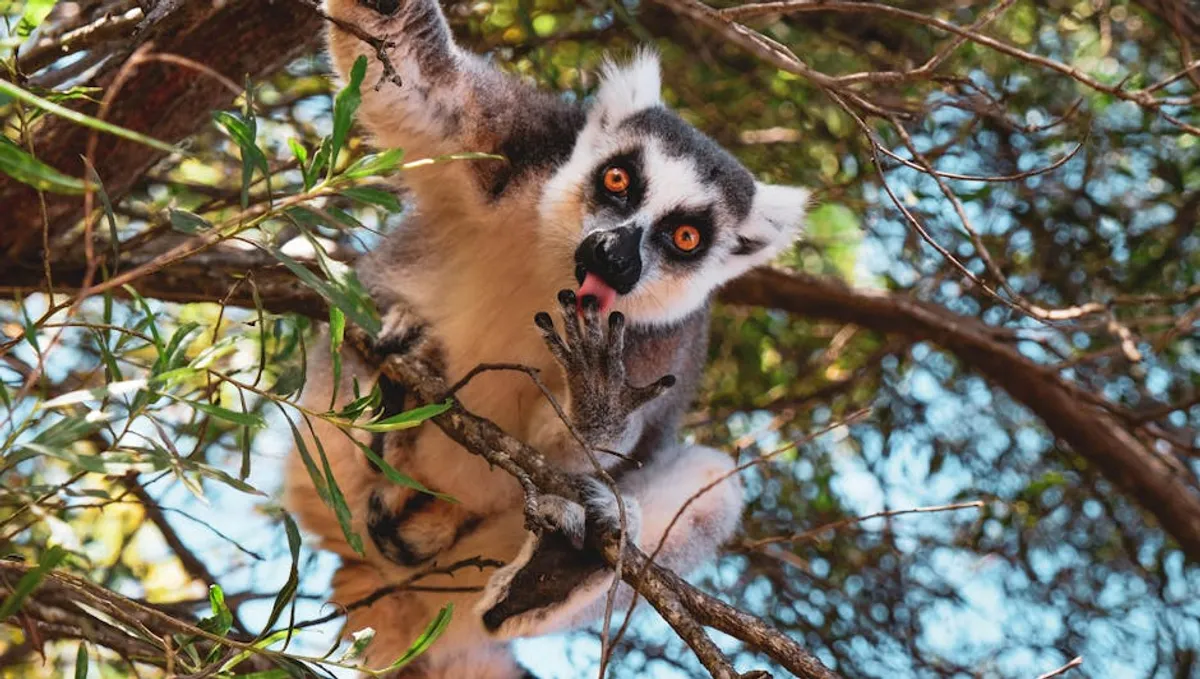
Madagascar, the world's fourth-largest island, stands as a crucible of evolution, harboring an extraordinary collection of flora and fauna found nowhere else on Earth. Its wildlife is not merely a regional curiosity; it represents a global ecological asset, critical for scientific advancement, environmental stability, and the potential for sustainable economic growth. Understanding why Madagascar's wildlife matters for conservation moves beyond purely ecological arguments, extending into the realms of global biodiversity resilience, bioprospecting opportunities, and the direct economic well-being of its human population. Among these, the island's charismatic lemurs are particularly vital for conservation awareness and research.
Unparalleled Biodiversity and Endemism
Madagascar's prolonged geological isolation, separated from the African mainland for approximately 160 million years, has fostered an evolutionary trajectory distinct from any other landmass. This isolation has resulted in an astonishing rate of endemism, where species have evolved in situ without external genetic influence, leading to unique adaptations and forms.
A Hotbed of Unique Species
The island boasts a staggering level of unique life. Over 90% of its reptiles, amphibians, and mammals are endemic, meaning they exist solely within Madagascar's borders. This includes all species of lemurs, the iconic primates that serve as a flagship for the island's biodiversity, alongside the fossa (Madagascar's largest carnivore), tenrecs, and chameleons. The plant kingdom mirrors this uniqueness, with over 80% of its flowering plants, including all seven species of baobab trees, found only here. The loss of any of these endemic species signifies an irreversible global extinction, underscoring the island's irreplaceable biological value.
Evolutionary Laboratories
For evolutionary biologists and geneticists, Madagascar functions as a living laboratory. The island's diverse ecosystems, ranging from spiny deserts to rainforests, have driven rapid speciation and adaptive radiation. Studying these unique evolutionary pathways provides invaluable insights into fundamental biological processes, adaptation to environmental changes, and the mechanisms that drive biodiversity. This scientific resource contributes directly to our understanding of life on Earth, offering potential applications in fields like medicine and agriculture through biomimicry and genetic research.
Ecosystem Services and Global Impact
The intricate web of life in Madagascar provides essential ecosystem services that extend far beyond its shores, influencing regional climate patterns and supporting human populations.
Ecological Stability and Climate Regulation
Madagascar's forests, particularly its eastern rainforests, play a crucial role in regulating local and regional climates. They act as significant carbon sinks, absorbing atmospheric carbon dioxide and mitigating climate change impacts. These forests also regulate hydrological cycles, influencing rainfall patterns and ensuring a consistent water supply for agricultural lands and human settlements. The intactness of these ecosystems directly correlates with their capacity to perform these vital services, which have global implications for climate stability and resource management.
Resource Provision for Local Communities
For the majority of the Malagasy population, natural resources are directly linked to daily survival and economic stability. Healthy ecosystems provide essential resources such as clean water, fertile soil for agriculture, timber for construction, and non-timber forest products like medicinal plants and food sources. The integrity of Madagascar's wildlife and their habitats is thus inseparable from the well-being and livelihood security of its people. Degradation of these natural systems directly jeopardizes local economies and increases vulnerability to environmental shocks.
Pro Tip: The economic value of Madagascar's biodiversity extends beyond direct resource extraction. The island's unique ecosystems provide invaluable ecosystem services, such as climate regulation and water purification, which have an unquantified but substantial global economic benefit. Investing in conservation here is an investment in global ecological stability.
Economic Imperatives: Ecotourism and Bioprospecting
Madagascar's unique wildlife offers significant potential for sustainable economic development through ecotourism and bioprospecting, directly linking conservation to national prosperity.
Ecotourism Potential
The allure of Madagascar's endemic wildlife, particularly its charismatic lemurs, attracts a growing number of international tourists. Ecotourism, when managed sustainably, provides a direct financial incentive for conservation by generating revenue that supports protected areas and local communities. This industry creates jobs for guides, park staff, and hospitality workers, channeling economic benefits back into regions where conservation efforts are most critical. The continued existence of Madagascar's unique species is the primary draw for this industry, making their preservation a commercially viable strategy.
Pharmaceutical and Scientific Discovery
Madagascar's biodiversity is a vast, largely unexplored repository of genetic and chemical compounds. Many endemic plants and animals possess unique biochemical properties that could hold the key to new pharmaceuticals, industrial materials, or agricultural solutions. Bioprospecting, the exploration of biological resources for commercial products, represents a significant, untapped economic opportunity. The potential discovery of a new drug or compound from a Malagasy species could generate substantial revenue, providing a powerful economic argument for protecting the island's unique biological heritage before it is lost.
Strategic Conservation Approaches
Effective conservation in Madagascar requires integrated strategies that address both ecological preservation and human development needs.
- Protected Area Expansion: Establishing and effectively managing national parks and reserves is fundamental to safeguarding critical habitats.
- Community-Based Conservation: Engaging local communities as active partners in conservation, empowering them with land rights and resource management responsibilities, ensures long-term sustainability.
- Sustainable Livelihoods: Promoting alternative economic activities that reduce reliance on destructive practices (e.g., sustainable agriculture, handicrafts, ecotourism micro-enterprises).
- Reforestation and Habitat Restoration: Active efforts to restore degraded landscapes, connecting fragmented habitats, and reintroducing native species.
- Environmental Education: Raising awareness among local populations and global audiences about the value of biodiversity and the importance of conservation.
Securing Madagascar's Natural Heritage
The wildlife of Madagascar is not merely a collection of animals and plants; it represents a unique and irreplaceable chapter in Earth's evolutionary story. Its preservation is essential for maintaining global biodiversity, advancing scientific understanding, and securing a pathway for sustainable economic development for the Malagasy people. The island's conservation challenges are complex, driven by poverty and resource scarcity, but the imperative to protect this natural heritage is clear. Strategic, collaborative efforts that integrate ecological protection with community well-being are fundamental to ensuring that Madagascar's unique wildlife continues to thrive, contributing to both local prosperity and the health of the planet.
Frequently Asked Questions
What makes Madagascar's wildlife so unique?
Madagascar's wildlife is unique due to its extreme endemism, meaning a vast majority of its species are found nowhere else on Earth. This resulted from millions of years of geological isolation, allowing species to evolve independently without external genetic influence, creating distinct and specialized forms.
Why is Madagascar considered a biodiversity hotspot?
Madagascar is considered a biodiversity hotspot because it possesses a very high level of endemic species and has experienced significant habitat loss. To qualify as a hotspot, an area must contain at least 1,500 species of endemic vascular plants and have lost at least 70% of its primary vegetation.
How does wildlife conservation benefit the local people in Madagascar?
Wildlife conservation directly benefits local communities by preserving ecosystem services like clean water and fertile soil, providing sustainable resources for livelihoods, and generating income through ecotourism. It also supports traditional knowledge and cultural heritage tied to the natural environment.
What are the biggest threats to Madagascar's wildlife?
The biggest threats to Madagascar's wildlife include habitat loss and deforestation driven by slash-and-burn agriculture, illegal logging, and charcoal production. Other significant threats are climate change, invasive species, and unsustainable hunting or harvesting of wild animals and plants.