
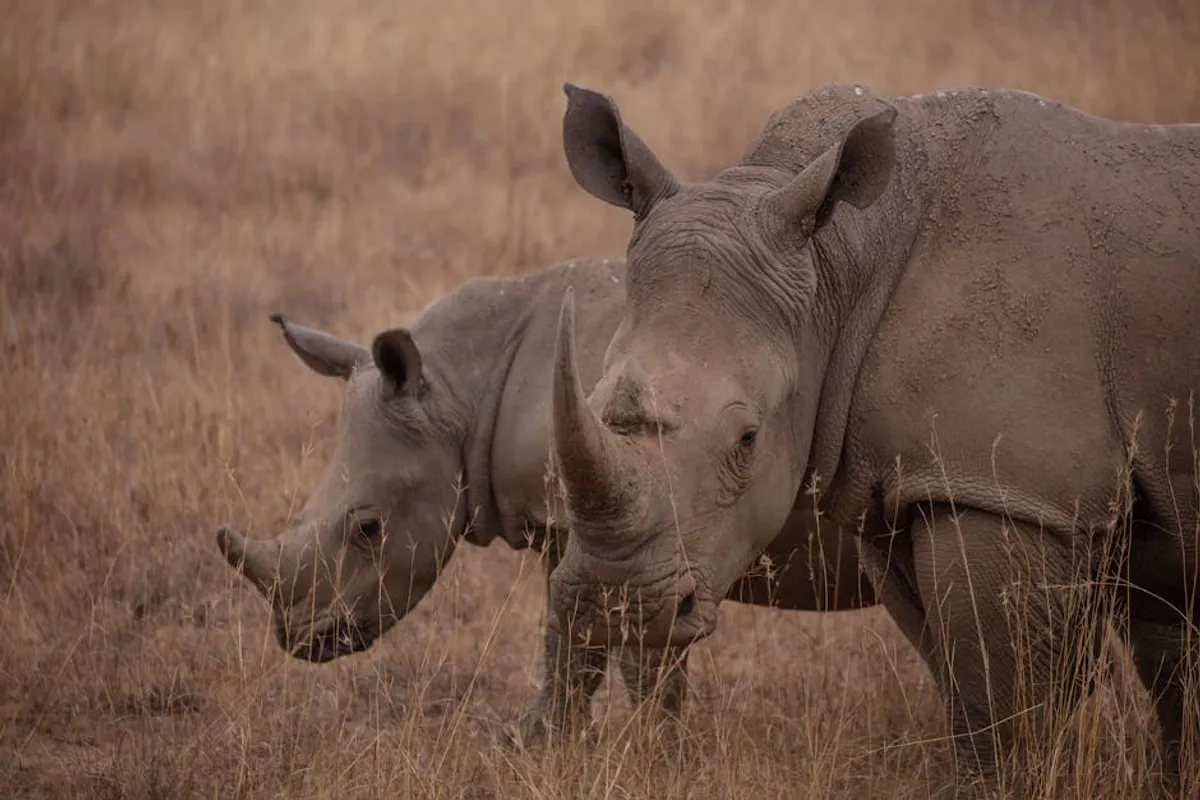
Wildlife conservation, often perceived as a niche environmental concern, is in fact a foundational pillar for the stability and functionality of all natural systems, directly impacting human economies, health, and societal well-being. Its importance extends far beyond the preservation of individual species; it safeguards the complex web of life that provides essential services and resources. For businesses, policymakers, and communities, understanding this systemic value is crucial for long-term planning, risk mitigation, and sustainable growth. The health of wildlife populations serves as a critical barometer for environmental health, signaling changes that can ultimately affect resource availability, supply chains, and public health.
The Foundational Role of Biodiversity
Biodiversity, the variety of life on Earth, is directly reflected in the abundance and diversity of wildlife. This biological richness is not merely aesthetic; it underpins critical ecosystem services that have quantifiable economic value and directly support human existence.
Ecosystem Services and Economic Value
Wildlife, from insects to apex predators, performs indispensable roles that translate into significant economic benefits. Pollinators, primarily insects and birds, are responsible for fertilizing a substantial portion of the world's food crops, with their services valued in the hundreds of billions of dollars annually. Similarly, healthy predator populations regulate pest species, reducing agricultural losses and the need for chemical pesticides. Wetlands, often supported by diverse aquatic life, filter water and mitigate floods. Forests, teeming with wildlife, regulate climate and prevent soil erosion. Disrupting these intricate biological relationships through wildlife loss leads to increased costs for artificial alternatives, diminished agricultural output, and greater vulnerability to environmental disasters.
Genetic Diversity as a Resource
The genetic diversity within and among wild species represents an invaluable, non-renewable resource. This genetic library holds the potential for future innovations in medicine, agriculture, and biotechnology. Wild relatives of domesticated crops, for instance, provide genes for disease resistance, drought tolerance, and enhanced nutritional value, crucial for food security in a changing climate. Pharmaceutical companies frequently investigate compounds derived from wild plants, fungi, and animals for new drug discoveries. The loss of a single species means the irreversible loss of a unique genetic blueprint, closing off potential solutions to future human challenges.
Wildlife as Bioindicators and Early Warning Systems
Wildlife populations act as sensitive indicators of environmental health, often revealing pollution, habitat degradation, or climate shifts long before these impacts become evident or severe for humans. Monitoring their status provides essential data for proactive conservation and public health strategies.
Monitoring Environmental Health
Changes in wildlife populations—such as declines in amphibian numbers or reproductive failures in birds of prey—frequently signal the presence of environmental toxins like pesticides or heavy metals. These species accumulate pollutants in their tissues, making them early detectors of contamination that could eventually affect water sources, food chains, and human health. Understanding the health of these indicator species allows for targeted interventions to mitigate environmental damage before it escalates.
Predictive Power for Climate Change
Wildlife exhibits clear responses to climatic shifts, offering real-time data on the progression and impacts of climate change. Alterations in migration patterns, breeding seasons, geographic ranges, and even physical characteristics of species provide concrete evidence of changing temperatures and precipitation. For example, coral bleaching events, driven by rising ocean temperatures, decimate marine ecosystems, impacting fisheries and coastal protection. Observing these biological responses informs climate modeling and helps communities prepare for future environmental conditions.
Pro Tip: Integrate wildlife population data into environmental impact assessments for new commercial developments. Declines in key indicator species within a proposed development area can highlight unforeseen ecological risks, allowing for redesigns that mitigate environmental damage and avoid costly long-term remediation or regulatory penalties.
The Interconnectedness of All Life
Ecosystems are complex, interconnected networks where the removal or decline of one component can trigger cascading effects throughout the entire system, often with unpredictable and detrimental outcomes.
Trophic Cascades and Food Web Stability
Wildlife plays specific roles within food webs, from primary consumers to apex predators. The removal of a single species can initiate a "trophic cascade," where effects ripple up or down the food chain. For instance, the reintroduction of wolves into Yellowstone National Park led to a recovery of riparian vegetation due to reduced elk browsing, which in turn benefited beaver populations and stabilized river banks. Conversely, the loss of predators can lead to overgrazing by herbivores, causing widespread habitat degradation. Maintaining stable wildlife populations is essential for the structural integrity and resilience of ecosystems.
- Predator-prey dynamics: Regulate population sizes, preventing overgrazing or disease outbreaks.
- Scavengers and decomposers: Recycle nutrients, maintaining soil fertility and ecosystem productivity.
- Seed dispersers and engineers: Facilitate plant reproduction and create habitats for other species.
- Symbiotic relationships: Many species depend on others for survival, such as fungi and plants, or microbes in animal guts.
Habitat Preservation and Corridors
Effective wildlife conservation inherently requires the protection and restoration of their habitats. This often means preserving large, contiguous natural areas or establishing ecological corridors that connect fragmented landscapes. Such efforts benefit not only the target wildlife species but also countless other organisms, maintaining overall ecosystem function. Protecting a forest for a specific bird species, for example, simultaneously conserves the water quality, carbon sequestration capacity, and recreational value of that forest, benefiting human communities directly.
Commercial and Societal Benefits of Thriving Wildlife
Beyond ecological stability, healthy wildlife populations offer tangible commercial opportunities and contribute significantly to human culture and well-being.
Ecotourism and Local Economies
Wildlife is a primary driver for a global ecotourism industry worth billions annually. Destinations rich in biodiversity attract tourists who generate revenue through accommodation, transportation, guides, and local goods and services. This provides direct economic incentives for local communities to protect wildlife and their habitats, creating jobs and fostering sustainable development. The commercial viability of a safari lodge, a whale-watching tour, or a birding expedition is directly tied to the health and visibility of local wildlife populations.
Research, Education, and Innovation
Wildlife serves as a living laboratory for scientific research, advancing our understanding of biology, ecology, and even human physiology. Studies on animal behavior, migration, and adaptation provide insights that can be applied to diverse fields, from robotics to materials science. Furthermore, wildlife inspires educational programs, fostering environmental literacy and a sense of stewardship in future generations. This intellectual capital contributes to a more informed and innovative society.
Cultural and Ethical Imperatives
Many cultures hold deep spiritual or traditional connections to wildlife, valuing species for their intrinsic worth, symbolic meaning, or role in cultural narratives. Beyond economic or ecological arguments, there is a widely recognized ethical imperative to protect other forms of life and prevent their extinction. This moral dimension often underpins public support for conservation policies and funding.
Integrating Wildlife Conservation into Broader Sustainability Initiatives
Wildlife conservation is not a standalone endeavor; it is inextricably linked to climate action, water security, food production, and public health. For businesses and organizations aiming for true sustainability, integrating wildlife considerations into their operational models is paramount. This involves assessing supply chain impacts on biodiversity, investing in habitat restoration, supporting sustainable resource management, and advocating for robust environmental policies. A holistic approach that values and protects wildlife ensures the resilience of the natural systems upon which all economic activity and human welfare ultimately depend. Ignoring the health of wildlife is to ignore the foundational health of our planet and, by extension, our own future viability.
Frequently Asked Questions
What is the primary goal of wildlife conservation?
The primary goal is to protect animal and plant species, their habitats, and the ecosystems they inhabit, ensuring the long-term survival of biodiversity and the health of natural systems.
How does wildlife conservation benefit businesses?
Businesses benefit through ecosystem services (e.g., pollination for agriculture), reduced risks from resource scarcity, enhanced brand reputation, opportunities in ecotourism, and access to genetic resources for innovation.
Are there specific industries most impacted by wildlife conservation efforts?
Industries such as agriculture, fisheries, forestry, tourism, pharmaceuticals, and water management are directly and significantly impacted, as their operations rely heavily on healthy ecosystems and biodiversity.
What role do individuals play in wildlife conservation?
Individuals can contribute by supporting conservation organizations, making sustainable consumer choices, reducing their ecological footprint, advocating for protective policies, and engaging in local habitat restoration efforts.