
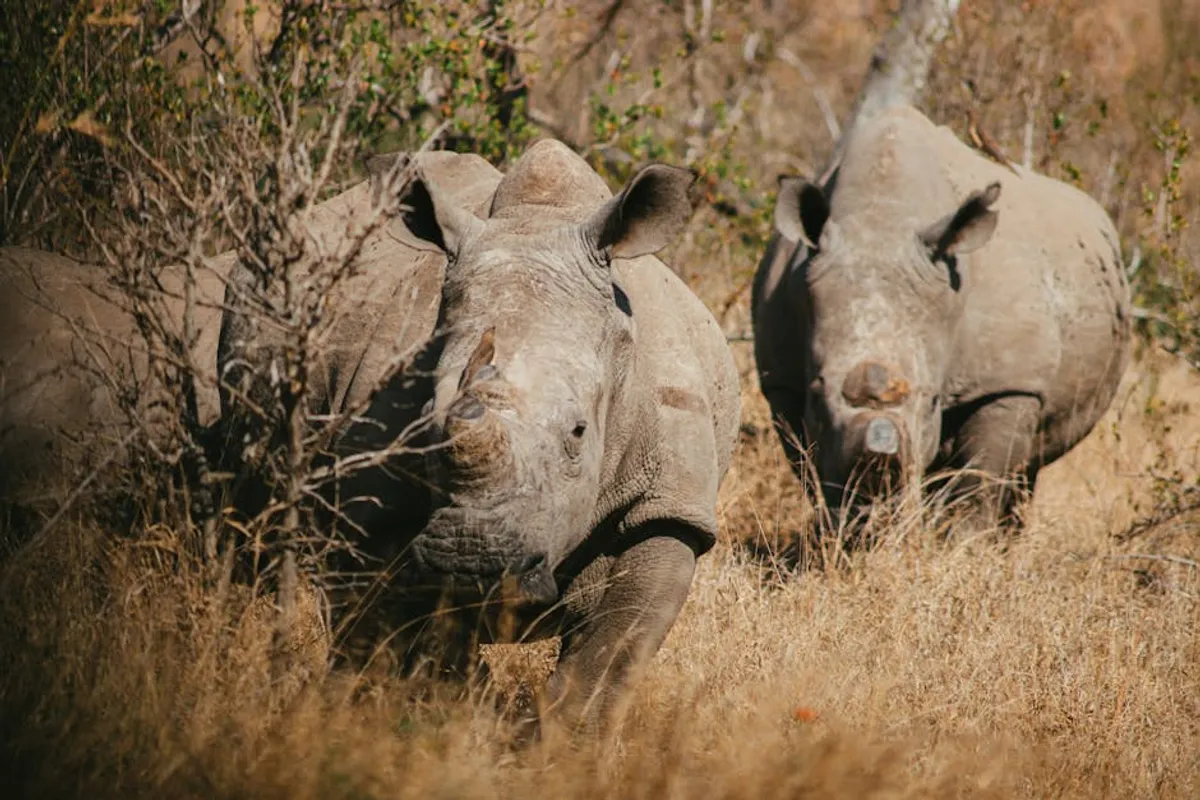
Engaging with wildlife conservation through travel and education offers a unique opportunity to contribute directly to global biodiversity efforts while gaining invaluable personal and professional insights. This guide is designed for individuals considering such experiences, providing a framework for evaluating programs, understanding their impact, and ensuring your participation genuinely supports conservation objectives. The decision to embark on a conservation journey requires careful consideration of program structure, ethical practices, financial commitment, and personal readiness. Understanding these elements upfront is crucial for maximizing both your contribution and your learning.
Understanding Wildlife Conservation Travel Modalities
Wildlife conservation travel encompasses several distinct approaches, each offering different levels of engagement and learning. Identifying the modality that aligns with your goals is the first step in selecting an appropriate program.
- Direct Conservation Volunteering: These programs involve active, hands-on participation in field projects. Tasks often include habitat restoration, species monitoring, data collection, anti-poaching support, or rehabilitation of injured wildlife. These experiences typically require a significant time commitment, ranging from a few weeks to several months, and may demand specific physical capabilities or a willingness to learn technical skills on-site.
- Ethical Eco-tourism: Focused on minimizing environmental impact and supporting local communities, ethical eco-tourism provides immersive experiences without direct volunteer work. Activities might include guided wildlife viewing, cultural exchanges, or staying in eco-lodges that fund conservation initiatives. The primary contribution here is financial, through responsible spending that benefits local economies and conservation projects, coupled with adherence to strict ethical viewing guidelines.
- Specialized Educational Expeditions: These are often academically oriented, led by researchers or experts, and designed for in-depth learning about specific ecosystems, species, or conservation challenges. Participants might attend lectures, engage in guided field studies, or contribute to citizen science projects. These expeditions are ideal for those seeking advanced knowledge or considering a career in conservation.
- Research Support Programs: Less common but highly impactful, these programs allow participants to directly assist ongoing scientific research. This could involve tracking animals, analyzing samples, or operating specialized equipment under expert supervision. Entry often requires specific academic backgrounds or demonstrated interest in scientific methodology.
Critical Considerations Before Committing to a Program
Before investing time and resources, a thorough evaluation of any prospective conservation travel or education program is essential. This due diligence ensures your efforts are both effective and ethically sound.
Vetting Organizational Authenticity and Impact
Scrutinize the operating organization's transparency and track record. Look for publicly available annual reports detailing how program fees and donations are allocated, specifically noting the percentage directly funding field conservation efforts versus administrative overhead. Verify affiliations with recognized international conservation bodies or academic institutions. Seek independent reviews and testimonials from past participants through third-party platforms, not just those curated on the organization's own website. A legitimate conservation organization will prioritize the welfare of wildlife and local communities over tourist experience alone.
Pro Tip: Be wary of programs that prioritize animal interaction over genuine conservation outcomes. Ethical wildlife conservation strictly limits human contact to avoid habituation, stress, or disease transmission. Programs offering extensive hands-on interaction with wild animals, especially cubs or exotic species, often signal a focus on entertainment rather than scientific or welfare-driven conservation.
Financial Transparency and Value
Understand the full cost breakdown. Program fees typically cover accommodation, food, in-country transport, project materials, and often a contribution to the conservation project itself. Clarify what is explicitly included and what additional expenses (flights, visas, personal insurance, vaccinations) you will incur. Compare costs across similar programs, but also weigh the value proposition: what specific training, experiences, and direct conservation contributions are you receiving for the investment?
Skill Requirements and Physical Demands
Assess your own capabilities against the program's requirements. Some projects demand specific skills (e.g., photography, data entry, language proficiency) or a high level of physical fitness for remote fieldwork. Be realistic about your comfort with basic living conditions, potential exposure to challenging environments, and the emotional resilience required for conservation work, which can sometimes be demanding.
Ethical Engagement with Local Communities
A truly responsible conservation program integrates and benefits local communities. Inquire about how the program engages local staff, contributes to local economies, and respects cultural norms. Sustainable conservation is often community-led; programs that bypass or exploit local populations undermine long-term success and ethical principles.
Maximizing Your Educational and Impactful Contribution
Once a program is selected, proactive engagement ensures a more profound experience and greater contribution.
Pre-Departure Preparation
Research the specific species, ecosystem, and conservation challenges you will encounter. Familiarize yourself with local customs, basic phrases of the local language, and any specific safety protocols. This preparation not only enhances your learning but also demonstrates respect and readiness to your hosts and fellow participants.
On-Site Engagement and Learning
Actively participate in all aspects of the program, ask thoughtful questions, and engage with local staff and experts. Be open to learning new skills and adapting to unexpected challenges. Document your experiences through journaling or photography, focusing on the conservation work and its context. Your willingness to learn and contribute directly impacts the project's success and your personal growth.
Post-Program Advocacy and Support
Your contribution doesn't end when you leave the field. Share your experiences responsibly, educating others about the importance of conservation and the realities of fieldwork. Support the organization through continued advocacy, fundraising, or by recommending ethical programs to others. Many organizations rely on alumni networks for ongoing support and awareness.
Strategic Planning for Your Conservation Journey
Choosing a wildlife conservation travel or education program is a significant decision. By prioritizing authentic impact, ethical operation, and personal readiness, you can ensure your journey is both personally enriching and genuinely beneficial to the planet's biodiversity.
Frequently Asked Questions
What is the typical duration for a conservation travel program?
Program durations vary widely, from short-term expeditions lasting a week or two, suitable for initial exposure, to long-term volunteer placements extending several months, offering deeper immersion and contribution. Some educational tours may be as brief as a few days.
Are specific skills or qualifications required to participate?
While many entry-level volunteer programs require no prior experience, focusing instead on enthusiasm and a willingness to learn, specialized educational or research expeditions may require academic backgrounds in biology, environmental science, or related fields. Always check specific program prerequisites.
How can I ensure my program fees directly support conservation?
Look for organizations that publish transparent financial reports, detailing the allocation of funds. Verify if they are registered charities or non-profits, and check for affiliations with reputable conservation networks. Direct questions about fund utilization during inquiry are also appropriate.
What level of physical fitness is generally expected?
Physical demands vary significantly. Some programs involve strenuous activities like hiking in rough terrain, carrying equipment, or long hours in challenging climates. Others are less physically demanding. Programs should clearly outline physical requirements, and it is important to be honest about your capabilities for safety and effective participation.