
Understanding the plight of endangered lemurs offers a critical window into global biodiversity challenges and the intricate dependencies within ecosystems. For curious readers, delving into specific facts about these unique primates reveals not just their individual characteristics, but also the broader narratives of habitat destruction, climate change, and the urgent need for conservation. This curated selection focuses on distinct aspects of endangered lemur species, highlighting their unique adaptations, the specific threats they face, and their ecological roles. Each entry provides concrete details, allowing for a deeper comprehension of why these particular facts are significant to both scientific study and conservation efforts. Understanding the plight of endangered lemurs offers a critical window into global biodiversity challenges and the intricate dependencies within ecosystems, especially concerning Madagascar wildlife.
Understanding Endangered Lemur Facts
When exploring facts about endangered lemurs, the emphasis shifts beyond mere description to understanding the implications for survival and conservation. A compelling fact about an endangered species often illuminates several key areas: unique evolutionary adaptations that make the species distinct, the specific ecological niche it occupies, the primary threats driving its decline, and the potential avenues for intervention. Readers should look for details that connect a lemur's biology to its environment, revealing how specialized diets, behaviors, or habitat requirements make certain species particularly vulnerable. Facts that highlight conservation challenges, such as fragmented habitats, poaching pressures, or limited genetic diversity, provide a realistic view of the effort required to protect these animals. Ultimately, the most valuable facts are those that foster an appreciation for lemur diversity while underscoring the urgency of their conservation status.
1. Aye-Aye's Specialized Foraging
The Aye-Aye (Daubentonia madagascariensis) stands out for its highly specialized foraging technique, a fact critical to understanding its unique evolutionary path and vulnerability. This nocturnal lemur uses its elongated, slender middle finger to tap on trees, listening for the echoes of insect larvae moving within. Once located, it gnaws a hole with its continuously growing incisors and extracts the grubs using the same specialized finger. This percussive foraging, unique among primates, makes the Aye-Aye an ecological equivalent to woodpeckers. Its solitary nature and unusual appearance have historically led to superstition and persecution in Madagascar, compounding threats from habitat destruction.
Best for: Illustrating extreme ecological specialization and the evolutionary pressures that drive unique adaptations in isolated environments.
Pros: Highlights a remarkable example of convergent evolution; showcases unique anatomical and behavioral adaptations; provides a strong narrative for public education on biodiversity.
Cons: Its nocturnal, elusive nature makes direct observation and comprehensive behavioral studies challenging, limiting data on population dynamics and social structures. Traditional beliefs in some regions lead to persecution, complicating conservation efforts.
Verdict: The Aye-Aye's foraging strategy is a prime example of evolutionary innovation, making it a crucial species for understanding primate diversity and the challenges faced by highly specialized animals in rapidly changing environments.
2. Greater Bamboo Lemur's Dietary Specialization
The Greater Bamboo Lemur (Prolemur simus) is critically endangered, largely due to its extreme dietary specialization. This species feeds almost exclusively on the woody pith of giant bamboo, specifically Cathariostachys madagascariensis. This diet is highly toxic, containing significant levels of cyanide, yet the Greater Bamboo Lemur has evolved a remarkable detoxification mechanism that allows it to consume quantities that would be lethal to most other animals. This specialization ties its survival directly to the availability of specific bamboo species, making it highly susceptible to habitat loss and climate-induced changes in bamboo growth cycles.
Best for: Understanding the risks associated with extreme dietary niche specialization and the complex physiological adaptations required to exploit toxic food sources.
Pros: Demonstrates remarkable physiological adaptation to a toxic diet; highlights the delicate balance of ecological dependencies; provides a clear case study for the impact of habitat loss on specialists.
Cons: Its reliance on a single food source makes it exceptionally vulnerable to environmental shifts or habitat destruction affecting bamboo populations. Its limited range and small population size make conservation efforts particularly challenging and costly.
Verdict: The Greater Bamboo Lemur exemplifies the evolutionary marvels and extreme vulnerabilities that arise from dietary specialization, serving as a critical indicator of forest health and the fragility of specialized ecosystems.
3. Blue-Eyed Black Lemur's Unique Eye Color
The Blue-Eyed Black Lemur (Eulemur flavifrons) is the only primate species other than humans to consistently have blue eyes. This striking genetic trait makes it instantly recognizable and a flagship species for conservation. Critically endangered, its habitat is restricted to a small, fragmented area of northwestern Madagascar. The species faces severe threats from deforestation for charcoal production, slash-and-burn agriculture, and illegal logging. Its unique appearance, while making it a conservation icon, also unfortunately makes it a target for the illegal pet trade, further exacerbating population declines.
Best for: Showcasing unique genetic traits within primates and their role as flagship species in conservation messaging.
Pros: Its distinctive blue eyes make it highly charismatic and effective for public engagement in conservation; serves as a clear example of extreme habitat fragmentation and its consequences; highlights the dual challenge of habitat loss and illegal trade.
Cons: The small, fragmented range makes it highly susceptible to localized disturbances and limits genetic diversity. Its appealing appearance increases its vulnerability to poaching for the exotic pet market.
Verdict: The Blue-Eyed Black Lemur's singular characteristic underscores the incredible diversity of life and the urgent need for targeted protection in increasingly fragmented habitats.
4. Silky Sifaka's Rainforest Dependence
The Silky Sifaka (Propithecus candidus), often called the "angel of the forest" due to its long, white fur, is one of the most critically endangered lemurs. It inhabits a very specific, limited range of humid, montane rainforests in northeastern Madagascar. Its survival is inextricably linked to the integrity of these pristine forest ecosystems, as it is a highly arboreal species that rarely descends to the ground. Threats include illegal logging for precious hardwoods like rosewood and ebony, as well as slash-and-burn agriculture encroaching on its remaining habitat. Its slow reproductive rate further hinders population recovery.
Best for: Understanding the direct link between highly specialized arboreal species and the health of specific rainforest ecosystems.
Pros: An iconic species for rainforest conservation, embodying the beauty and vulnerability of these habitats; illustrates the impact of illegal logging on specific, high-value forest products; highlights the challenges of slow reproduction in endangered species.
Cons: Its dependence on old-growth, undisturbed rainforest makes it extremely sensitive to any habitat degradation. The remote and rugged terrain of its habitat makes population monitoring and anti-poaching efforts difficult and resource-intensive.
Verdict: The Silky Sifaka's existence is a barometer for the health of Madagascar's most precious rainforests, making its conservation paramount for broader ecosystem protection.
5. Indri's Unique Vocalizations
The Indri (Indri indri) is the largest living lemur and is critically endangered. It is renowned for its haunting, melodious songs that can carry for over two kilometers through the rainforest. These complex vocalizations are used for territorial defense and group cohesion, acting as a unique form of primate communication. The Indri is also culturally significant, considered sacred by some Malagasy communities, which historically offered it a degree of protection. However, despite this cultural reverence, habitat destruction from logging and agriculture continues to threaten its existence in the eastern rainforests of Madagascar.
Best for: Exploring unique forms of primate communication and the interplay between cultural beliefs and conservation efforts.
Pros: Its distinctive calls offer a unique acoustic signature for ecological monitoring; cultural significance can be leveraged for community-based conservation; serves as a flagship for large-bodied primate conservation.
Cons: The species' reliance on undisturbed primary rainforests makes it highly sensitive to logging and fragmentation. Despite cultural protection, economic pressures often override traditional beliefs, leading to habitat loss.
Verdict: The Indri's powerful vocalizations and cultural importance make it a compelling symbol of Madagascar's biodiversity, highlighting the complex socio-ecological dimensions of conservation.
6. Red Ruffed Lemur's Role as Seed Disperser
The Red Ruffed Lemur (Varecia rubra) is critically endangered and plays a crucial ecological role as a primary seed disperser in the rainforests of Masoala National Park and the Makira Protected Area in northeastern Madagascar. These large, arboreal lemurs consume a wide variety of fruits and then disperse viable seeds over long distances through their feces. This process is vital for forest regeneration and maintaining plant diversity. Their decline directly impacts the health and resilience of the forest ecosystem, making them a keystone species for forest restoration efforts. Threats include habitat loss from illegal logging and hunting.
Best for: Understanding the critical ecological services provided by primates, specifically in seed dispersal and forest regeneration.
Pros: Clearly demonstrates a keystone species' role in ecosystem health; provides a strong argument for protecting large-bodied frugivores; highlights the interconnectedness of species within a forest.
Cons: Its large body size and loud calls make it more susceptible to hunting pressure. Its dependence on large, intact forest tracts means it is highly vulnerable to even localized deforestation.
Verdict: The Red Ruffed Lemur's essential role in seed dispersal underscores the cascading effects of species loss, making its conservation crucial for the long-term viability of Madagascar's rainforests.
7. Madame Berthe's Mouse Lemur's Tiny Stature
Madame Berthe's Mouse Lemur (Microcebus berthae) holds the distinction of being the world's smallest primate, weighing only about 30 grams. This critically endangered species lives in a tiny, fragmented dry deciduous forest in western Madagascar. Its diminutive size makes it highly vulnerable to predation and environmental changes. The fact that such a small creature can be a primate, with all the associated complex behaviors, is a testament to evolutionary diversity. Its habitat is under intense pressure from slash-and-burn agriculture and cattle grazing, leaving its already small population facing severe threats.
Best for: Highlighting the extreme range of primate size and the unique vulnerabilities associated with being the smallest in a group.
Pros: Its "smallest primate" status makes it a compelling subject for public interest and scientific study; illustrates the challenges of conserving species with extremely limited ranges; provides insight into the adaptations of nocturnal, insectivorous primates.
Cons: Its tiny size and nocturnal habits make it incredibly difficult to monitor and study in the wild, leading to data gaps. The small, fragmented habitat means it has little resilience to further environmental degradation.
Verdict: Madame Berthe's Mouse Lemur, despite its size, carries immense scientific significance, showcasing the incredible diversity of primate evolution and the severe threats facing species with restricted ranges.
8. Northern Sportive Lemur's Extreme Rarity
The Northern Sportive Lemur (Lepilemur septentrionalis) is one of the rarest and most critically endangered primates globally, with an estimated population of fewer than 50 individuals. Its entire range is restricted to a few isolated forest patches in northern Madagascar, primarily within the Montagne d'Ambre National Park and Daraina region. This nocturnal, folivorous lemur faces imminent extinction due to extreme habitat loss from illegal logging for charcoal and timber, as well as hunting. Its extreme rarity makes every individual crucial for the species' survival, demanding urgent and highly localized conservation interventions.
Best for: Emphasizing the critical status of species on the brink of extinction and the challenges of conserving ultra-rare populations.
Pros: Serves as a stark reminder of species facing imminent extinction; highlights the urgency of targeted, localized conservation efforts; provides a case study for the impact of rampant deforestation in specific, small regions.
Cons: The extremely low population size presents significant challenges for genetic viability and recovery. Its nocturnal, arboreal nature makes population surveys difficult and costly, leading to potential underestimation or overestimation of numbers.
Verdict: The Northern Sportive Lemur's precarious status underscores the dire consequences of unchecked habitat destruction, making its survival a test case for immediate and intensive conservation action.
9. Ring-tailed Lemur's Terrestrial Behavior
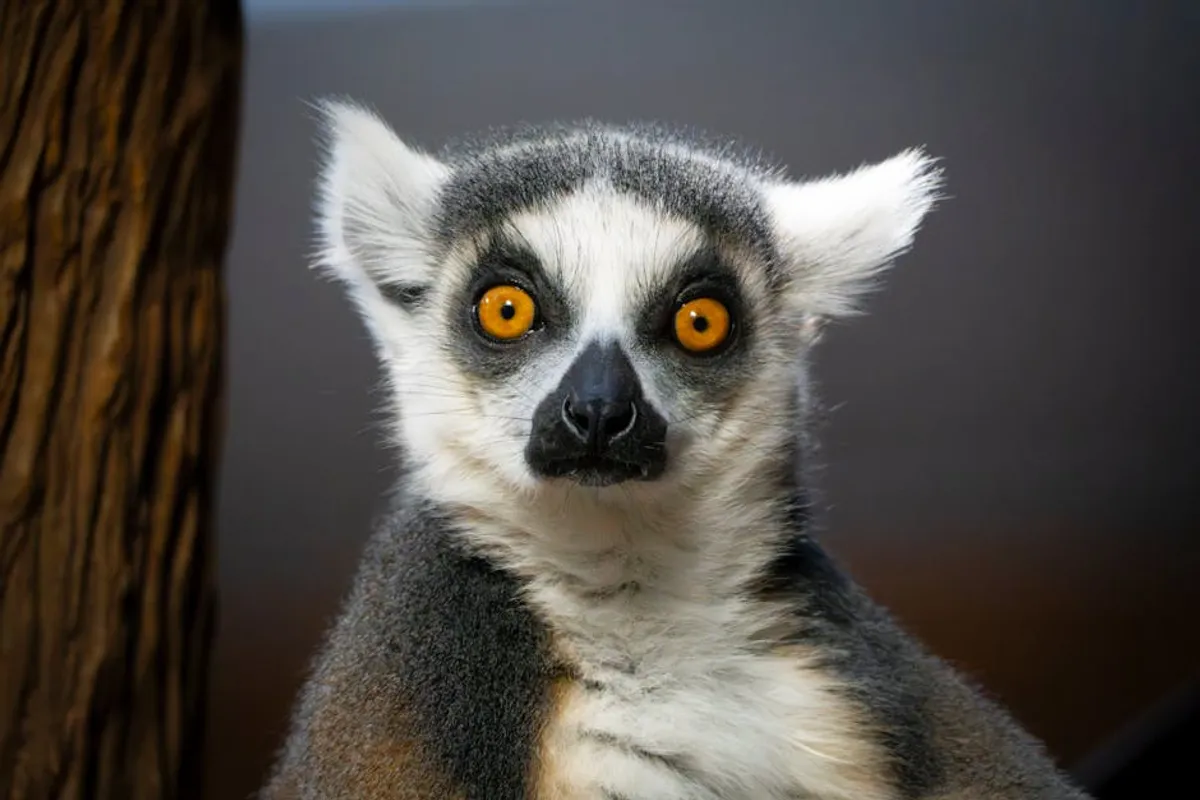
The Ring-tailed Lemur (Lemur catta), while iconic, is an endangered species facing significant population declines. Unlike many other lemurs that are predominantly arboreal, the Ring-tailed Lemur spends a substantial portion of its time on the ground, foraging for food and sunbathing. This semi-terrestrial behavior makes it particularly vulnerable to ground-based predators, habitat fragmentation, and human disturbance as its dry forest and spiny forest habitats are converted for agriculture and cattle grazing. Its large group sizes also mean that habitat loss impacts more individuals per event.
Best for: Understanding the impact of habitat fragmentation on semi-terrestrial primates and the challenges of conserving widely recognized species.
Pros: Its iconic status facilitates public engagement and awareness; its semi-terrestrial nature provides insights into adaptation across different forest strata; serves as a clear example of how even well-known species face severe threats.
Cons: Its ground-dwelling habits increase exposure to human activities and domestic animals, leading to disease transmission and predation. Habitat fragmentation disproportionately affects species that move between forest patches on the ground.
Verdict: The Ring-tailed Lemur's endangered status highlights that even charismatic and well-known species are not immune to the pressures of habitat loss and human encroachment, demanding comprehensive conservation strategies.
10. Diademed Sifaka's Size and Habitat Destruction
The Diademed Sifaka (Propithecus diadema) is one of the largest and most striking lemurs, adorned with a crown-like pattern of white, orange, and gray fur. Critically endangered, it inhabits the humid eastern rainforests of Madagascar. Its large body size requires extensive forest areas to support its diet of leaves, fruits, and seeds. This species is particularly threatened by large-scale habitat destruction driven by illegal logging for precious hardwoods, mining operations, and slash-and-burn agriculture. The slow reproductive rate of large sifakas further exacerbates their vulnerability to population decline.
Best for: Illustrating the impact of large-scale industrial activities (logging, mining) on large-bodied, habitat-dependent primates.
Pros: Its impressive size and appearance make it a powerful symbol for rainforest protection; highlights the extensive habitat requirements of large arboreal species; provides a clear link between industrial activities and species endangerment.
Cons: Its large size and reliance on extensive, intact forest make it highly susceptible to habitat fragmentation and degradation. The economic drivers behind logging and mining are powerful, making conservation efforts challenging against strong commercial interests.
Verdict: The Diademed Sifaka's plight is a direct consequence of large-scale resource exploitation, making its conservation a critical battleground for balancing economic development with biodiversity protection.
11. Coquerel's Sifaka's Leaping Locomotion
Coquerel's Sifaka (Propithecus coquereli) is an endangered lemur known for its distinctive vertical clinging and leaping locomotion, allowing it to traverse the dry deciduous forests of northwestern Madagascar with incredible agility. This specialized mode of movement is highly efficient for its arboreal lifestyle but relies on a continuous canopy. Habitat fragmentation, primarily from slash-and-burn agriculture and cattle grazing, disrupts this canopy, forcing sifakas to descend to the ground, where they are more vulnerable to predators and human interference. Their specific habitat type, dry deciduous forest, is also one of the most threatened ecosystems in Madagascar.
Best for: Understanding the biomechanics of primate locomotion and how habitat structure directly impacts species survival and behavior.
Pros: Its unique leaping behavior is captivating and helps engage public interest; illustrates the adaptive strategies for arboreal life in specific forest types; highlights the impact of canopy disruption on specialized arboreal species.
Cons: The reliance on continuous canopy makes it highly vulnerable to habitat fragmentation, as gaps in the forest force dangerous ground travel. Its dry forest habitat is particularly susceptible to fire, further reducing available resources.
Verdict: Coquerel's Sifaka exemplifies the intricate relationship between specialized locomotion, habitat structure, and the severe consequences of forest fragmentation on arboreal primates.
12. Black-and-White Ruffed Lemur's Arboreal Lifestyle
The Black-and-White Ruffed Lemur (Varecia variegata) is critically endangered and almost exclusively arboreal, spending nearly all its life high in the canopy of eastern rainforests. This highly arboreal lifestyle means it rarely, if ever, comes to the ground, making it extremely sensitive to any disruption of the forest canopy. They are also important pollinators and seed dispersers, playing a vital role in forest health. Threats include habitat loss from logging and slash-and-burn agriculture, as well as hunting. Their large size and diurnal habits make them relatively easy targets for poachers, despite their arboreal refuge.
Best for: Understanding the importance of intact forest canopy for highly arboreal species and their ecological contributions as pollinators and seed dispersers.
Pros: Highlights the critical importance of continuous canopy for specialized arboreal species; demonstrates the dual ecological role of pollination and seed dispersal; serves as an indicator species for rainforest integrity.
Cons: Its large size and diurnal activity make it more visible and vulnerable to hunting from above. Any canopy gaps or fragmentation can isolate populations, hindering gene flow and increasing vulnerability.
Verdict: The Black-and-White Ruffed Lemur's complete reliance on the forest canopy underscores the fragility of complex rainforest ecosystems and the multifaceted ecological roles played by its inhabitants.
Supporting Lemur Conservation Efforts
Engaging with facts about endangered lemurs moves beyond mere knowledge acquisition to informing actionable support for their conservation. The "right" information equips curious readers to make informed decisions about how to contribute. This can involve supporting reputable conservation organizations that work directly in Madagascar, focusing on habitat protection, anti-poaching initiatives, and community engagement. Understanding the specific threats, such as illegal logging, slash-and-burn agriculture, or the pet trade, allows for targeted advocacy. Additionally, supporting sustainable tourism in Madagascar can provide economic incentives for local communities to protect lemur habitats. The measure of