
Developing an authoritative guide for Madagascar wildlife travel and education requires a strategic approach to content, audience engagement, and commercial opportunity. This resource outlines foundational elements for creating a comprehensive guide that serves both the informational needs of travelers and educators, and the strategic objectives of content publishers. The focus remains on delivering specific, actionable insights for building a high-value content asset in a unique niche.
Audience Segmentation for Niche Travel Content
Effective content begins with a precise understanding of the target audience. For a Madagascar wildlife travel and education guide, several distinct segments emerge, each with unique information needs and commercial potential. Identifying these allows for tailored content development, optimizing for specific search intent and conversion pathways.
- Ecotourists and Adventure Travelers: This segment seeks detailed itineraries, species checklists, responsible tourism practices, and practical logistics for remote areas. They prioritize unique experiences, ethical operators, and often have higher disposable income for specialized tours.
- Researchers and Academics: Their interest lies in scientific accuracy, conservation initiatives, research opportunities, and specific biodiversity information. Content should include data sources, academic references, and contacts for local organizations.
- Educators and Students: This group requires curriculum-aligned materials, accessible explanations of ecological concepts, lesson plans, and visual aids. Focus on endemic species, evolutionary biology, and the impact of climate change.
- Families with Children: Content for families should emphasize safety, age-appropriate activities, engaging narratives about wildlife, and family-friendly accommodations. Practical advice on travel with children in a developing country is crucial.
- Conservation Donors and Advocates: These individuals are driven by impact and seek information on specific projects, success stories, and ways to contribute. Content should highlight conservation partners and measurable outcomes.
Commercial insight: Each segment represents a distinct opportunity for affiliate partnerships (e.g., specialized tour operators, academic publishers, educational supply companies) or direct lead generation for bespoke travel services.
Content Pillars for Educational Depth and Travel Utility
A robust guide integrates both educational components and practical travel information. Structuring content around key pillars ensures comprehensive coverage and establishes authority.
Endemic Species Spotlights and Biodiversity Context
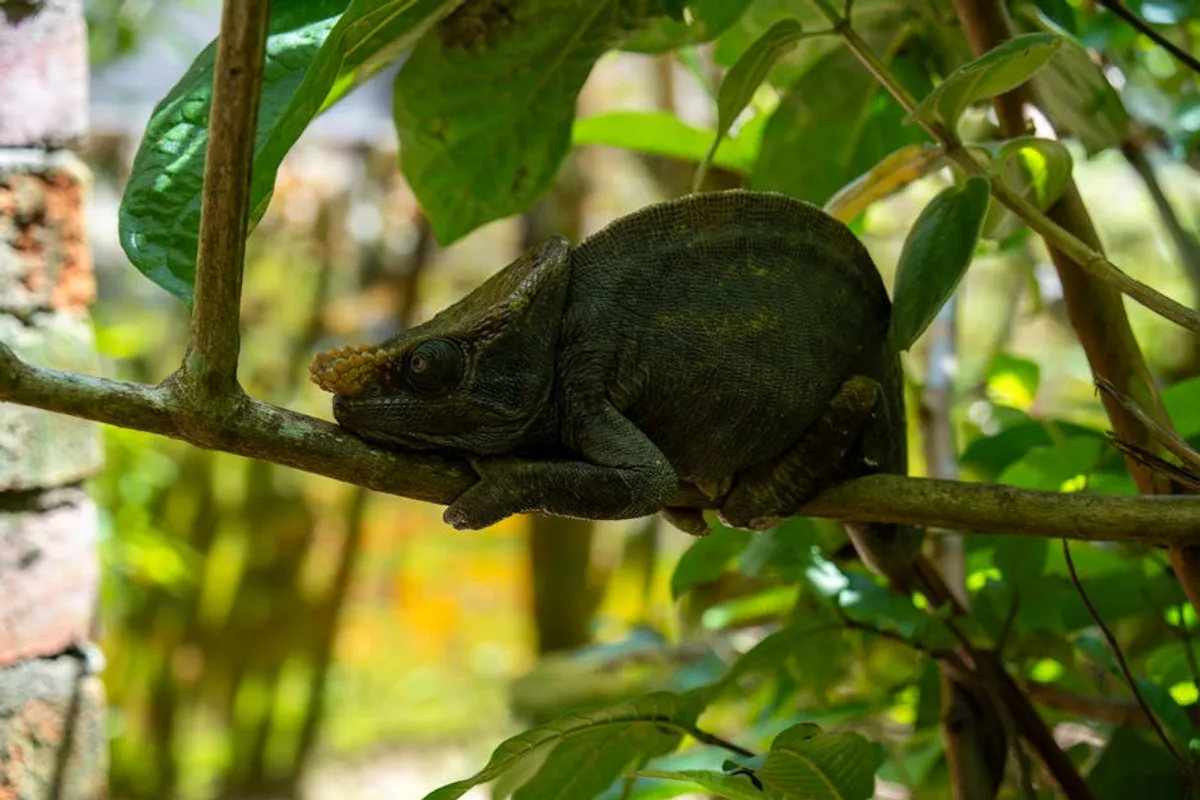
Madagascar's unique biodiversity is its primary draw. Content should feature in-depth profiles of endemic species, such as lemurs, fossa, chameleons, and baobab trees. Each profile should include scientific names, conservation status, habitat, behavior, and best viewing locations. Beyond individual species, explain the ecological processes that led to such high endemism, like island biogeography and adaptive radiation. This provides scientific grounding and differentiates the guide from generic travel blogs. To truly appreciate Madagascar's unique biodiversity, delve into the diverse lemur species that captivate visitors and scientists alike.
Conservation Challenges and Local Initiatives
Integrate content on the threats facing Madagascar's wildlife, including deforestation, climate change, and poaching. Crucially, highlight local conservation organizations, their projects, and how visitors can contribute ethically. This demonstrates a commitment to responsible tourism and provides valuable information for environmentally conscious travelers and potential donors. Include interviews with local conservationists or field researchers to add authenticity and expert voice.
Practical Travel Logistics and Responsible Tourism
Beyond wildlife, travelers need practical information. This includes visa requirements, health precautions (vaccinations, malaria prevention), local transport options, accommodation types (from eco-lodges to budget hotels), and cultural etiquette. Emphasize responsible tourism practices, such as minimizing environmental impact, supporting local communities, and respecting cultural norms. Provide clear guidelines on interacting with wildlife, ensuring minimal disturbance and safety for both animals and visitors.
Pro Tip: When developing content on sensitive topics like conservation or local customs, always fact-check with local experts or reputable NGOs. Misinformation can undermine the guide's authority and potentially harm local communities or conservation efforts. Prioritize accuracy and ethical representation above all else.
Monetization and Value Creation Strategies
A comprehensive guide can generate revenue through various channels, provided the content is high-quality and aligns with user intent.
Affiliate Partnerships and Direct Bookings
Partner with reputable tour operators specializing in Madagascar, eco-lodges, and local guides. Integrate affiliate links naturally within itineraries and accommodation recommendations. For educational content, consider partnerships with scientific equipment suppliers or publishers of relevant academic texts. Direct booking options for curated tours or educational programs can also be integrated, offering a seamless user experience and capturing commercial value.
Educational Resources and Digital Products
Develop downloadable educational resources such as species identification guides, lesson plans for teachers, or interactive maps. These can be offered for a fee or as lead magnets for email list building. High-resolution wildlife photography and videography, either licensed or sold as digital prints, represent another revenue stream, appealing to both educational institutions and enthusiasts.
Building Authority and Visibility
To ensure the guide reaches its intended audience, a focus on E-E-A-T (Experience, Expertise, Authoritativeness, and Trustworthiness) is paramount.
Content strategy: Publish consistently high-quality, research-backed articles. Include author bios highlighting relevant expertise (e.g., wildlife biologists, experienced tour guides, conservationists). Cite sources for scientific claims and conservation data. Ensure the content is regularly updated to reflect current travel advisories, conservation statuses, and research findings.
Technical optimization: Implement structured data markup (Schema.org) for articles, FAQs, and travel itineraries to enhance visibility in search results. Optimize for mobile devices, as many travelers research on the go. Ensure fast page load times and a secure browsing experience.
Practical Wrap-Up: Implementing Your Guide
Constructing a detailed guide for Madagascar wildlife travel and education is an ongoing process. Start by defining your core audience and their primary needs. Prioritize content pillars that offer both unique educational value and practical travel utility. Systematically build out species profiles, conservation narratives, and logistical advice. Continuously seek opportunities for ethical monetization through relevant partnerships and digital product offerings. Maintain a rigorous commitment to accuracy and responsible content creation to build and sustain trust with your audience.
Frequently Asked Questions
What is the most effective way to structure educational content within a travel guide?
Integrate educational sections directly into travel itineraries or location-specific guides. For instance, when discussing a national park, include details about its unique ecosystem, key endemic species found there, and the conservation challenges specific to that region. Use engaging narratives and high-quality visuals to make complex topics accessible.
How can a guide ensure its travel recommendations are responsible and ethical?
Prioritize partnerships with certified eco-tourism operators, lodges with strong community engagement programs, and local guides. Clearly outline responsible visitor behavior guidelines, such as maintaining distance from wildlife, not feeding animals, and respecting local cultures. Include information on how visitors' fees contribute directly to conservation or local development.
What are the key considerations for monetizing a niche travel and education guide?
Focus on high-value, relevant affiliate partnerships with specialized tour operators, accommodation providers, and educational resource suppliers. Consider creating premium digital products like detailed species guides or interactive maps. Ensure any commercial integration enhances the user experience and provides genuine value, rather than disrupting it.
How important is visual content for a wildlife travel guide?
Visual content is critical. High-quality photography and videography of wildlife, landscapes, and cultural experiences significantly enhance engagement and convey the unique appeal of Madagascar. Incorporate maps, infographics, and diagrams to illustrate complex ecological concepts or travel routes effectively.