
Understanding the critical role of animals in Madagascar's ecosystems is not merely an academic exercise; it represents a foundational element for anyone engaging with environmental content, sustainable tourism, or global biodiversity initiatives. For marketers, content strategists, and publishers, grasping this significance provides a unique lens through which to develop authoritative content, identify high-value audience segments, and articulate compelling narratives around conservation impact. The island's unparalleled biodiversity offers a distinct value proposition, driving interest from researchers, eco-tourists, and philanthropic organizations worldwide. Recognizing why these animals matter allows for the strategic alignment of content with global conservation priorities and the sustained engagement of a purpose-driven audience. For content creators, understanding the island's unique wildlife is key to developing engaging narratives about conservation efforts.
The Unique Biodiversity of Madagascar
Madagascar stands as a global biodiversity hotspot, primarily due to its long geological isolation. This separation from mainland Africa, which began over 160 million years ago, allowed for unique evolutionary pathways, resulting in an extraordinary concentration of species found nowhere else on Earth. This exceptionalism is not just a biological curiosity; it’s a core driver of conservation interest and a powerful narrative for engagement.
Endemism as a Core Value Proposition
Endemism refers to the ecological state of a species being unique to a defined geographic location, such as an island, nation, or other defined zone. In Madagascar, approximately 90% of its wildlife is endemic. This means that if a species is lost from Madagascar, it is lost from the entire planet. This high degree of endemism creates an urgent and compelling case for conservation efforts, making every species a critical component of global biodiversity. For content creators, highlighting this exclusivity underscores the irreplaceable nature of Madagascar's fauna, attracting audiences interested in rare, unique, and vulnerable natural heritage.
Key Animal Groups Driving Conservation Focus
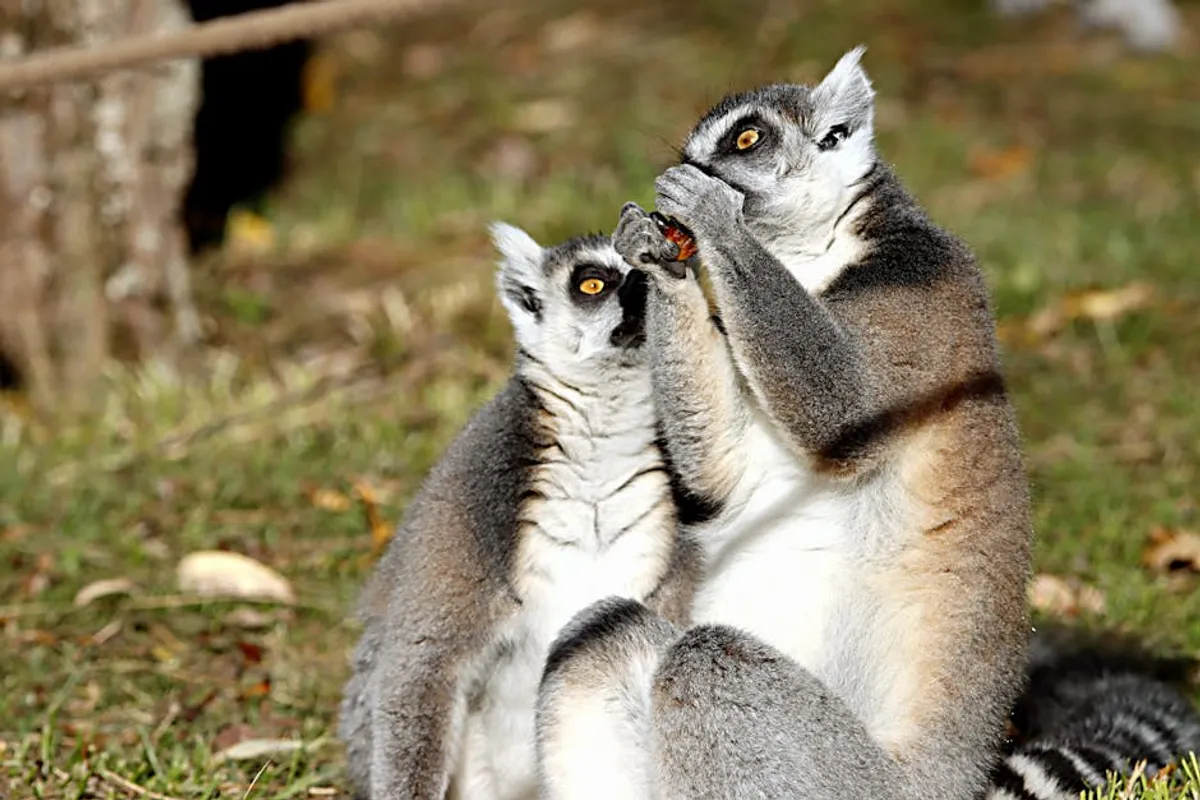
While Madagascar hosts an incredible array of life, certain animal groups have become emblematic of its biodiversity and conservation challenges. The island is home to over 100 species and subspecies of lemurs, all endemic, ranging from the tiny mouse lemur to the striking indri. These primates serve as flagship species, drawing significant international attention and research funding. Beyond lemurs, Madagascar is a haven for reptiles, including two-thirds of the world’s chameleon species, and unique predators like the fossa, a cat-like carnivore. Each group presents distinct ecological roles and faces specific threats, providing diverse angles for targeted content and advocacy campaigns.
Ecological and Economic Interdependencies
The importance of Madagascar’s animals extends beyond their intrinsic value. They are integral to the functioning of the island's ecosystems, providing services that sustain both nature and human populations. These ecological roles often translate into tangible economic benefits, particularly in sectors like tourism and sustainable resource management, making conservation a matter of economic stability as well as environmental preservation. This makes understanding why conservation in Madagascar matters vital for both ecological health and economic prosperity.
Ecosystem Services and Global Impact
Madagascar’s diverse animal populations play vital roles in maintaining healthy ecosystems. For example, lemurs, bats, and birds are crucial seed dispersers and pollinators, facilitating the regeneration of forests that regulate local climate, prevent soil erosion, and secure water resources. These forests also sequester carbon, contributing to global climate regulation. The health of these animal populations directly impacts the capacity of these ecosystems to provide such services, demonstrating a clear link between biodiversity and broader environmental stability. Communicating these connections helps audiences understand the far-reaching consequences of local conservation failures.
Tourism and Local Economies
The unique appeal of Madagascar’s wildlife is a primary driver for its eco-tourism sector. Visitors are drawn by the opportunity to see species found nowhere else, generating significant revenue that supports local communities and provides economic incentives for conservation. Local guides, park staff, artisans, and hospitality providers all benefit directly from this interest. Consequently, the protection of endemic animals is not just an environmental goal but a critical component of sustainable economic development for many Malagasy communities. Highlighting these economic ties can resonate with audiences interested in responsible travel and community-based conservation initiatives.
Pro Tip: When developing content around eco-tourism in Madagascar, emphasize the direct link between visitor spending and local conservation outcomes. Authentic narratives about how tourism revenue supports anti-poaching efforts, habitat restoration, or community education foster deeper engagement and encourage responsible travel choices. Avoid generic "visit beautiful places" messaging; instead, focus on the impact.
Strategic Imperatives for Conservation
Effective conservation in Madagascar requires a multi-faceted approach that addresses the root causes of biodiversity loss while empowering local communities and leveraging scientific understanding. These strategic imperatives are crucial for any organization or individual aiming to make a tangible impact or communicate effectively about conservation efforts.
Habitat Preservation and Restoration
The primary threat to Madagascar's animals is habitat loss, driven largely by deforestation for agriculture, charcoal production, and illegal logging. Therefore, protecting existing forest fragments and actively restoring degraded areas are paramount. This involves establishing and managing protected areas, implementing sustainable land-use practices, and securing land tenure for local communities. Content focusing on these efforts can highlight the tangible actions being taken to safeguard species.
Community Engagement and Sustainable Practices
Long-term conservation success in Madagascar is inextricably linked to the involvement and empowerment of local communities. Solutions that integrate local needs and traditional knowledge, such as promoting sustainable agriculture, developing alternative livelihoods, and fostering environmental education, are more likely to succeed. Engaging communities as partners, rather than just beneficiaries, ensures that conservation efforts are culturally appropriate and economically viable. This human element offers compelling storytelling opportunities for content creators.
Research and Monitoring for Data-Driven Decisions
Scientific research and continuous monitoring are essential for understanding population dynamics, species distribution, and the effectiveness of conservation interventions. This data informs adaptive management strategies and ensures resources are allocated efficiently. Key areas of focus include:
- Population censuses and trend analysis for endangered species.
- Ecological studies on species interactions and ecosystem health.
- Genetic research to understand biodiversity and inform breeding programs.
- Monitoring of habitat change using remote sensing and ground surveys.
Highlighting the scientific rigor behind conservation efforts builds trust and demonstrates accountability, appealing to audiences who value evidence-based approaches.
Practical Conservation Pathways
For those looking to engage with or support conservation in Madagascar, understanding the interconnectedness of its unique animals, ecosystems, and human communities is key. This knowledge informs effective content creation, strategic partnerships, and impactful advocacy. Focus on transparent, community-led initiatives that integrate scientific research with sustainable economic practices. By emphasizing the island's irreplaceable biodiversity and the tangible benefits of its preservation, you can connect with a global audience motivated by environmental stewardship and the protection of Earth's most extraordinary natural treasures.
Frequently Asked Questions
Why is Madagascar's wildlife so unique?
Madagascar's wildlife is unique primarily due to its extreme geological isolation. For millions of years, the island has been separated from other landmasses, allowing species to evolve in isolation, resulting in a high degree of endemism where most species are found nowhere else on Earth.
What are the biggest threats to animals in Madagascar?
The biggest threats include habitat loss and fragmentation, primarily driven by deforestation for subsistence agriculture (slash-and-burn farming), charcoal production, illegal logging, and mining. Climate change also poses a significant threat, altering habitats and affecting species distribution.
How do local communities benefit from wildlife conservation in Madagascar?
Local communities benefit through eco-tourism revenue, which provides jobs and supports local businesses. Conservation projects often involve community-based initiatives that promote sustainable livelihoods, environmental education, and improved resource management, directly contributing to local well-being and economic stability.
Can conservation efforts in Madagascar have a global impact?
Yes, conserving Madagascar's unique biodiversity has global implications. Many of its endemic species play crucial roles in maintaining healthy ecosystems, which provide essential services like carbon sequestration and climate regulation. Protecting these ecosystems contributes to global environmental stability and preserves irreplaceable genetic diversity.