
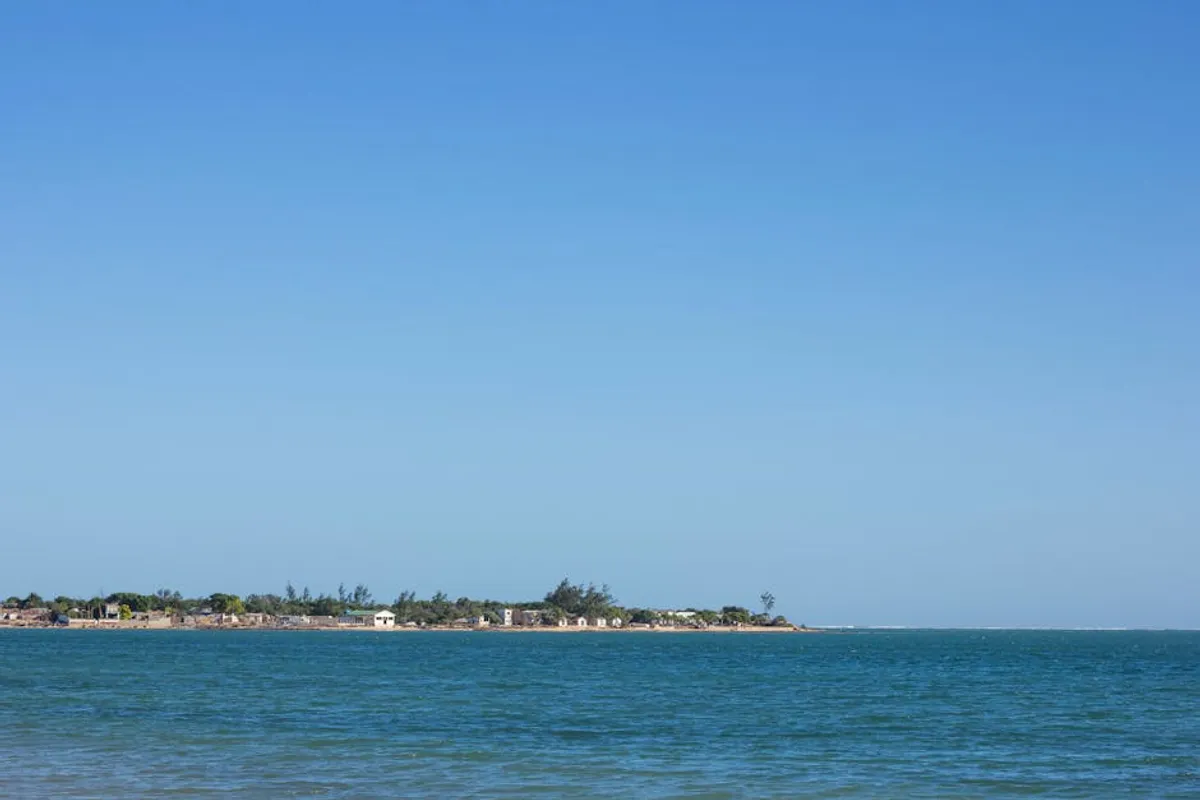
Understanding Madagascar requires a dive into its unique characteristics, which are not merely interesting anecdotes but foundational elements for any content strategy targeting the island nation. For SEO professionals, marketers, and content creators, these facts represent distinct opportunities for keyword targeting, audience segmentation, and the development of authoritative content. They highlight the island's unique selling propositions, potential travel niches, and the specific interests of readers planning a trip or simply curious about this distinct global destination. Leveraging these insights means moving beyond generic travel narratives to build content that resonates with specific informational and commercial intent, addressing the precise queries of an engaged audience. These details offer unique opportunities to discuss Madagascar's unique wildlife and its conservation challenges.
How to Leverage Madagascar Travel Facts for Content
When approaching Madagascar travel content, consider each fact not just as information, but as a potential anchor for an entire content cluster or a unique selling proposition. Evaluate how each detail can inform keyword research, identify underserved niches, or provide a fresh angle on common travel topics. Look for opportunities to connect historical context with modern tourism, ecological significance with sustainable travel trends, or cultural nuances with authentic visitor experiences. The goal is to transform raw data into actionable content strategies that capture specific audience segments and establish authority within the travel vertical.
1. Madagascar's Unique Biodiversity Hotspot
Madagascar is globally recognized for its exceptional biodiversity, with over 90% of its wildlife found nowhere else on Earth. This includes thousands of endemic species, from lemurs and fossa to chameleons and baobab trees. This biological isolation has fostered evolutionary paths distinct from continental landmasses, resulting in a living laboratory of natural history. The island's rich ecosystems range from rainforests and dry deciduous forests to spiny deserts and mangrove swamps, each supporting specialized flora and fauna.
Best for: Content targeting eco-tourism, wildlife photography, scientific research travel, conservation efforts, and nature documentaries. It appeals to audiences interested in unique natural phenomena and responsible travel.
Pros: High search interest for specific endemic species (e.g., "lemur species Madagascar"), strong visual content potential, appeals to niche audiences willing to pay for specialized experiences, offers compelling narratives around conservation and discovery.
Cons: Requires detailed scientific accuracy to avoid misinformation, potential for over-simplification of complex ecological issues, conservation messaging can be sensitive and requires careful framing to avoid "doom and gloom" narratives that deter travelers.
Verdict: An indispensable cornerstone for any Madagascar travel content. It provides endless hooks for engaging narratives, visual assets, and high-value keyword opportunities, particularly for nature-focused travel segments. It provides endless hooks for engaging narratives, visual assets, and high-value keyword opportunities, particularly for endangered lemur species.
2. The "Eighth Continent" Geological Separation
Madagascar separated from the Indian subcontinent approximately 88 million years ago, a geological event that predates the emergence of many modern mammalian groups. This long period of isolation is the primary driver behind its unique evolutionary trajectory. Its landmass is significantly larger than many island nations, leading to a greater diversity of habitats and species than smaller, more recent volcanic islands.
Best for: Content explaining the origins of Madagascar's biodiversity, geological tourism, and academic-focused travel. Useful for establishing the island's distinct identity beyond just its wildlife.
Pros: Provides a strong scientific foundation for the island's uniqueness, helps differentiate Madagascar from other tropical destinations, offers a compelling "origin story" for educational content, and supports keywords related to geology, paleontology, and biogeography.
Cons: Can be overly academic for a general travel audience if not framed accessibly, requires careful explanation to connect geological history to current travel experiences, may not directly drive immediate commercial conversions without further contextualization.
Verdict: Essential background information that elevates content from superficial observations to informed explanations. It provides depth and credibility, particularly for audiences seeking a deeper understanding of their travel destination.
3. Lemurs as Flagship Species
Lemurs, a primate group endemic to Madagascar, are arguably the island's most iconic animals. With over 100 known species and subspecies, they exhibit an astonishing variety in size, diet, and behavior, from the tiny Madame Berthe's mouse lemur to the striking indri. Their presence is a direct result of Madagascar's isolation, having diversified into numerous ecological niches in the absence of monkeys and apes.
Best for: Wildlife spotting tours, family travel with an educational focus, responsible tourism advocating for primate conservation, and general interest travel content leveraging widely recognized animal appeal.
Pros: High recognition factor and strong emotional appeal, excellent for visual content, drives significant search volume for "lemur tours" and specific species, offers opportunities for storytelling around conservation success and challenges, and appeals to a broad demographic.
Cons: Over-reliance can overshadow other unique aspects of Madagascar, potential for irresponsible tourism if not managed, requires careful messaging to ensure interactions are ethical and sustainable, and may lead to expectations of guaranteed sightings.
Verdict: A primary draw for many visitors, lemurs are a powerful content asset. Focus on ethical viewing, species diversity, and their ecological roles to create rich, responsible travel narratives.
4. The Baobab Avenues and Sacred Trees
Madagascar is home to six of the world's nine baobab species, with the iconic Avenue of the Baobabs near Morondava being a prime example. These ancient, majestic trees are not only visually striking but also hold significant cultural and spiritual importance for local communities. They are often considered sacred, used in traditional medicine, and feature prominently in folklore.
Best for: Landscape photography tours, cultural immersion experiences, spiritual tourism, and content highlighting natural landmarks and traditional beliefs. Appeals to travelers seeking iconic photo opportunities and cultural depth.
Pros: Highly photogenic and visually distinctive, generates strong interest for "Avenue of the Baobabs" keywords, offers opportunities to integrate cultural and ecological narratives, and provides a unique visual identity for the destination.
Cons: The Avenue can become crowded, requiring advice on best visiting times; cultural sensitivity is crucial when discussing sacred aspects; limited to specific regions of the island, so not universally applicable to all travel itineraries.
Verdict: A powerful visual and cultural icon. Content should balance photographic appeal with respect for local traditions and provide practical tips for visiting, appealing to both aesthetic and cultural interests.
5. Rich Malagasy Cultural Heritage and Austronesian Roots
Unlike mainland Africa, Madagascar's population has a unique genetic and cultural heritage, primarily tracing back to Austronesian voyagers from Southeast Asia (specifically Borneo) who arrived between 350 and 550 AD, followed by later migrations from East Africa. This blend is reflected in the Malagasy language, traditional architecture, agricultural practices (like rice cultivation), and funerary customs, which exhibit strong Southeast Asian influences alongside African elements.
Best for: Cultural tourism, anthropological studies, genealogical travel, and content exploring unique cultural fusions. Appeals to travelers interested in history, linguistics, and diverse human experiences.
Pros: Offers a truly distinct cultural experience compared to other African destinations, opens up content opportunities around history, linguistics, and traditional arts, provides a unique angle for cultural exchange programs, and supports keywords related to Malagasy culture, history, and ethnic groups.
Cons: Requires careful research to accurately represent diverse cultural practices across different ethnic groups within Madagascar, potential for misinterpretation or exoticization if not handled respectfully, and can be complex to explain concisely.
Verdict: A profound differentiator. Content that explores Malagasy culture with depth and respect will attract discerning travelers seeking authentic experiences and historical understanding, moving beyond superficial observations.
6. Vanilla Capital of the World
Madagascar is the world's leading producer of vanilla, accounting for over 80% of global supply. The Sava region in the northeast is the heart of this industry. The labor-intensive process of hand-pollinating vanilla orchids, curing, and drying the beans is a significant part of the local economy and cultural fabric. This agricultural dominance has shaped local communities and trade routes.
Best for: Culinary tourism, agricultural tours, ethical sourcing content, and economic impact studies. Appeals to foodies, those interested in sustainable trade, and travelers seeking unique local industries.
Pros: Offers tangible, sensory experiences for travelers (e.g., vanilla farm visits, culinary workshops), provides a strong commercial angle for content on ethical sourcing and local economies, supports keywords related to "Madagascar vanilla," "spice tours," and "sustainable agriculture."
Cons: Vanilla prices are volatile, which can impact local livelihoods and tourism; requires careful framing to avoid romanticizing potentially arduous labor conditions; limited to specific regions, requiring targeted itinerary planning.
Verdict: A commercially viable and culturally rich topic. Content can explore the journey from farm to table, the economic importance, and the artisanal craft, appealing to a broad audience interested in food, culture, and responsible consumption.
7. The Tsingy Limestone Karst Formations
The Tsingy de Bemaraha Strict Nature Reserve and National Park, a UNESCO World Heritage site, features dramatic limestone karst pinnacles that form an otherworldly "forest" of sharp, razor-like rocks. These formations, created by millions of years of erosion, are home to unique micro-ecosystems and specialized wildlife adapted to this challenging environment. The word "Tsingy" refers to the Malagasy term for "where one cannot walk barefoot."
Best for: Adventure travel, geological interest, unique landscape photography, and content for thrill-seekers. Appeals to travelers looking for physically engaging and visually spectacular destinations.
Pros: Highly distinctive and visually impactful, excellent for generating interest and social media engagement, offers unique adventure activities like via ferrata and canopy walks, and supports keywords related to "Tsingy," "limestone formations," and "adventure travel Madagascar."
Cons: Access can be challenging due to rough roads and seasonal closures (wet season); requires physical fitness and specialized equipment; safety considerations must be emphasized, which can deter some travelers.
Verdict: A niche but high-impact destination. Content should highlight the adventure aspect, safety precautions, and the geological marvel, attracting a specific segment of active and adventurous travelers.
8. Traditional Fady (Taboos) and Ancestor Worship
Fady, or traditional taboos, are an integral part of Malagasy life, governing behavior, interactions with nature, and daily routines. These vary significantly by region and ethnic group but are deeply rooted in ancestor worship (razana), which is a central aspect of Malagasy spiritual belief. Respect for ancestors and adherence to fady are paramount, influencing everything from burial rites to forest conservation.
Best for: Cultural immersion tours, anthropological content, responsible tourism guidelines, and content exploring unique belief systems. Appeals to travelers interested in deep cultural understanding and ethical engagement.
Pros: Provides profound insights into local culture and values, essential for respectful travel, offers unique storytelling opportunities around traditions and spirituality, and helps travelers engage more authentically with communities.
Cons: Can be complex and vary greatly, making it difficult to cover comprehensively; requires careful explanation to avoid misrepresentation or trivialization; overemphasis could make the culture seem overly restrictive to tourists.
Verdict: Crucial for responsible travel content. Explaining fady and ancestor worship fosters respect and deeper engagement, positioning content as authoritative and culturally sensitive, attracting mindful travelers.
9. Rice as a Staple and Cultural Symbol
Rice (vary) is the cornerstone of the Malagasy diet and holds immense cultural significance, far beyond mere sustenance. It is consumed at nearly every meal, and its cultivation shapes landscapes, social structures, and daily rhythms. The Malagasy word for "to eat" is "mihina vary," literally "to eat rice." Traditional rice paddies are a common sight, reflecting centuries-old agricultural practices.
Best for: Culinary tours, agro-tourism, cultural immersion, and content exploring daily life and food traditions. Appeals to foodies, those interested in sustainable agriculture, and travelers seeking authentic local experiences.
Pros: Offers a tangible connection to daily Malagasy life, excellent for culinary content and cooking classes, provides insights into local economy and traditional practices, and supports keywords related to Malagasy food, agriculture, and local life.
Cons: Can be seen as too mundane for some adventure-focused travelers; requires contextualization to highlight its cultural depth beyond just a food item; food security issues related to rice production can be a sensitive topic.
Verdict: A foundational element for understanding Malagasy daily life and culture. Content exploring rice cultivation, preparation, and its role in society offers an authentic and accessible entry point into the local way of life.
10. The Perilous State of Madagascar's Forests
Despite its incredible biodiversity, Madagascar faces severe environmental threats, primarily deforestation driven by slash-and-burn agriculture (tavy), charcoal production, and illegal logging. Over 90% of its original forests have been lost, leading to soil erosion, desertification, and habitat destruction for its endemic species. Conservation efforts are ongoing but face significant challenges.
Best for: Responsible tourism advocacy, conservation volunteer programs, educational content on environmental issues, and sustainable travel initiatives. Appeals to environmentally conscious travelers and those interested in making a positive impact.
Pros: Highlights the urgency of sustainable travel, offers opportunities for content on eco-lodges and conservation projects, appeals to a growing segment of ethical travelers, and supports keywords related to "Madagascar conservation," "eco-tourism," and "sustainable travel."
Cons: Can be a somber topic that might deter some travelers seeking purely leisure experiences; requires careful balancing of awareness with positive solutions; potential for "greenwashing" if not backed by verifiable information.
Verdict: A critical but sensitive topic. Content should educate travelers on environmental challenges while showcasing how responsible tourism can be part of the solution, attracting those who seek meaningful travel experiences.
11. Unique Traditional Music and Dance
Malagasy music and dance are vibrant expressions of the island's diverse cultural heritage, reflecting both Austronesian and African influences. Genres like salegy (from the northwest), sega (from the east), and valiha (a tube zither, the national instrument) are distinct and often accompany celebrations, rituals, and daily life. Dance forms are equally varied, telling stories and conveying social messages.
Best for: Cultural tours, festival attendance, music and arts travel, and content highlighting traditional performances. Appeals to travelers interested in performing arts, local celebrations, and authentic cultural experiences.
Pros: Offers lively and engaging content opportunities, provides a sensory experience for visitors, can be integrated into cultural immersion programs, and supports keywords related to "Malagasy music," "traditional dance," and "cultural festivals."
Cons: Access to authentic performances might require local guidance; recordings or live events may not always be readily available for casual tourists; requires careful explanation to convey the cultural context and significance of different forms.
Verdict: A dynamic aspect of Malagasy culture. Content can showcase the diversity of musical styles and dances, encouraging travelers to seek out local performances and engage with the island's artistic heritage.
12. The Island's Geographical Diversity and Climates
Madagascar's elongated shape and varied topography result in a remarkable range of climates and geographical features. The east coast is characterized by rainforests and a humid tropical climate, while the central highlands are cooler and more temperate. The south and west are dominated by dry deciduous forests, spiny thickets, and semi-arid conditions. This diversity creates distinct travel experiences within one country.
Best for: Itinerary planning, regional travel guides, adventure tourism (hiking, trekking), and content comparing different ecological zones. Appeals to travelers seeking varied experiences within a single destination.
Pros: Allows for highly customizable and diverse travel itineraries, provides opportunities for content comparing different regions and their unique attractions, supports keywords related to "Madagascar regions," "climate zones," and "diverse landscapes."
Cons: Requires travelers to plan carefully due to varying road conditions and travel times between regions; can be challenging for first-time visitors to navigate the logistical complexities of multi-region trips; weather can vary significantly, impacting travel plans.
Verdict: A key factor for designing comprehensive travel content. Highlighting the geographical diversity helps travelers understand the scope of experiences available and plan more effectively, appealing to those seeking varied adventures.
Choosing the Right Angle for Madagascar Content
When developing content around Madagascar, the most effective approach involves identifying specific reader intent and aligning facts with commercial utility. For an SEO professional, this means recognizing that a fact like "Madagascar's Unique Biodiversity" isn't just trivia; it's a gateway to high-volume keywords like "Madagascar wildlife tours," "lemur safaris," or "endemic species conservation." Similarly, "Vanilla Capital of the World" leads to "Madagascar vanilla farms," "spice tours," and "ethical vanilla sourcing." The decision process involves analyzing keyword difficulty, search volume, and the potential for conversion. Prioritize facts that resonate with both broad interest and niche commercial opportunities, ensuring content is both informative and strategically valuable.
FAQ Section
Q: What makes Madagascar's wildlife so unique?
A: Madagascar's long geological isolation, having separated from other landmasses millions of years ago, allowed its flora and fauna to evolve independently, resulting in an exceptionally high rate of endemism, meaning most species are found nowhere else on Earth.
Q: Is Madagascar a safe travel destination?
A: Like any travel destination, Madagascar has areas that are safer than others. Major tourist routes and national parks are generally safe, but it's advisable to stay informed about local conditions, travel with reputable operators, and take standard precautions against petty crime, particularly in urban areas.
Q: What is the best time of year to visit Madagascar?
A: The dry season, from April to October, is generally considered the best time to visit, offering pleasant weather and easier access to national parks and remote areas. The wet season (November to March) can bring heavy rains, making some roads impassable and increasing humidity.
Q: What currency is used in Madagascar?
A: The local currency is the Malagasy Ariary (MGA). While some larger hotels and tour operators might accept Euros or US Dollars, it's essential to have local currency for daily expenses, markets, and smaller establishments.
Q: How can travelers contribute to conservation efforts in Madagascar?
A: Travelers can contribute by choosing eco-friendly tour operators and accommodations, supporting local communities through responsible tourism, respecting wildlife and natural habitats, and considering donations to reputable conservation organizations working on the island.