
How to Learn About Madagascar Wildlife Responsibly
Learn how to responsibly research Madagascar's unique wildlife, prioritizing credible sources and ethical information gathering for accurate content creation.
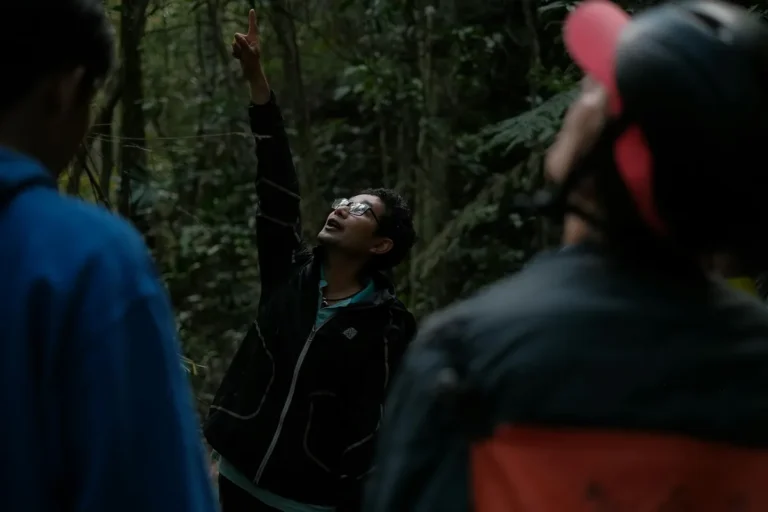
Andry is a field biologist who has spent the past decade conducting direct observation work on lemur species across Madagascar, primarily in the eastern rainforest corridor between Andasibe-Mantadia and Ranomafana national parks but with extended fieldwork in the western dry forests and the southern spiny forest as well. The writing here is research-grounded rather than promotional. The aim is to explain what direct observation and the published literature have established about specific lemur species, the habitats they depend on, and the conservation questions that will determine whether the species survive the coming decades. Field notes appear alongside literature synthesis. Methodology is named when it matters. Citations follow the conservation-biology convention rather than the ecotourism brochure convention.
Page 6 of 7 75 articles total
Learn how to responsibly research Madagascar's unique wildlife, prioritizing credible sources and ethical information gathering for accurate content creation.
Explore surprising, unique Madagascar wildlife facts, from the aye-aye's specialized finger to the fossa's predatory prowess.
Discover Madagascar's unparalleled wildlife with this beginner's guide, covering unique ecosystems, key species, planning tips, and responsible tourism.
Lemurs of Madagascar are critical for conservation due to their unique ecological roles, significant economic impact through ecotourism, and immense scientific.
This guide details how to plan an ethical, educational trip to Madagascar, focusing on responsible lemur tourism, conservation, and practical travel advice.
Learn how to research lemurs of Madagascar responsibly, ensuring accuracy and ethical representation for impactful content creation and conservation support.
Explore 12 essential facts about Madagascar's unique lemurs, covering their diversity, evolution, social structures, and critical conservation status.
This beginner's guide explores the unique lemur species found exclusively on Madagascar, detailing their characteristics, habitats, and critical conservation.
The Aye-Aye (Daubentonia madagascariensis) is the only living member of its family and one of the most behaviorally distinctive primates. The research…
Tourism is a substantial economic input to Madagascar's protected area system and a documented potential stressor for lemur populations. The research on…
The mouse lemur genus (Microcebus) has expanded from approximately three recognized species in the year 2000 to over twenty-five species today. The…
The eastern rainforest of Madagascar runs roughly along the eastern escarpment from the south to the northeast and supports the highest diversity…